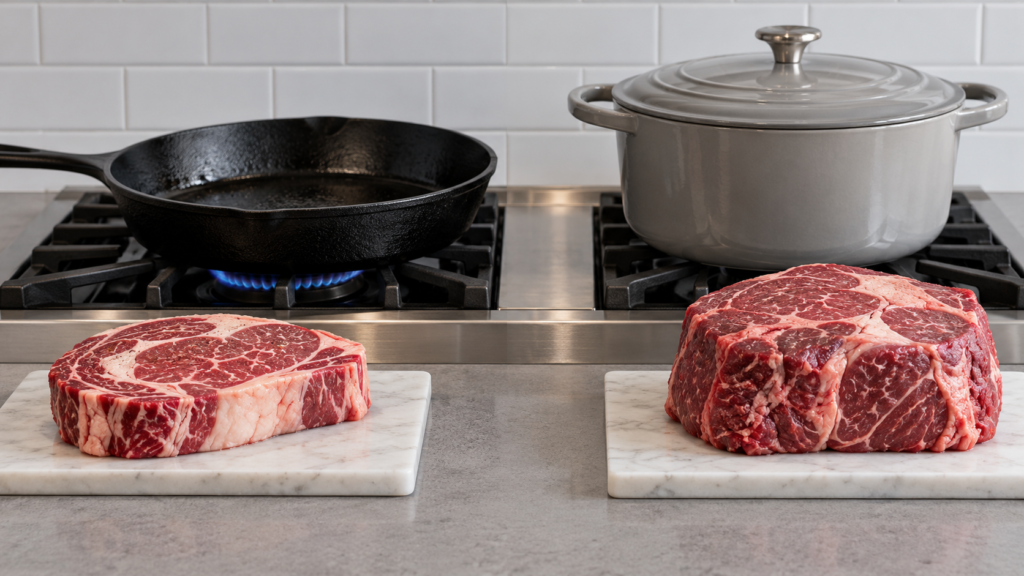
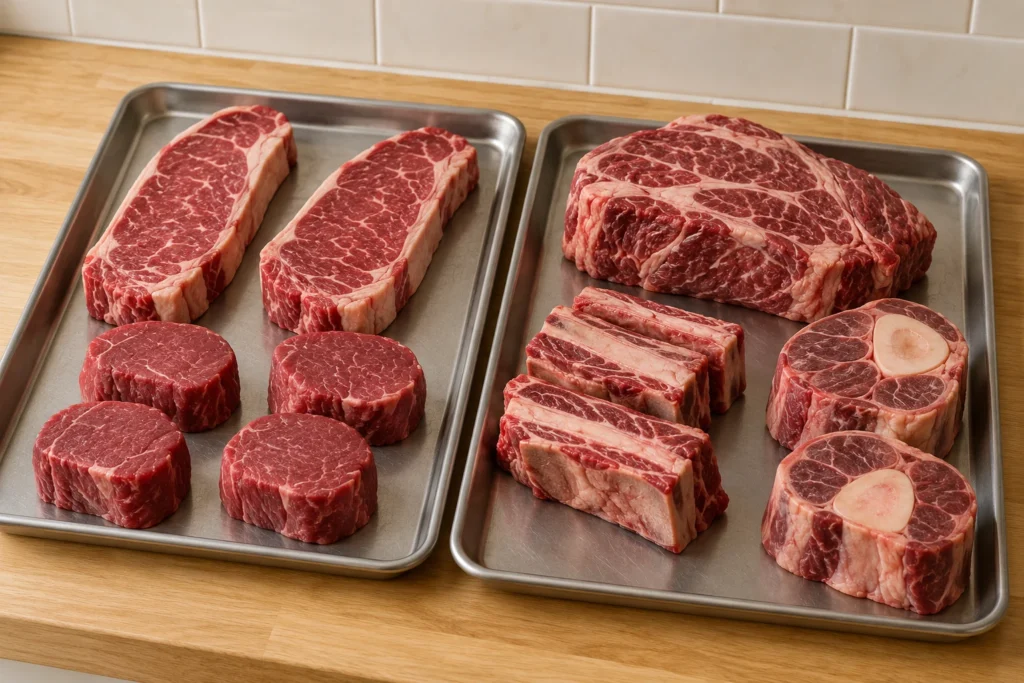
Beef splits cleanly into two different jobs, and most beef mistakes come from applying one job’s technique to a cut that actually needed the other. Tender, well-marbled cuts want speed: a hard sear that browns the outside before the inside has a chance to overcook. Tough, collagen-heavy cuts want the opposite: hours of low, patient heat that slowly converts that connective tissue into something soft. Everything in this category falls into one camp or the other, plus a buying layer that determines which cut and which grade actually showed up in the first place.
That fat and connective-tissue divide isn’t a loose rule of thumb; it’s the actual reason the same oven or the same pan can produce a perfect result on one cut and a disappointing one on another cooked exactly the same way. A ribeye’s intramuscular fat renders fast and bastes the muscle from the inside, which is why high heat works. A chuck roast’s collagen needs hours above a specific temperature threshold to convert into gelatin at all, a chemical process that simply doesn’t happen faster no matter how hot the oven runs. Knowing which category a cut falls into before picking a technique prevents most of the mistakes covered across this entire site.
Fast cuts: searing without the grey band
Getting a real crust on a steak and reverse sear or hot and fast are the two foundational posts for this entire group, covering the actual mechanics of browning and the two legitimate ways to get a thick steak from raw to rested without a grey ring of overdone meat surrounding a cold center. Reverse-seared ribeye with tallow butter and pan-seared New York strip with beef fat baste both apply that foundational technique to a specific premium cut and a specific fat. Cast-iron flank steak takes the same searing logic to a leaner, thinner cut that behaves differently from a thick ribeye and needs its own adjustment.

Slow cuts: where the real transformation happens
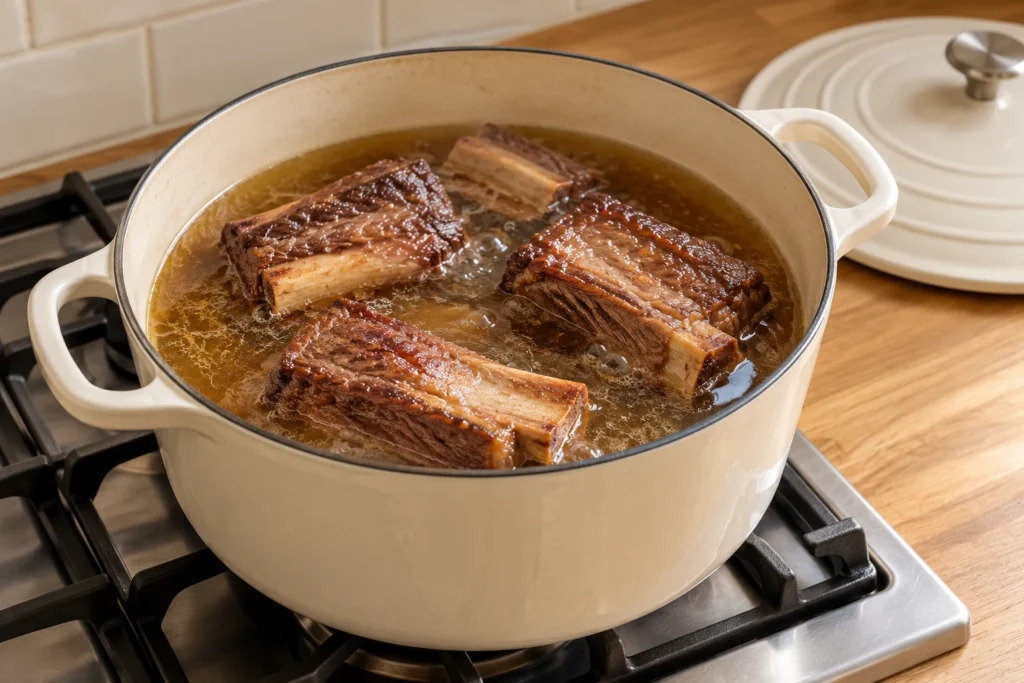
Chuck, brisket, or short rib: how to choose a braising cut is the starting point for this entire half of the category, explaining what actually separates these tough, inexpensive cuts and why they all respond to the same underlying low-and-slow logic. Slow-braised beef short ribs and beef chuck pot roast in bone broth both put that selection guidance into practice with specific, moist-heat techniques.
Bigger formats: roasts, ribs, and whole cuts
Whole beef tenderloin roast covers the specific logistics of cooking an entire large, tender roast evenly, a genuinely different challenge from a single steak even though the underlying fat and doneness principles carry over. Grilled beef back ribs sits in its own space between the fast and slow camps, a cut with enough fat and connective tissue to reward patience but still built around direct grill heat rather than a long braise.
Smoke: the slowest cut on this site, treated properly
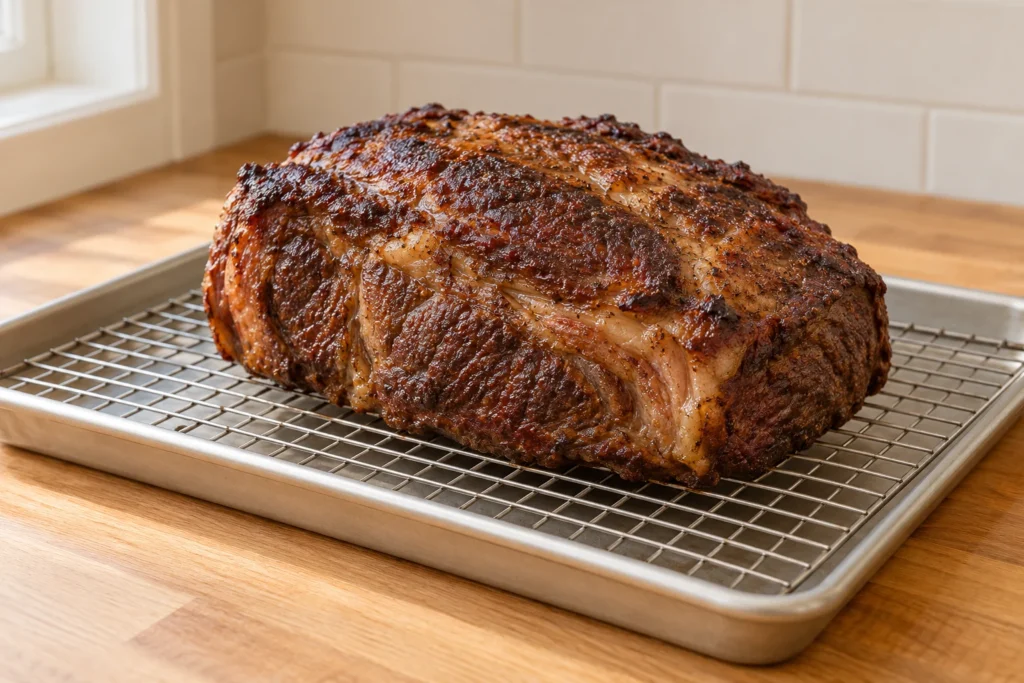
Smoked brisket: temperature and time, not guesswork is the full technique explainer for this site’s longest, most demanding cook, covering the stall, the wrap decision, and why probe feel matters more than any single number. Smoked beef brisket, point and flat is the companion step-by-step recipe-card version of the same cook, built for following along rather than understanding the reasoning behind each step. Read both; they’re meant to work together, not duplicate each other.
Buying and sourcing: where a lot of the real value gets decided
Grass-fed vs. grain-fed beef and USDA beef grades explained both decode label claims that get treated as simple quality rankings when they’re actually measuring narrower things: finishing diet in one case, marbling and maturity in the other. Dry-aged vs. wet-aged beef explains a premium that’s frequently misread as pure markup when most of it is real, unavoidable weight loss during the aging process. Buying meat in bulk is the logical next step for anyone who’s settled into cooking beef regularly and is ready to consider the economics of a quarter or half cow share.
Matching cut to method before picking a specific post
| Cut type | Right approach | Start here |
|---|---|---|
| Ribeye, strip, tenderloin, flank | Fast, direct heat | Getting a real crust on a steak |
| Chuck, short rib, brisket for braising | Low, slow, moist heat | Chuck, brisket, or short rib |
| Brisket for smoking specifically | Low, slow, dry heat with real smoke | Smoked brisket: temperature and time |
| Whole roasts | Even, usually moderate heat scaled to size | Whole beef tenderloin roast |
Mistakes that show up across nearly every cut in this category
- Applying fast-cut technique to a slow cut, or the reverse. A quick sear on a tough chuck roast leaves it chewy no matter how good the crust looks; hours of low heat on a ribeye wastes a cut that never needed it.
- Skipping the rest on anything thick. The thicker the cut, the more moisture is actually at stake if it gets sliced immediately off the heat.
- Assuming a higher grade or a dry-aged label always means a better result. Grade and aging matter most on quick-sear cuts; they matter far less on anything headed into a long braise, where the cooking method does most of the real work.
- Not asking questions at the counter. Grass-fed, grade, and aging claims are all worth verifying directly rather than trusting the label alone.
Where to start
Anyone new to cooking beef with any real confidence should start with the crust and reverse-sear posts: those two cover the fundamentals that every fast-cut recipe in this category assumes already. Anyone working with a cheap, tough cut should start with the braising-cut selection guide instead, since picking the right cut for a slow cook matters more than any specific recipe that follows. The buying and sourcing posts are worth reading right before an actual purchase, when a specific label or price difference needs a real answer rather than a guess.

This is a technique overview, not a food-safety substitute. Always cook beef to a safe internal temperature or to the doneness level covered in the individual posts linked above, using a reliable thermometer.
Visual steps