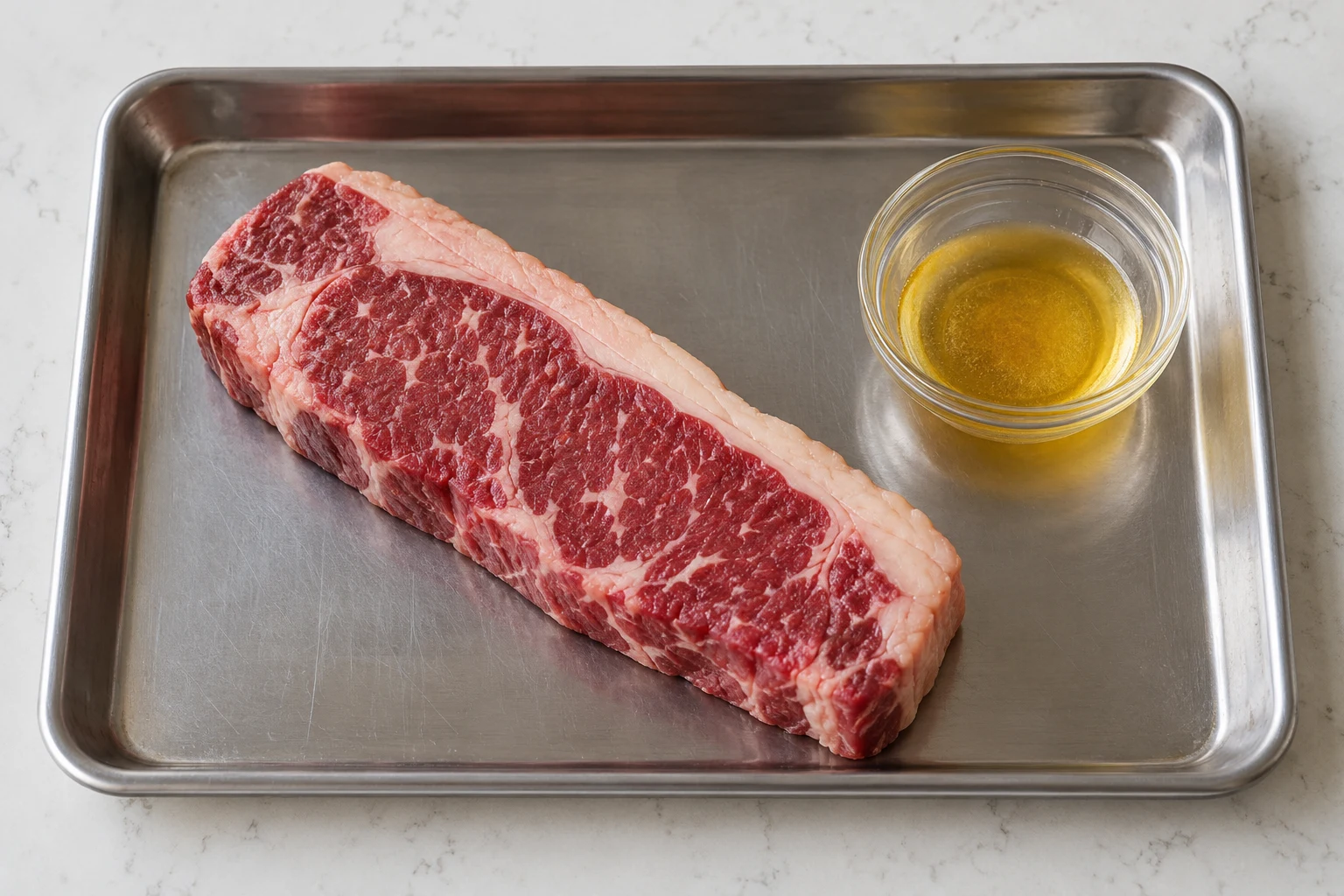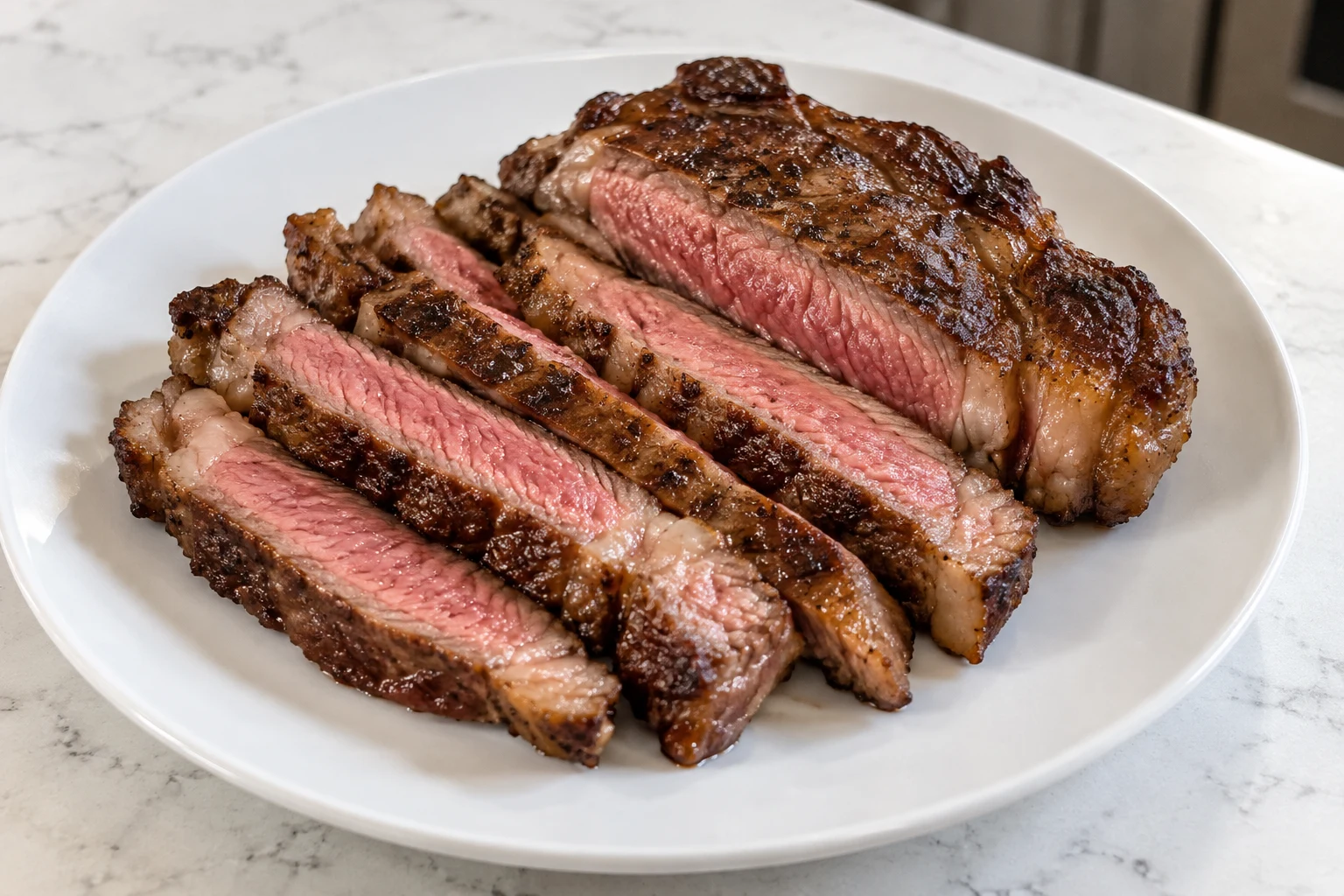
A thick steak punishes the obvious approach. Drop a two-inch ribeye onto screaming heat and the outside chars long before the middle warms up, leaving you a burnt crust wrapped around a cold center, or a wide grey band if you cook it long enough to fix that. There are two honest ways out of this, and they are almost mirror images of each other: get the crust first and the inside second, or the inside first and the crust last. Which one you want depends mostly on how thick the steak is and how much time you have.
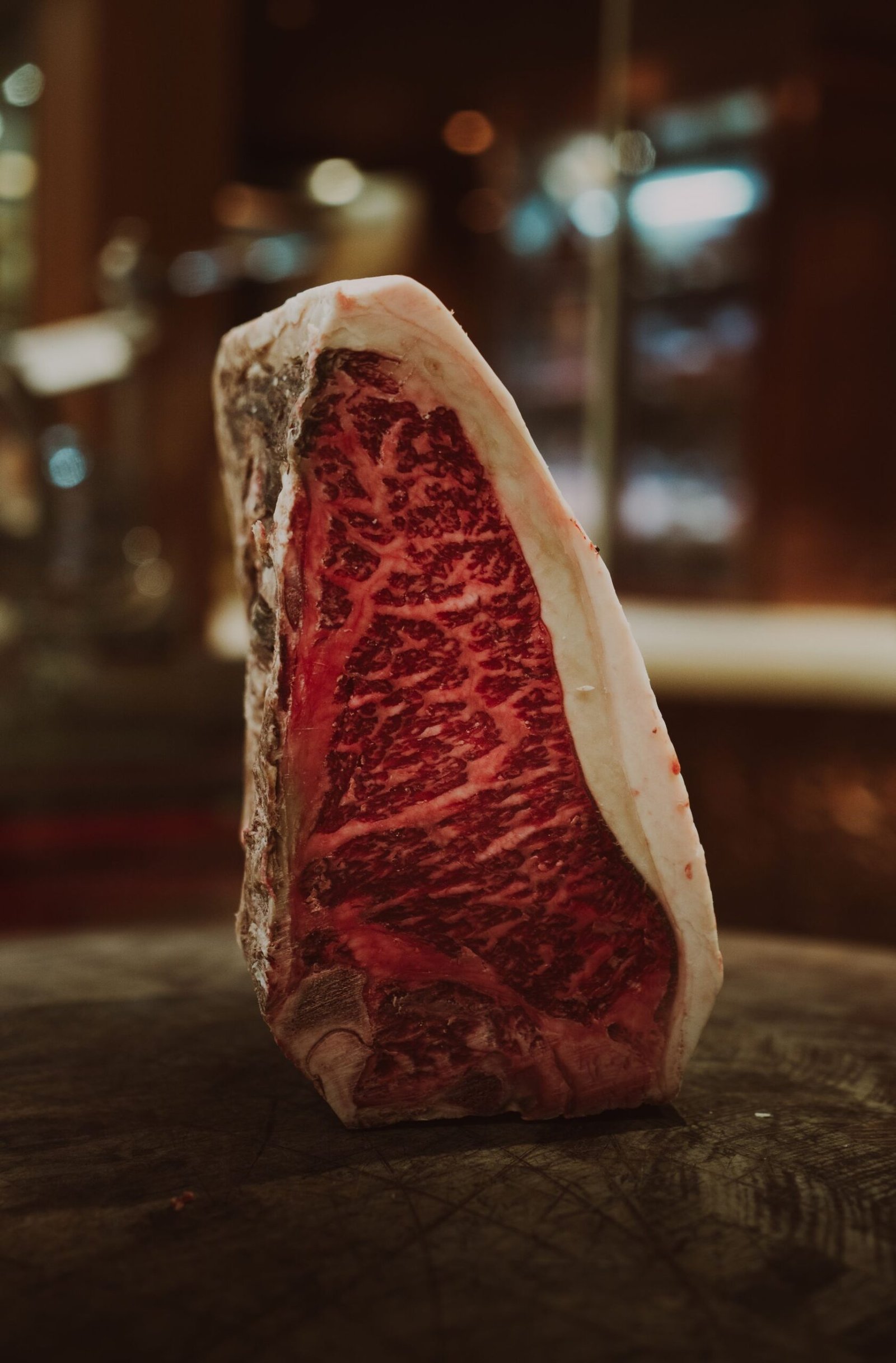
Hot and fast: crust first, worry about the inside after
The traditional approach is to get a pan or grill blazing, sear the steak hard on both sides, and either pull it right away or move it somewhere gentler to finish. For a thinner steak, up to an inch or so, this is all you need; by the time the crust is built, the inside has come up to where you want it. It is fast, it is simple, and it gives you the most aggressive char. The limit shows up with thickness. On a really thick cut, the surface is done browning long before the interior is ready, so you are forced to either accept an underdone middle or keep going and overcook the outer layers into that grey band. Hot and fast rewards steaks thin enough to cook through in the time it takes to build a crust.
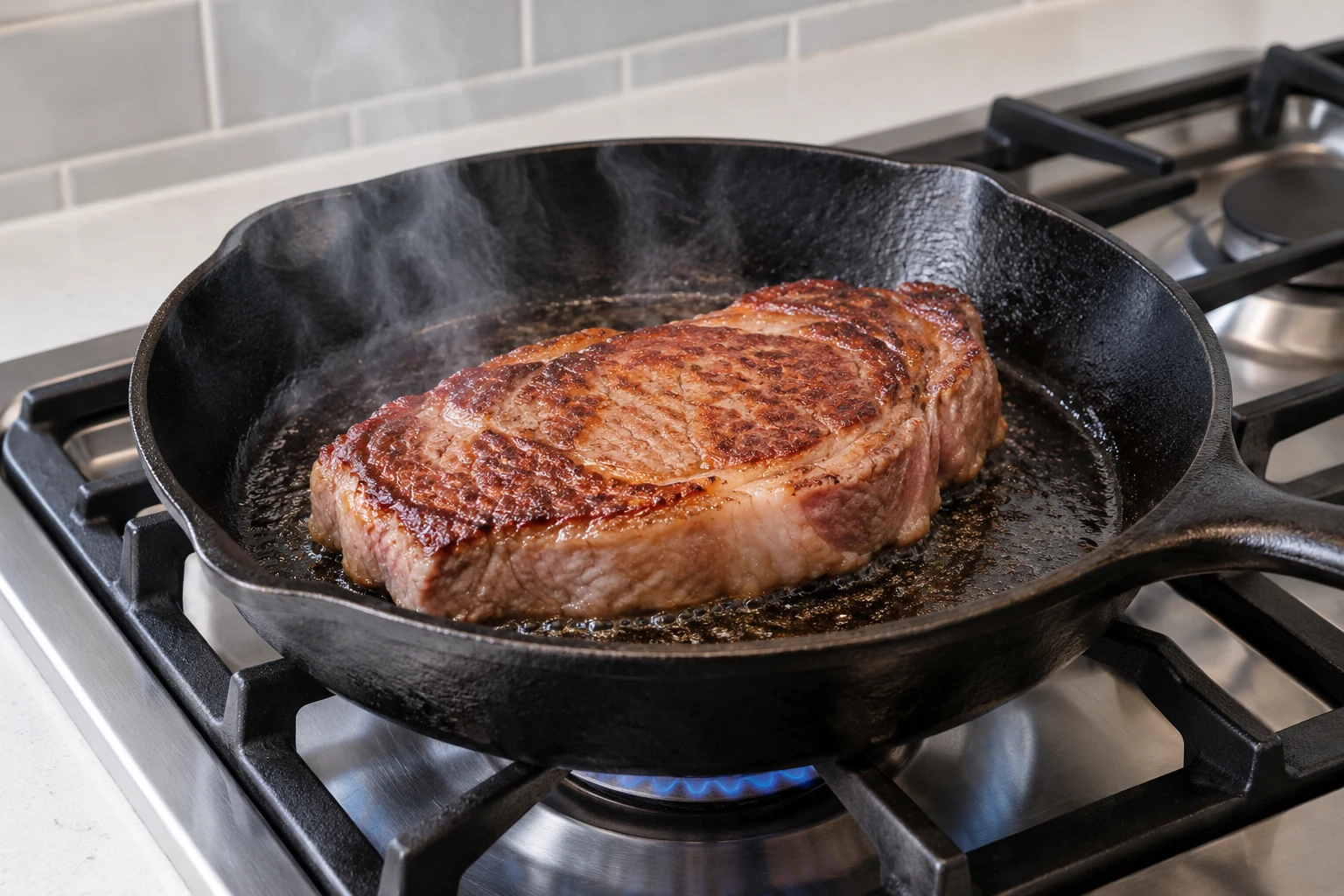
Reverse sear: inside first, crust last
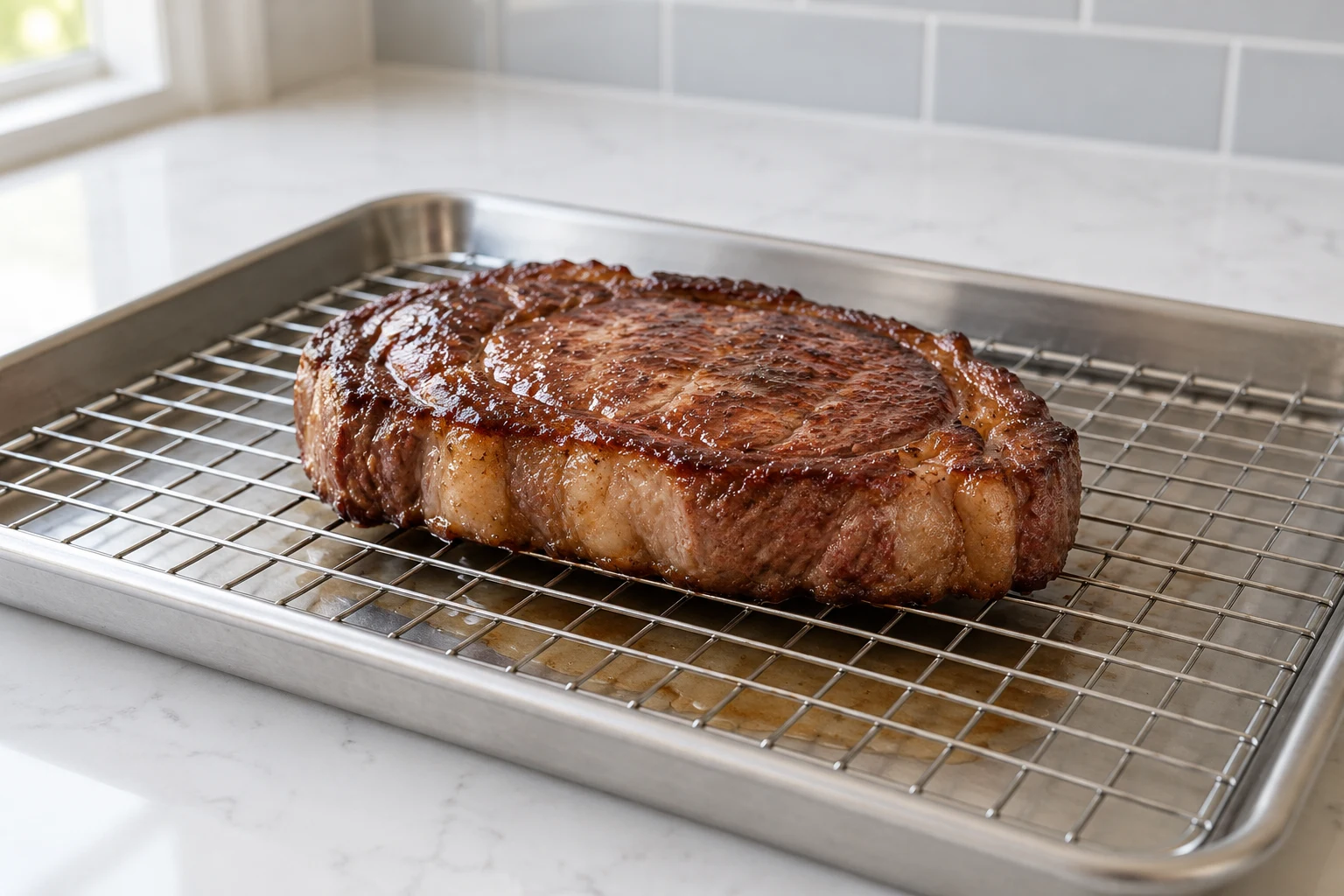
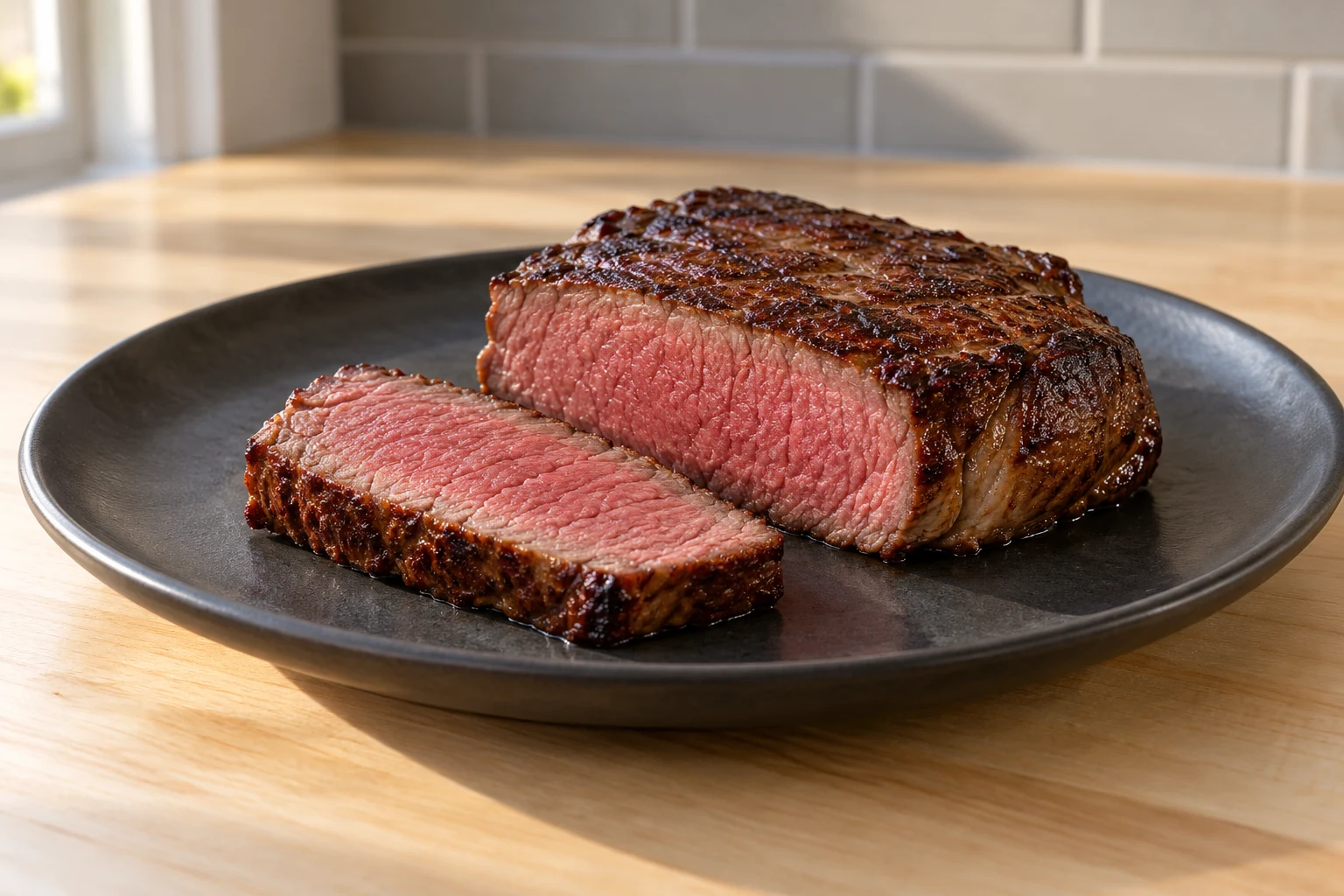
The reverse sear flips the order. You bring the steak up slowly in a low oven first, until the whole interior is evenly a few degrees below your target, then finish with a short, ferocious sear at the end purely to build the crust. Because the inside is already where you want it, that final sear only needs seconds a side, not minutes, so it browns without pushing the interior any further. The payoff is edge-to-edge evenness, almost no grey band, and, because the low oven dries the surface as it goes, an unusually good crust when you do sear. The costs are real too: it takes longer, and you genuinely need a thermometer to know when to move from oven to pan. For a thick steak, that trade is almost always worth it.
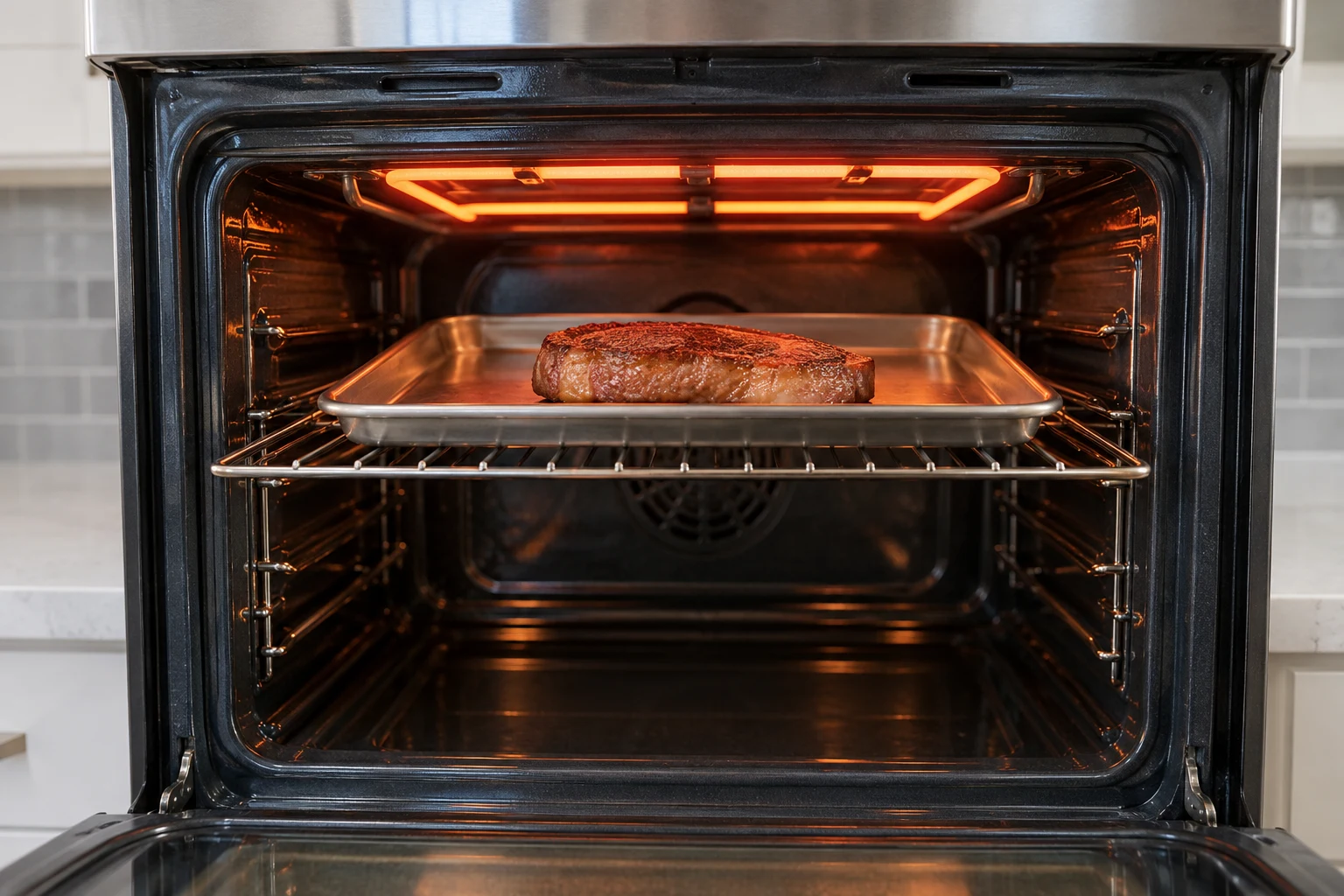
Choosing between them
Let thickness decide first. Something thin cooks through before a crust can overshoot, so hot and fast is the natural choice and the reverse sear is just extra dishes. Something thick enough that you have ever cut into it and found a cold or grey center is exactly what the reverse sear was invented for. Time and equipment tilt it further: hot and fast needs nothing but a hot surface and a few minutes, while the reverse sear asks for an oven, a thermometer, and some patience. Whatever the USDA recommendation of 145°F for whole beef means to you, both methods are just different paths to whatever internal temperature you have decided on; they change how evenly you get there, not how safe it is.
What I actually do
For anything thick, I reverse sear, every time. The even interior and the crust it sets up are worth the extra half hour, and I would rather babysit a thermometer than gamble on a thick steak over high heat. For a thin steak on a weeknight, I go hot and fast and never think about it again. The steak tells you which one it wants; you just have to look at how thick it is before you turn on the heat.
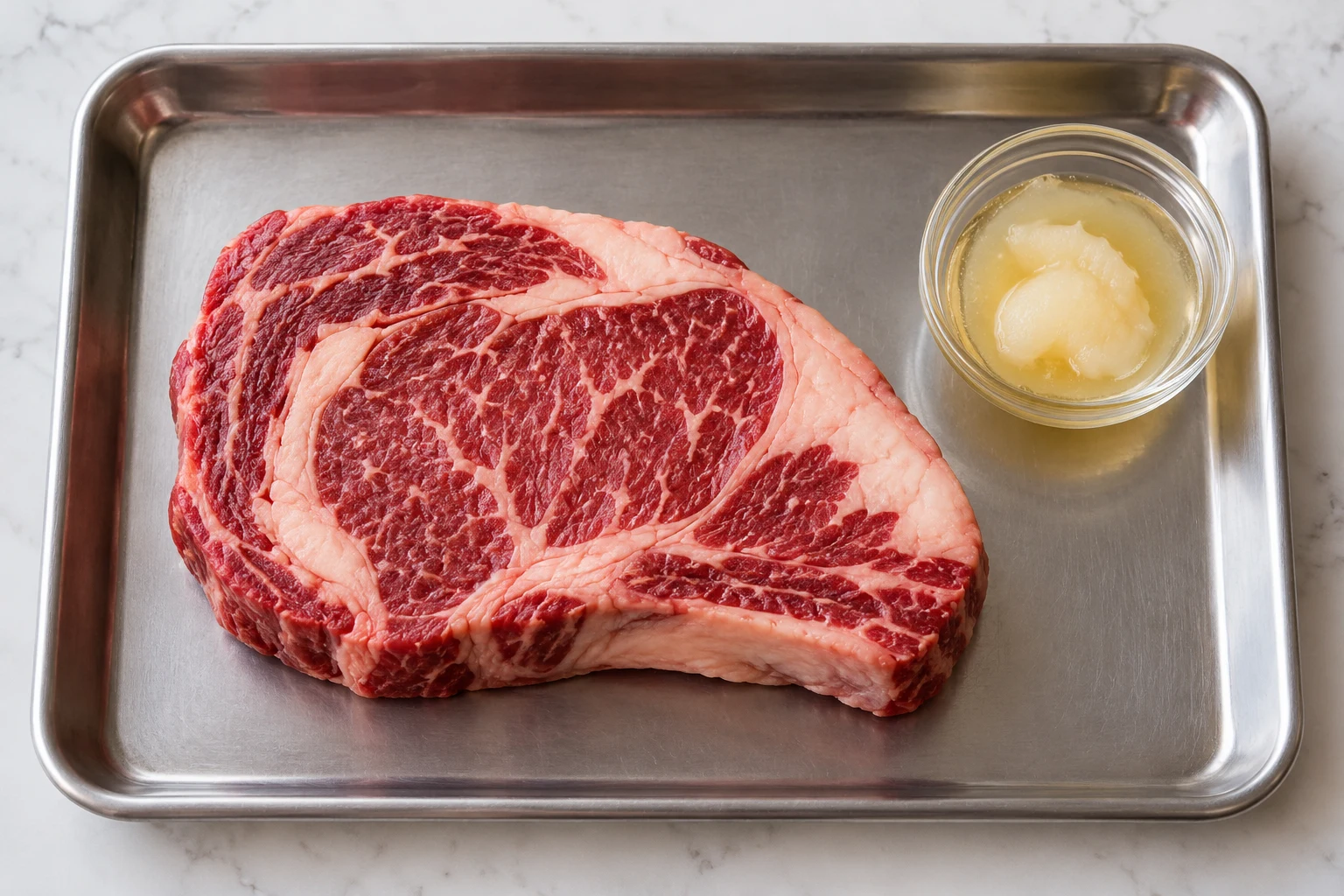
The 145°F figure for whole cuts of beef is USDA Food Safety and Inspection Service guidance; final doneness below that is a personal choice. Which method browns more evenly is a matter of technique, not a tested claim.