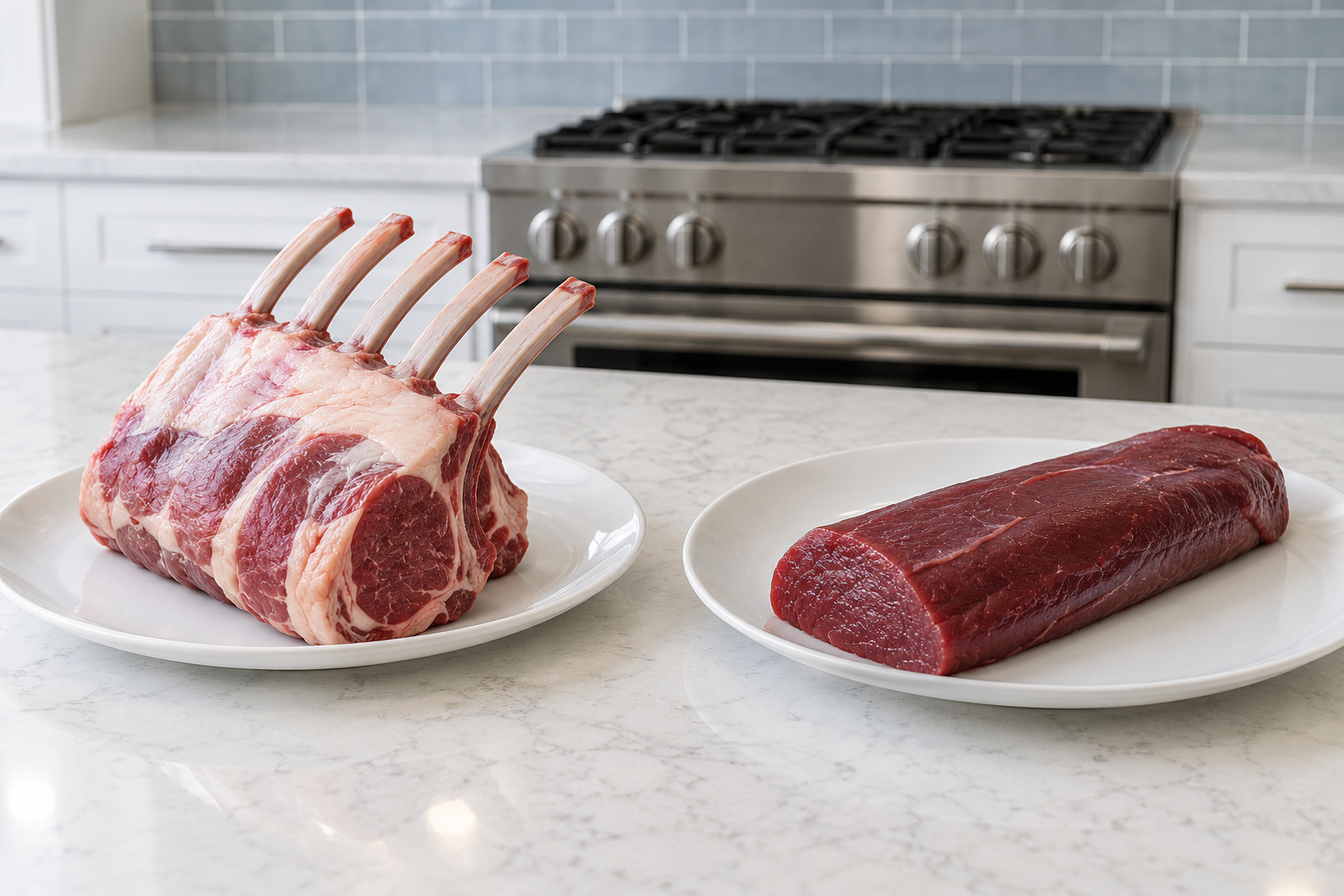
Lamb and game get avoided for the same reason, even though the reason only really applies to half of them: a fear of strong, “gamey” flavor. Lamb’s flavor is mostly a fat and breed question, not an inevitability. True game, venison, elk, bison, rabbit, is a genuinely leaner animal with its own separate set of rules, closer to lean beef than to lamb in how it actually needs to be handled. Treating the whole category as one flavor problem is where most of the avoidance comes from.
Lamb: what “gamey” actually means, and the cuts that showcase it best
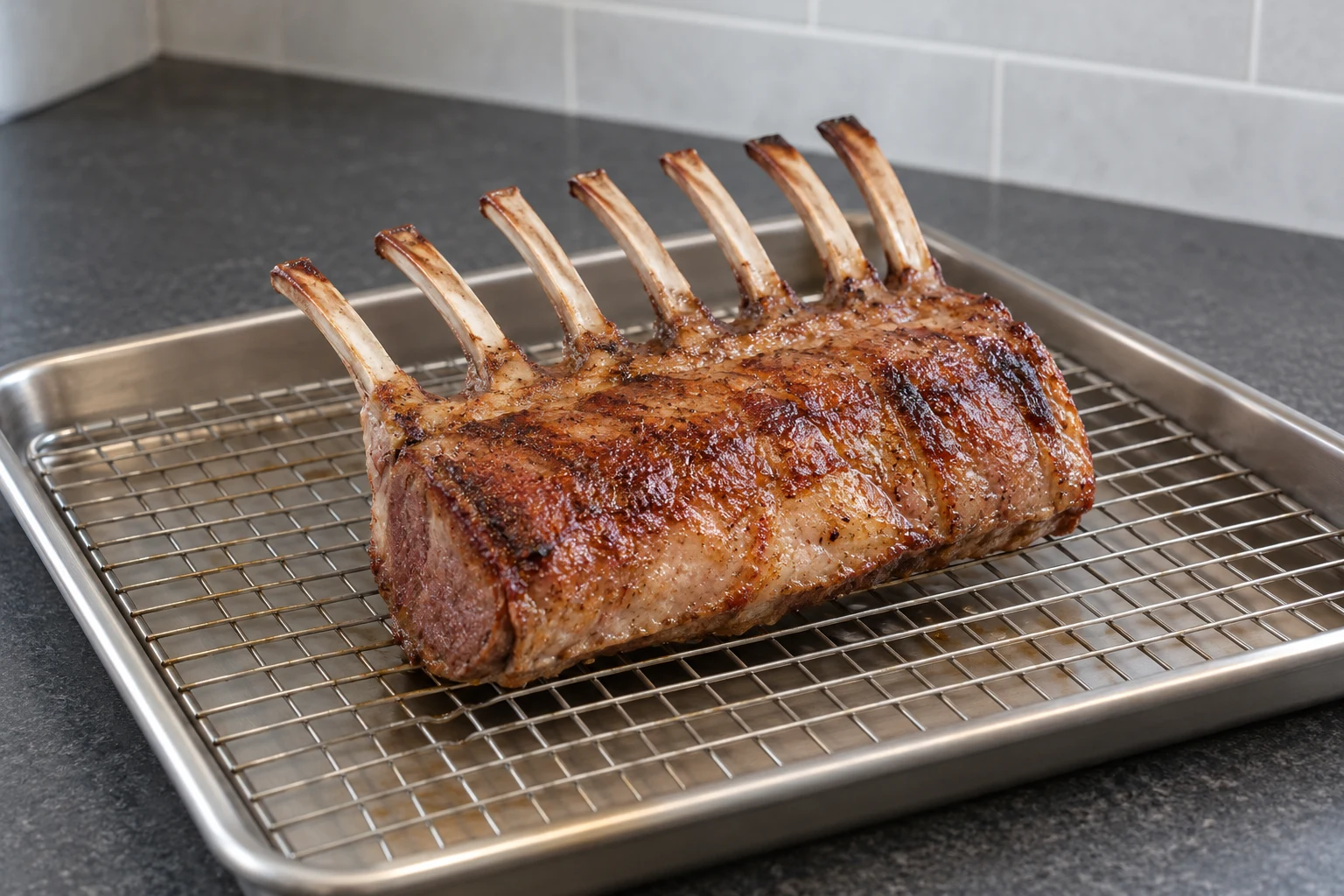
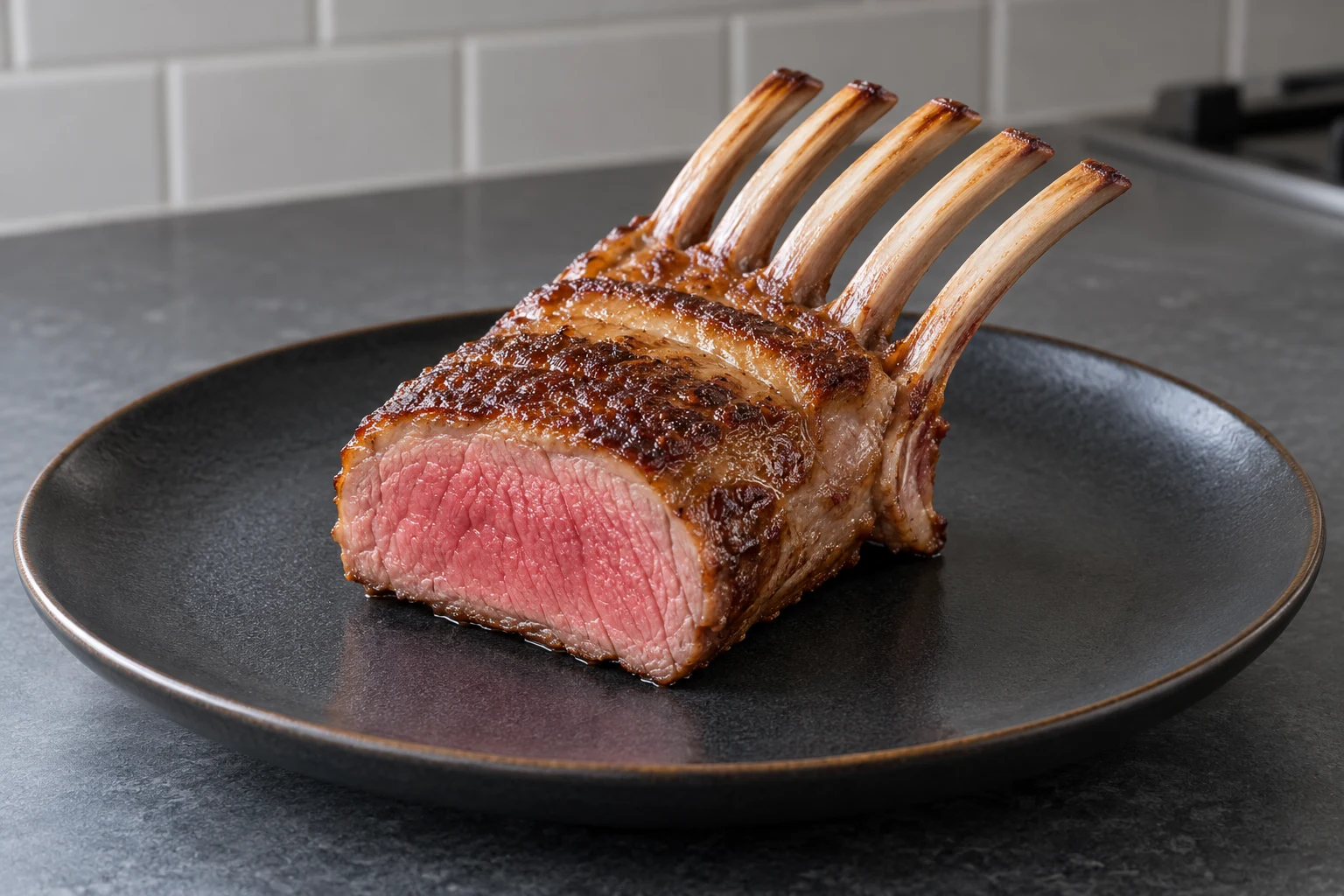
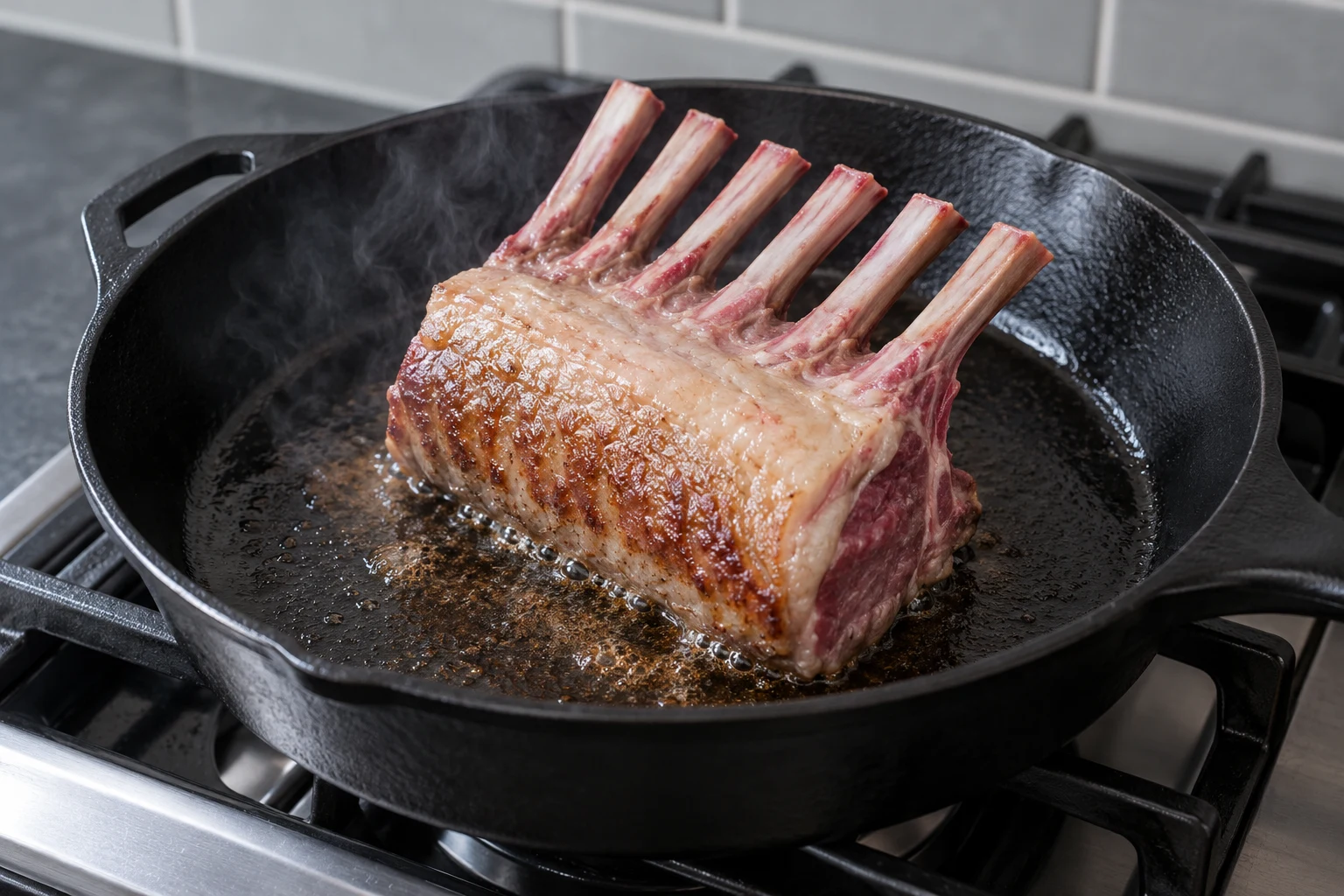
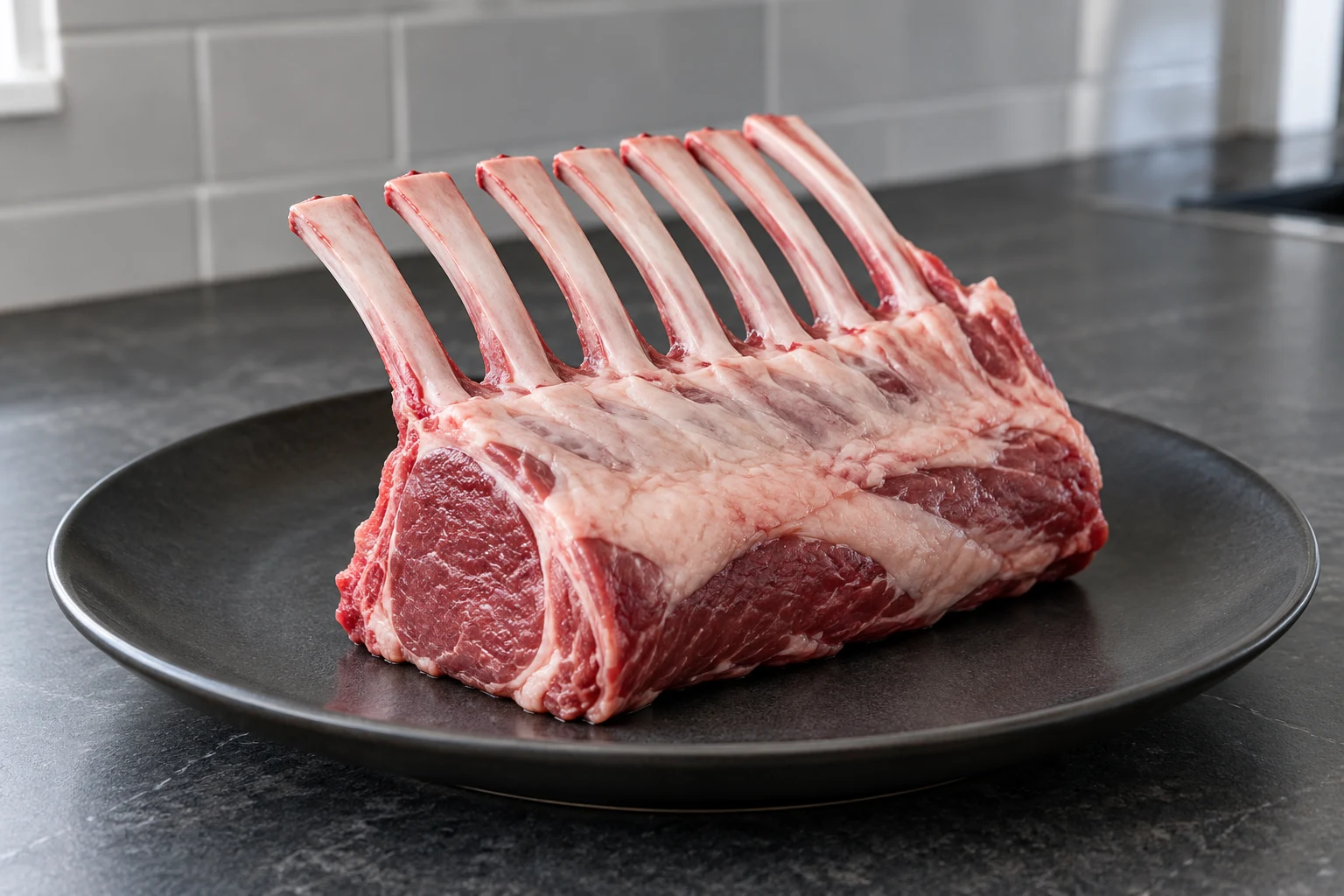
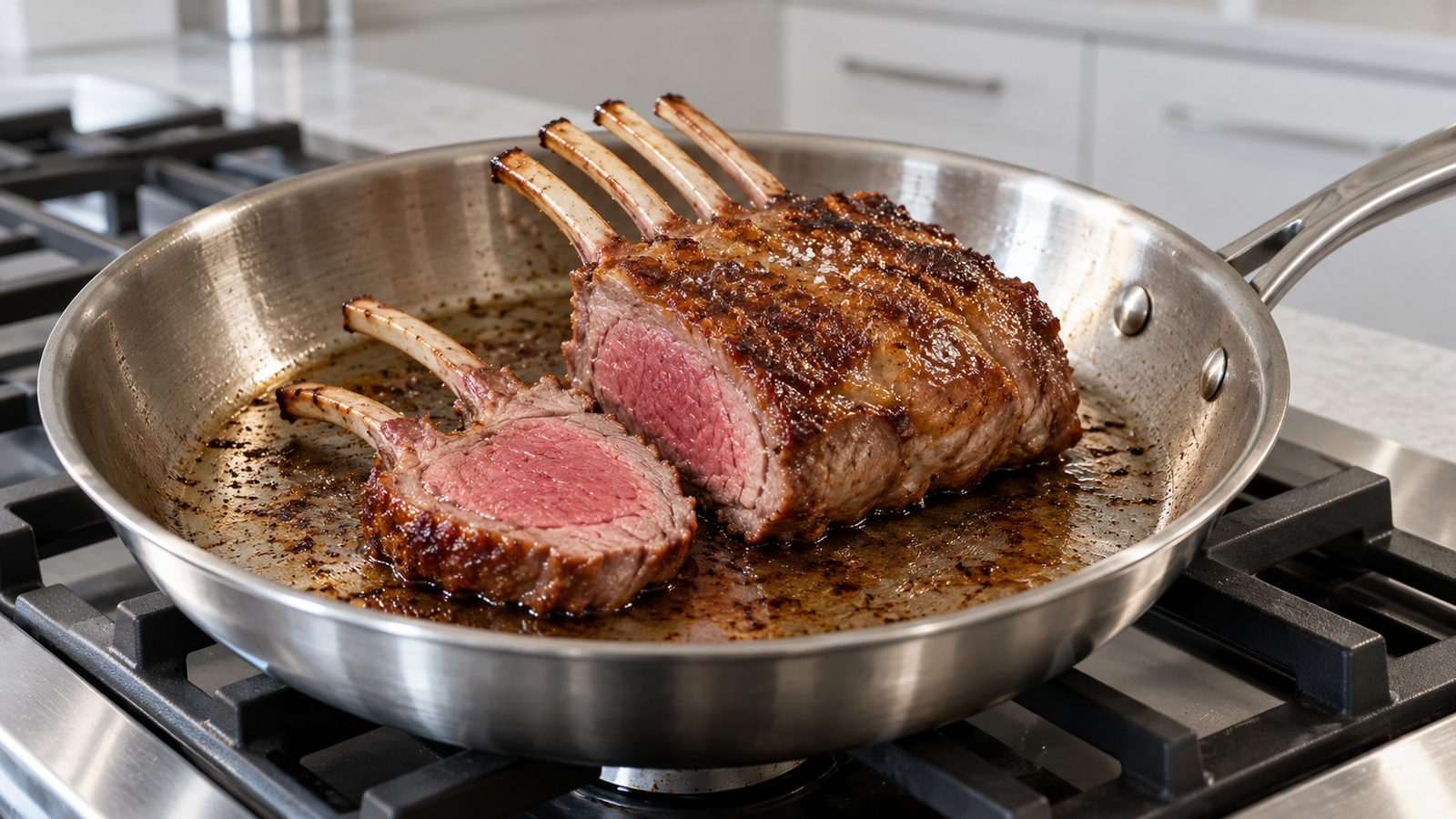
Why lamb tastes “gamey,” and what actually changes it is the real starting point for this half of the category, since it explains the actual source of that flavor (largely diet, breed, and age) rather than treating it as an unavoidable fact about the animal. Once that’s understood, the specific cuts stop being intimidating. Lamb chops, cooked fast and pink covers the fastest, most forgiving entry point, small steaks with a narrow but manageable cooking window. Pan-seared rack of lamb takes that same quick-sear logic and applies it to a connected row of chops at once, which looks far more advanced on a plate than it actually is to cook.
For bigger cuts, a bone-in roast lamb leg and braised lamb shanks split the same fast-versus-slow logic that governs beef: leg roasts reasonably quickly given its size, while shanks need low, slow, moist heat to break down their connective tissue the way a beef shank or short rib would. Fire-grilled ground lamb skewers covers the ground side of lamb specifically, a different texture and technique problem from any of the whole cuts above.
True game: leaner, and that changes everything
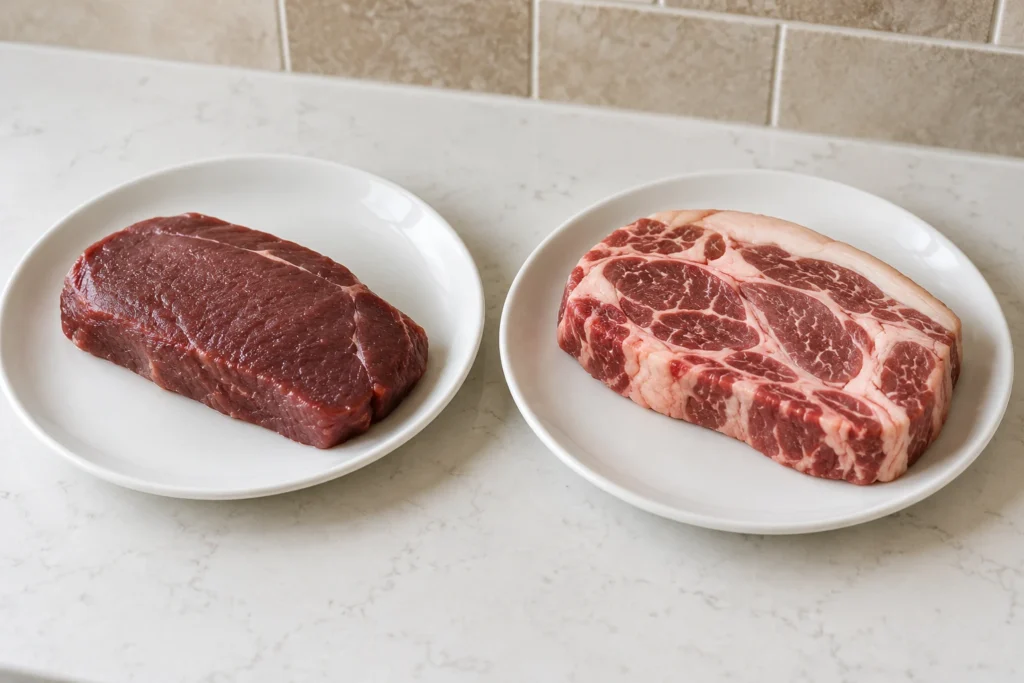
Cooking venison and lean game without drying it out is the foundational post for this half of the category, and it matters for a different reason than the lamb posts do: wild and farmed game animals carry far less fat than domesticated meat, which means the usual margin for a slightly-too-long cook simply isn’t there. Reverse-seared elk steaks puts that lean-meat caution into practice with a specific technique built to protect a cut with almost no fat insurance. Ground bison patties extends the same lean-meat logic to ground meat, where bison’s low fat content changes cooking time and technique compared to a fattier ground beef blend. Bone broth-braised rabbit is the outlier here, a genuinely different animal built almost entirely around lean, fine-grained muscle that responds best to the same slow, moist heat that works on tougher cuts elsewhere on this site.
The one distinction that matters more than any specific recipe
| Fat content | Biggest risk | |
|---|---|---|
| Lamb | Moderate to high, depending on cut | Ignoring the actual flavor source and over-seasoning to mask it |
| Venison, elk, bison, rabbit | Low, often very low | Overcooking past a narrow margin with no fat left to protect it |
Sourcing game, specifically
Most game meat on this list is farm-raised rather than wild-caught by default, bison and venison especially, which matters for consistency: a farm-raised animal’s diet is controlled, so the flavor and fat content are far more predictable than a wild animal’s would be. Wild game varies considerably more, since diet and age shift with the season and the specific animal, which is part of why a technique that works well on one piece of venison can behave differently on another. Buying from a specialty game butcher or a farm-direct source that can answer a direct question about how the animal was raised and processed is worth more here than almost anywhere else on this site, precisely because the variation between sources is so much wider than it is for conventional beef or pork.
Mistakes specific to this category
- Applying beef timing to lean game. A venison or elk steak cooked on the same clock as a well-marbled ribeye comes out dry well before that clock says it should be done.
- Over-seasoning lamb to hide the flavor instead of understanding it. Heavy, masking spice blends treat lamb’s character as a problem rather than the actual point of cooking it.
- Treating every cut on this list as equally forgiving. A lamb shank and a lamb chop are not interchangeable in technique, and neither are a fatty ground bison patty and a lean elk steak.
- Skipping a rest on lean game specifically. With less fat to protect against moisture loss, skipping the rest costs more here than it does on a fattier cut.
Where to start
Lamb chops are the lowest-commitment first attempt on the lamb side: fast, forgiving by comparison, and a genuine introduction to what lamb actually tastes like when it isn’t overcooked. On the game side, ground bison is the gentlest entry point, since it behaves close enough to ground beef that the main adjustment is simply cooking it a little less. Reverse-seared elk or a similar lean steak is worth attempting once that leaner-meat caution feels familiar rather than theoretical.
This is a technique overview, not a food-safety substitute. Always cook meat to a safe internal temperature using a reliable thermometer, and source wild game from a reputable processor.
Visual steps
