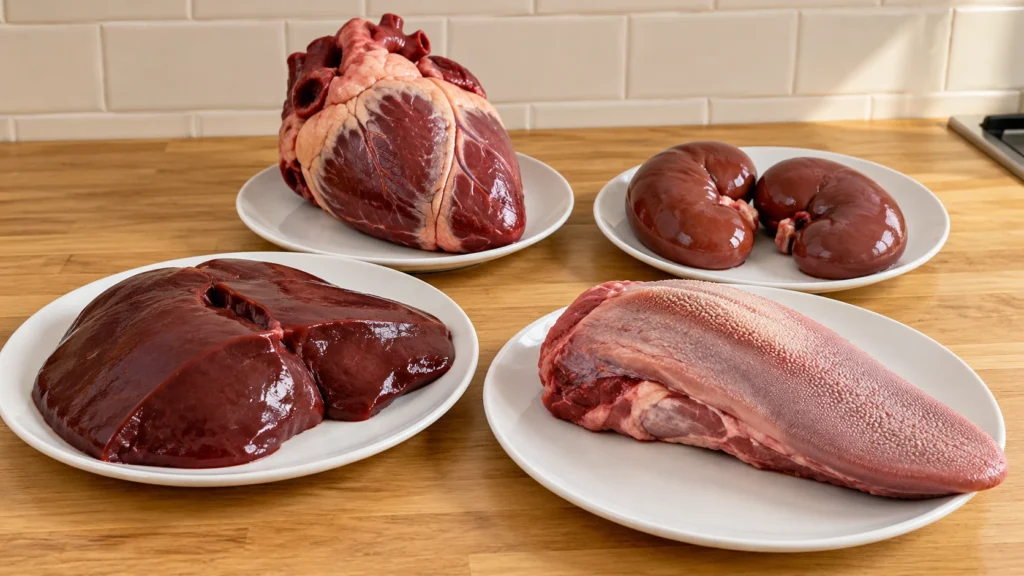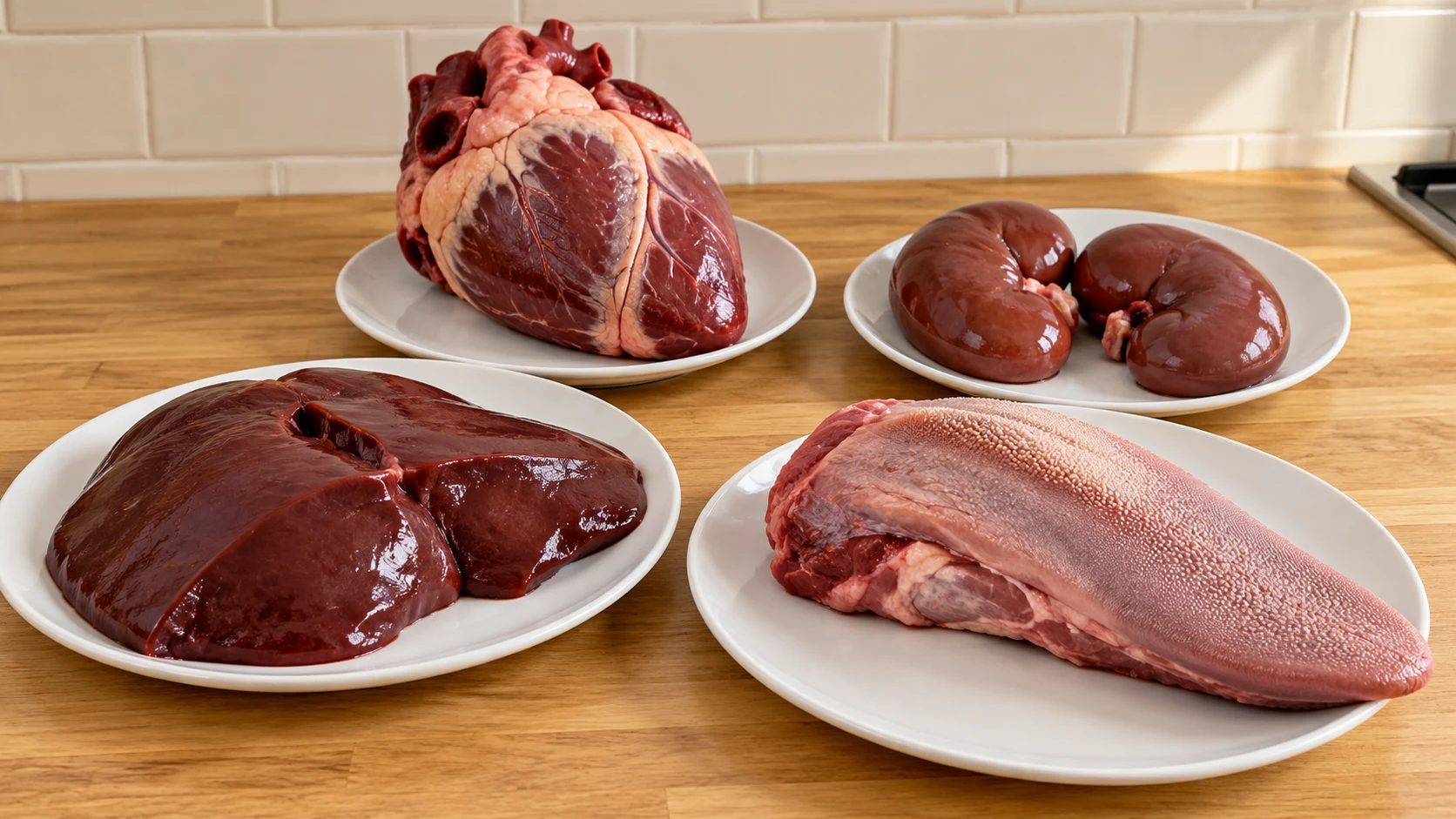
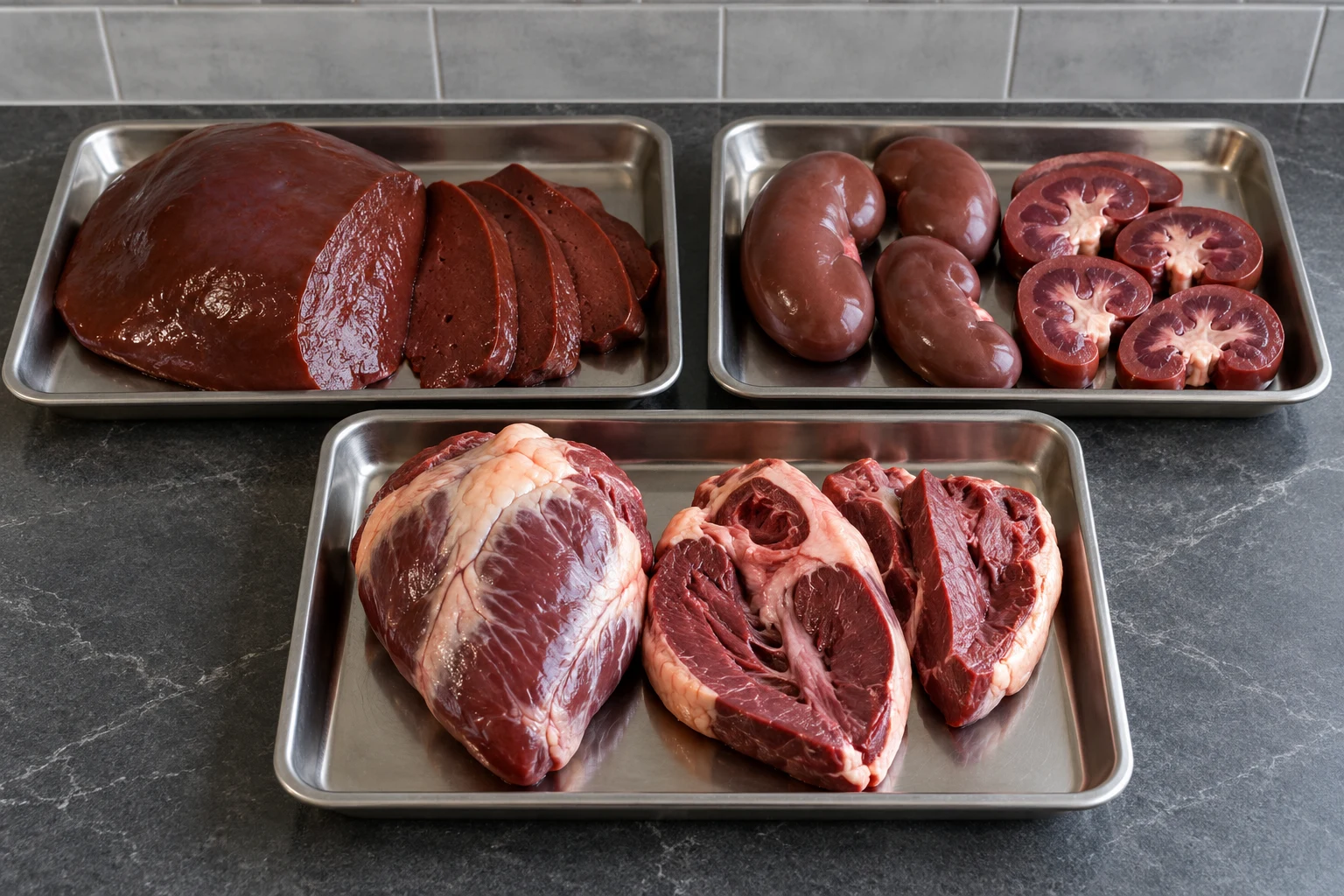
Organ meat earns its reputation for being difficult almost entirely from being cooked like it’s muscle meat, which it isn’t. Liver, heart, bone marrow, tongue, and kidney each behave by their own distinct rules, and most of what makes organ meat unpopular traces back to applying the wrong rule to the wrong organ. They’re also, consistently, the cheapest real food at any meat counter, priced low because demand for them is low, not because anything is actually wrong with them.
Liver: a short, hot cook and a clear reason for the bitterness
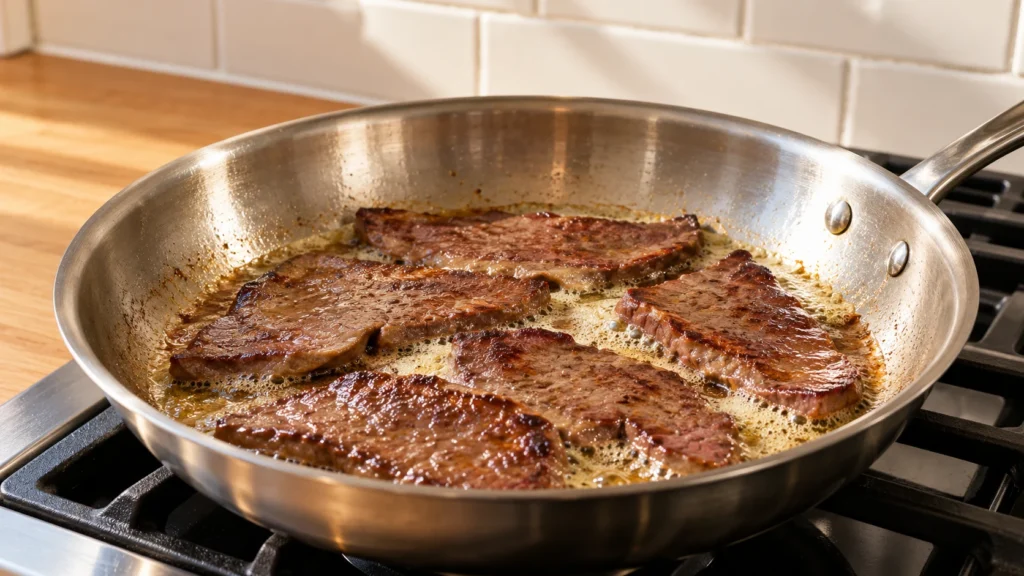
Beef liver without the bitterness is the place to start here, since it covers the two specific mistakes behind nearly every bad liver experience: skipping the soak, and cooking it too long. Liver’s reputation rests almost entirely on those two avoidable errors, not on anything inherent to the organ itself. Beef liver pan-seared in butter takes that same corrected approach and builds a specific technique around it: liver cooked briefly and hot, with nothing else competing for attention, comes out soft and far milder than the grey, overcooked version most people remember.
Chicken liver is a different enough ingredient to earn its own entry rather than just a smaller version of beef liver. Chicken liver pâté that isn’t grainy or bitter takes the same basic logic, trim carefully, don’t overcook, and applies it to a format beef liver isn’t suited for: a smooth, blended spread rather than a seared dish. It’s the lowest-cost, fastest-cooking entry point into this entire category.
Heart: closer to a steak than to liver
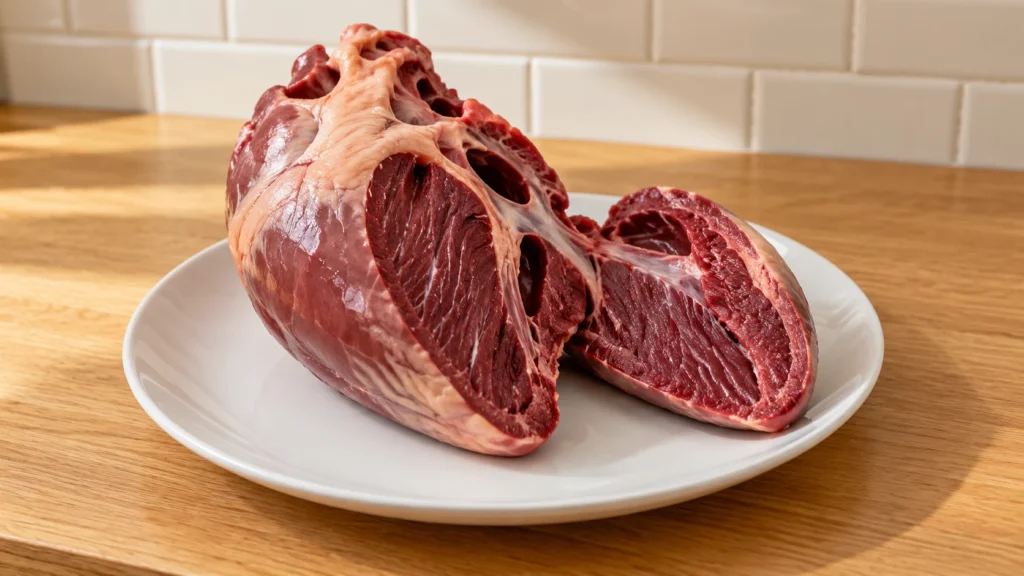
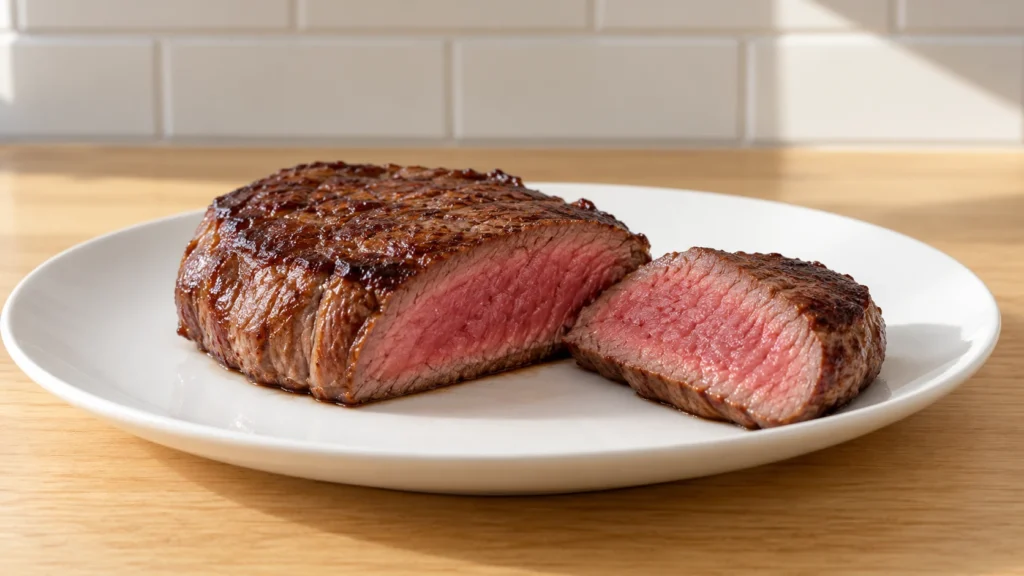
The instinct to lump every organ into one category is exactly what heart cooks like steak, not like liver pushes back on directly. Heart is dense, lean muscle with almost none of liver’s soft, mineral-heavy texture, and treating it with liver’s gentle, quick-cook rules leaves it tough. Treating it with steak’s rules instead, a hot sear and a short rest, gets it right. It’s a useful reminder that “organ meat” isn’t one texture or one technique; it’s a category of very different tissues that happen to share a shopping aisle.
Bone marrow: barely a technique at all
Roasted bone marrow is about as close to zero-effort as cooking gets: bones in a hot oven until the marrow softens, then a spoon. It belongs in this category more as proof that “organ meat” covers a wider range of effort and difficulty than its reputation suggests, not just a range of flavor.
Tongue: muscle, not a gland, but still part of this group
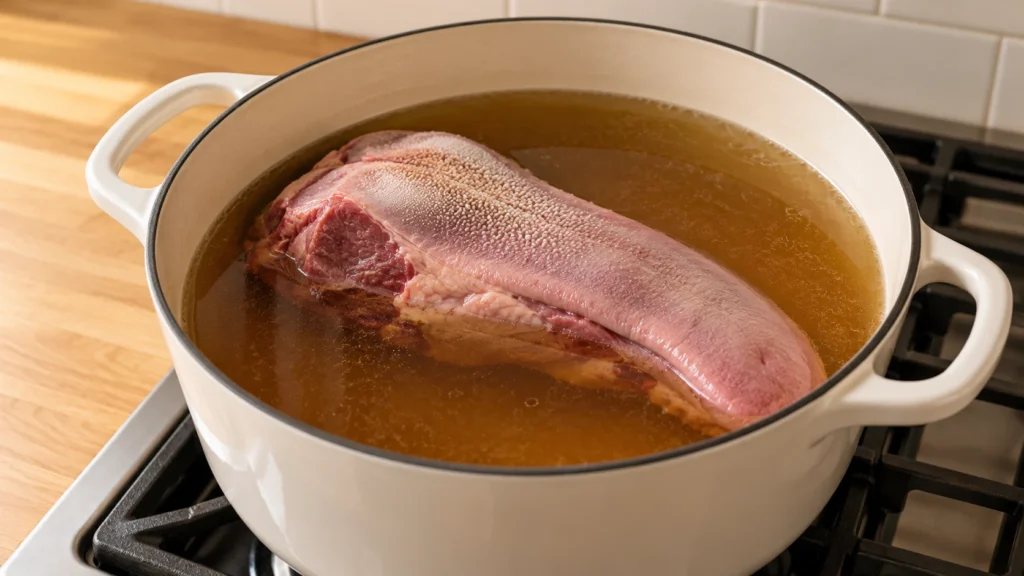
Tongue sits slightly apart from the rest of this category since it’s dense muscle rather than a gland or filter organ, closer in kind to a tough braising cut like chuck than to liver or kidney. Beef tongue, braised low and slow until it’s tender enough to peel, covers both the long braise it needs to break down and the one non-negotiable step that scares most people away from trying it: peeling the outer skin off while it’s still hot, before it has a chance to cool and bond back to the meat underneath.
Kidney: the one that actually needs a soak
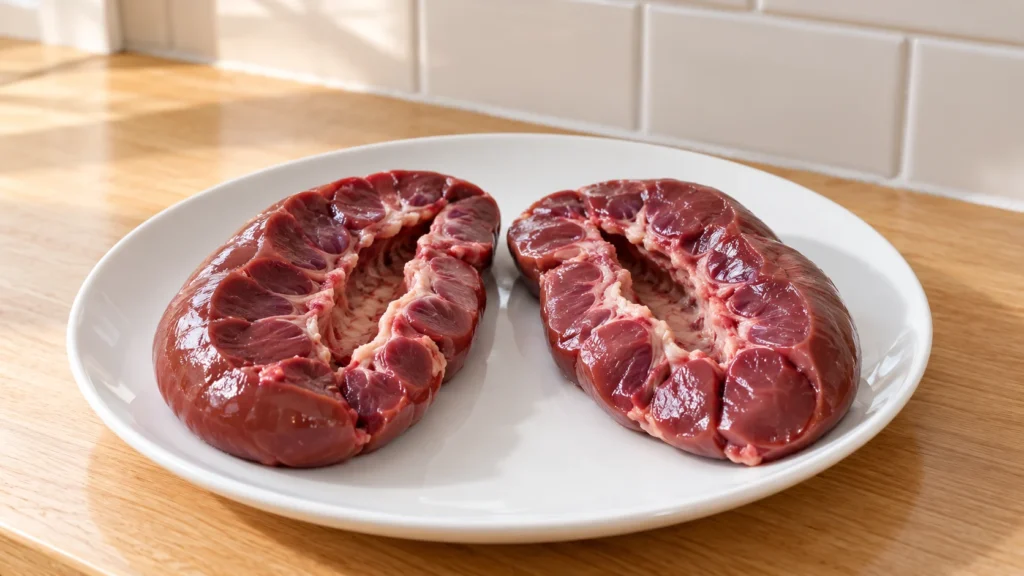
Kidney carries the worst reputation of anything in this category, usually described as smelling or tasting too strong to eat, and that reputation almost entirely traces back to skipped prep rather than the organ itself. Kidney: why it needs a soak before it hits the pan covers the tough core that has to be trimmed out, the milk or brine soak that pulls out the sharper flavor, and why overcooking kidney makes it stronger and tougher rather than milder, the opposite of what most people expect.
Handling it correctly matters more here than on most cuts
Organ meat generally has a shorter safe refrigerated window than whole muscle cuts, typically a day or two rather than several, since it’s more perishable tissue than a dense steak or roast. Kidney is the most perishable of the group and needs the tightest turnaround; tongue, being dense muscle, holds slightly longer than the rest. Buying organ meat the same day or the day before it’s actually cooked, rather than letting it sit in the fridge for a week the way a vacuum-sealed roast can, avoids the single most common reason someone’s first organ meat experience goes badly before the cooking even starts. Freezing it immediately if it won’t be used within that short window is the more reliable plan than hoping a longer refrigerated stretch works out.
A reputable source matters more here too. Organ meat concentrates some of what an animal processed during its life, which makes sourcing from an animal that was raised and handled well a genuinely bigger factor in quality than it is for, say, a cut of chuck. A butcher who can answer a direct question about where the organ meat came from is worth more here than almost anywhere else on this site’s buying guidance.
Why the reputation outlasted the reason for it
Organ meat was a normal, unremarkable part of eating an animal for most of human history, back when using the whole animal wasn’t optional. It fell out of favor in wealthier countries over the twentieth century as muscle cuts became cheap and plentiful enough that nobody needed the rest of the animal to get a full meal, and a couple of generations of unfamiliarity did the rest: nobody taught the next generation how to cook it, so the few bad, overcooked experiences people did have became the whole reputation. None of that history has anything to do with how liver, heart, marrow, tongue, or kidney actually taste when handled correctly. It’s a reputation that outlived its original reason a long time ago.
Why this is consistently the best value at the counter
Organ meat sits at the bottom of the price scale at most butcher counters and supermarkets for a simple reason: fewer people buy it, so it’s priced to move. That pricing has nothing to do with quality and everything to do with unfamiliarity. A pound of beef liver routinely costs less than the cheapest ground beef sitting next to it, and a pound of chicken livers usually costs less than a single chicken breast, which makes this one of the clearer value opportunities on this entire site for anyone willing to learn the specific technique each organ actually needs.
Where to start
Liver is still the most useful first attempt, since it’s the organ with the biggest gap between its reputation and the actual result once soaked and cooked briefly, and chicken liver pâté is the fastest, lowest-cost version of that same lesson. Heart is a reasonable second step for anyone already comfortable searing a steak, since the technique transfers almost directly. Bone marrow asks for the least commitment of all and is worth trying purely because so little stands between buying it and eating it. Tongue and kidney are the two worth saving for once the basics feel comfortable: tongue for the patience a long braise demands, and kidney for the extra trimming and soaking step that makes the biggest difference in how it turns out.
This is a technique overview, not a nutrition or medical recommendation. Source organ meat from a reputable butcher, keep it properly refrigerated, and follow standard food-safety handling for raw animal products.
Visual steps