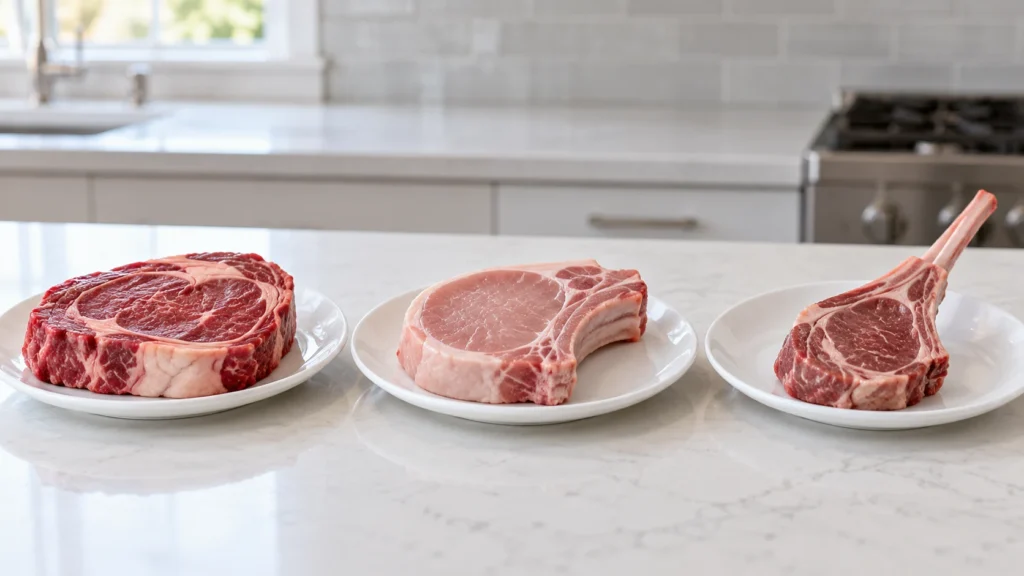
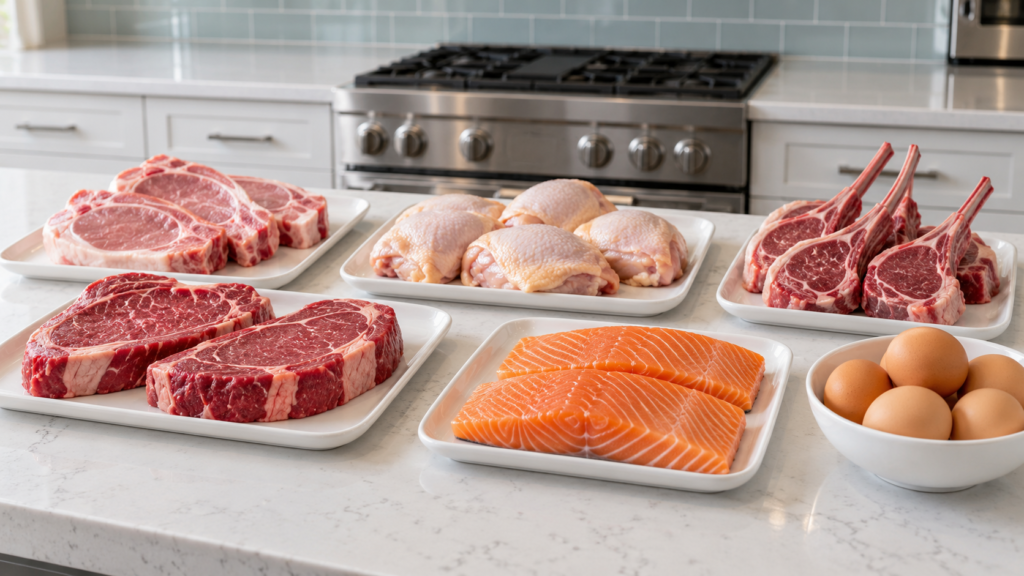
Meat Basics is the logistics layer underneath every other category on this site: not a specific cut or a specific animal, but the handful of decisions, how it’s bought, how it’s stored, how it’s seasoned, how it’s rested, that determine whether any given recipe actually succeeds regardless of what’s being cooked. Most of what separates a good result from a disappointing one happens before or after the actual cooking, in this category rather than any other.
Technique that applies to nearly everything
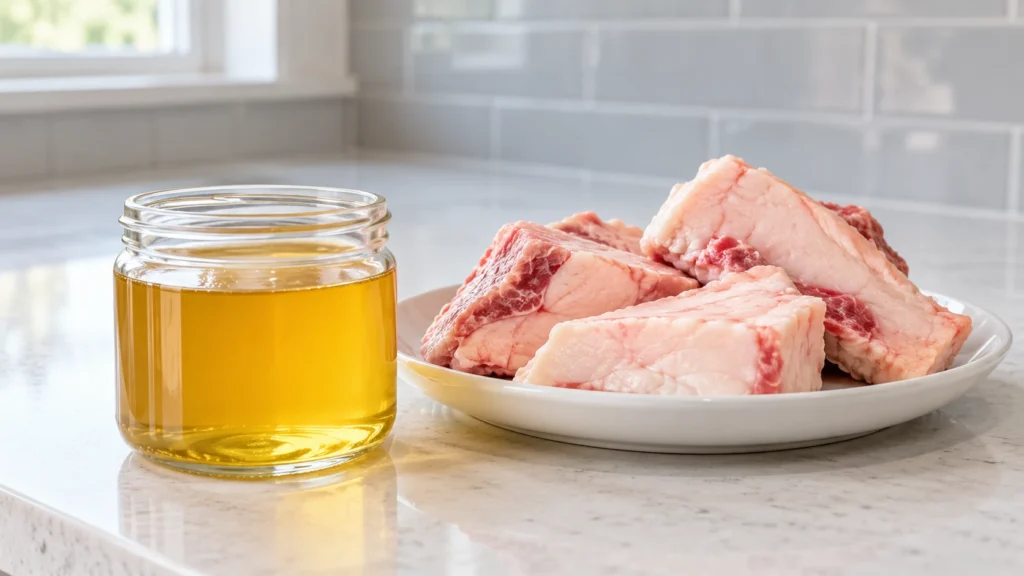
Salting meat, less about how much and more about how early and what resting meat actually does are the two most cross-referenced posts on this entire site, since nearly every cut-specific post eventually points back to one or both of them. What to do with rendered animal fat rounds this group out: tallow, lard, and schmaltz aren’t a separate ingredient category so much as the natural byproduct of cooking everything else here, worth using deliberately rather than pouring down the drain.
Storage and safety windows that actually matter
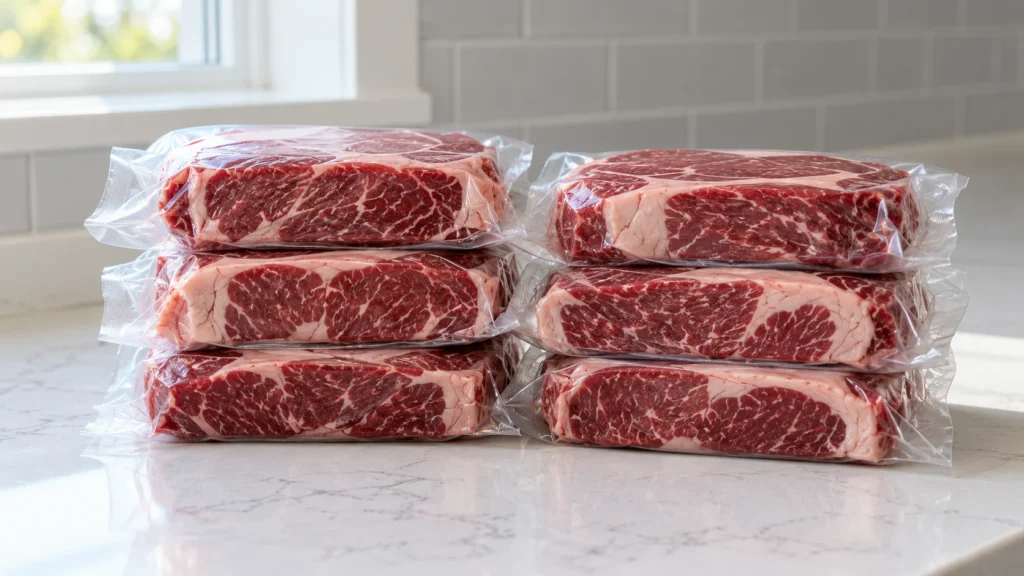
How long does cooked meat last in the fridge and freezer burn on meat cover the two most common storage questions that come up after a cut has already been bought and cooked, both grounded in real USDA and Health Canada guidance rather than guesswork. Getting this part right is what keeps a good prep-day effort from going to waste a few days later.
Buying smart, which is mostly about reading past the marketing
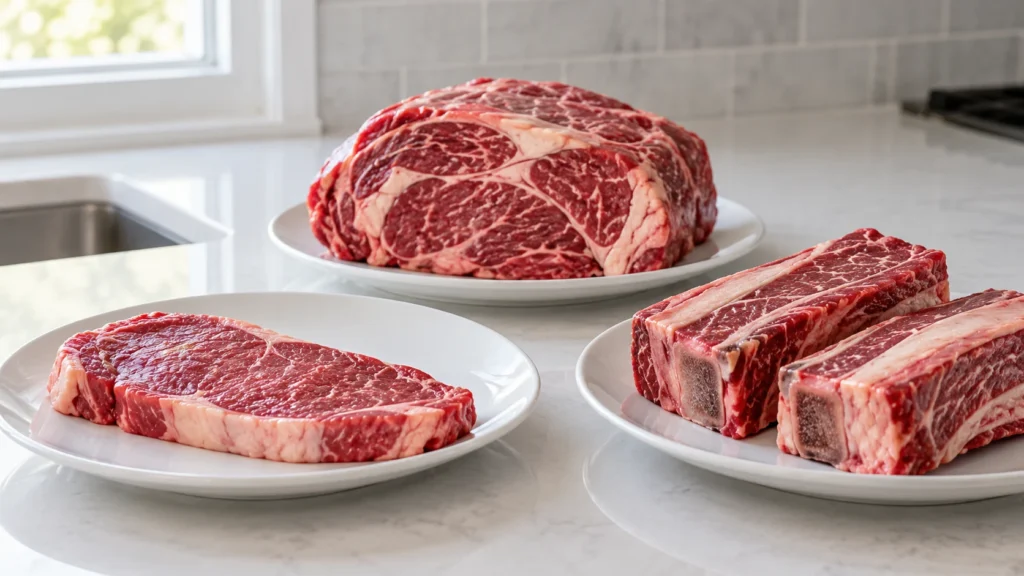
Where the real value actually is when you buy meat is the foundational post here, and everything else in this group builds on it. Grass-fed vs. grain-fed beef and USDA beef grades explained both decode specific label claims that get treated as simple quality rankings when they’re actually measuring narrower, more specific things. Butcher counter vs. supermarket covers where to actually ask the questions those labels don’t answer, and dry-aged vs. wet-aged beef explains a premium that’s frequently misunderstood, most of the price difference is real, unavoidable weight loss, not a markup. Buying meat in bulk is the natural next step once the smaller buying decisions feel settled, covering the real economics and the freezer-space question that actually determines whether a cow share makes sense for a given household.
Why this category gets skipped, and why that’s a mistake
Nobody searches for “how to salt meat” with the same urgency they search for a specific recipe, which is exactly why this category gets skipped in favor of jumping straight to a cut-specific technique post. That’s backward. A perfectly executed sear on an unsalted steak, or a well-cooked roast sliced the moment it comes off the heat, both underperform a far simpler piece of meat that got the basics right. The fundamentals here aren’t the boring prerequisite to the interesting content elsewhere on this site; they’re a bigger lever on the final result than most of the cut-specific technique is.
Mistakes that show up regardless of what’s being cooked
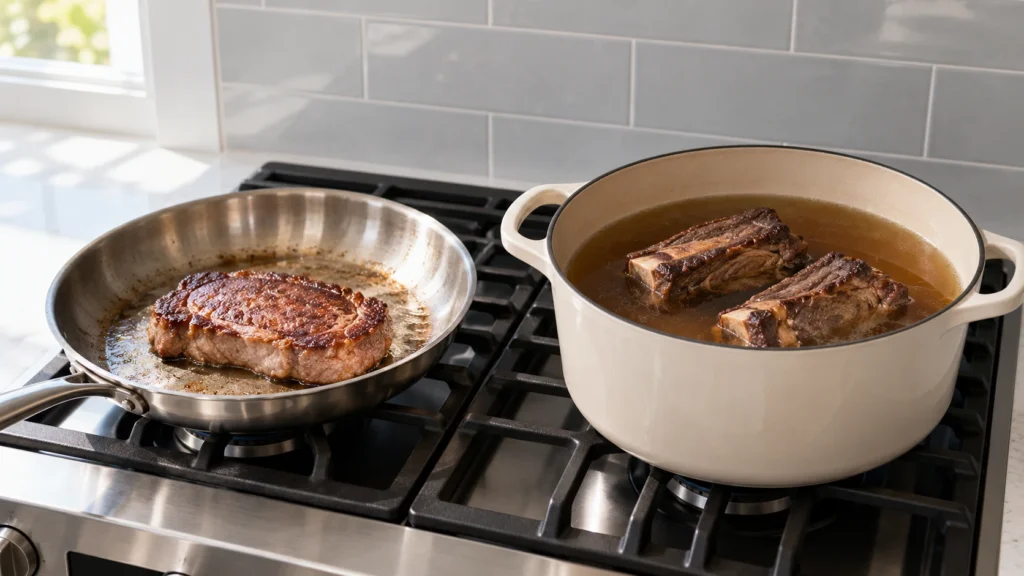
- Salting only right before cooking, out of habit. Salting earlier reaches further into the meat and dries the surface for a better sear, a bigger effect than most people expect from something this simple.
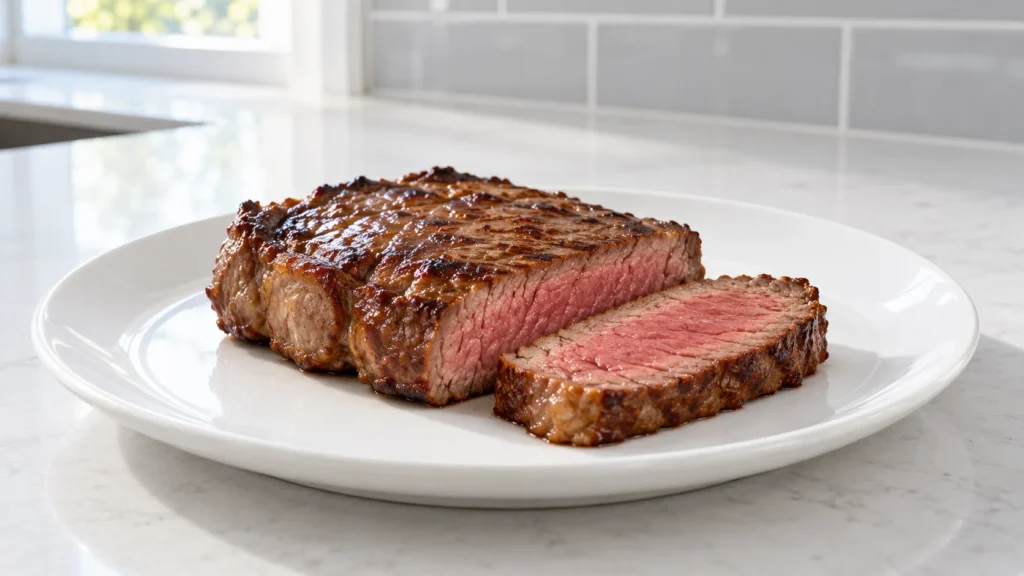
- Slicing immediately off the heat. Skipping the rest sends moisture onto the cutting board that belonged in the meat.
- Assuming a higher price automatically means a better buy. Grade, finishing type, and cut all affect price independently, and a specific question to a butcher usually reveals more than the price tag alone.
- Storing leftovers without checking a real time window first. Guessing at how long something safely keeps wastes good, already-paid-for meat.
How these actually interact in practice
| Stage | What matters most |
|---|---|
| Buying | Grade, finishing type, and cut selection decide most of the real value |
| Before cooking | Salting timing sets up everything that happens at the heat |
| After cooking | Resting determines how much of the cook’s work actually stays in the meat |
| Leftovers | Storage windows determine whether the first three stages were worth it |
Where to start
Salting and resting are worth reading before anything else in this category, since they change the outcome of nearly every other recipe on this site regardless of cut or animal. The buying-focused posts matter most right before an actual purchase, when a specific label claim or price difference needs an answer. The storage posts matter most after cooking, once there’s something left over worth keeping.
This is practical buying and storage guidance, not medical advice. Food-safety references are cited directly within the individual posts linked above.
Visual steps