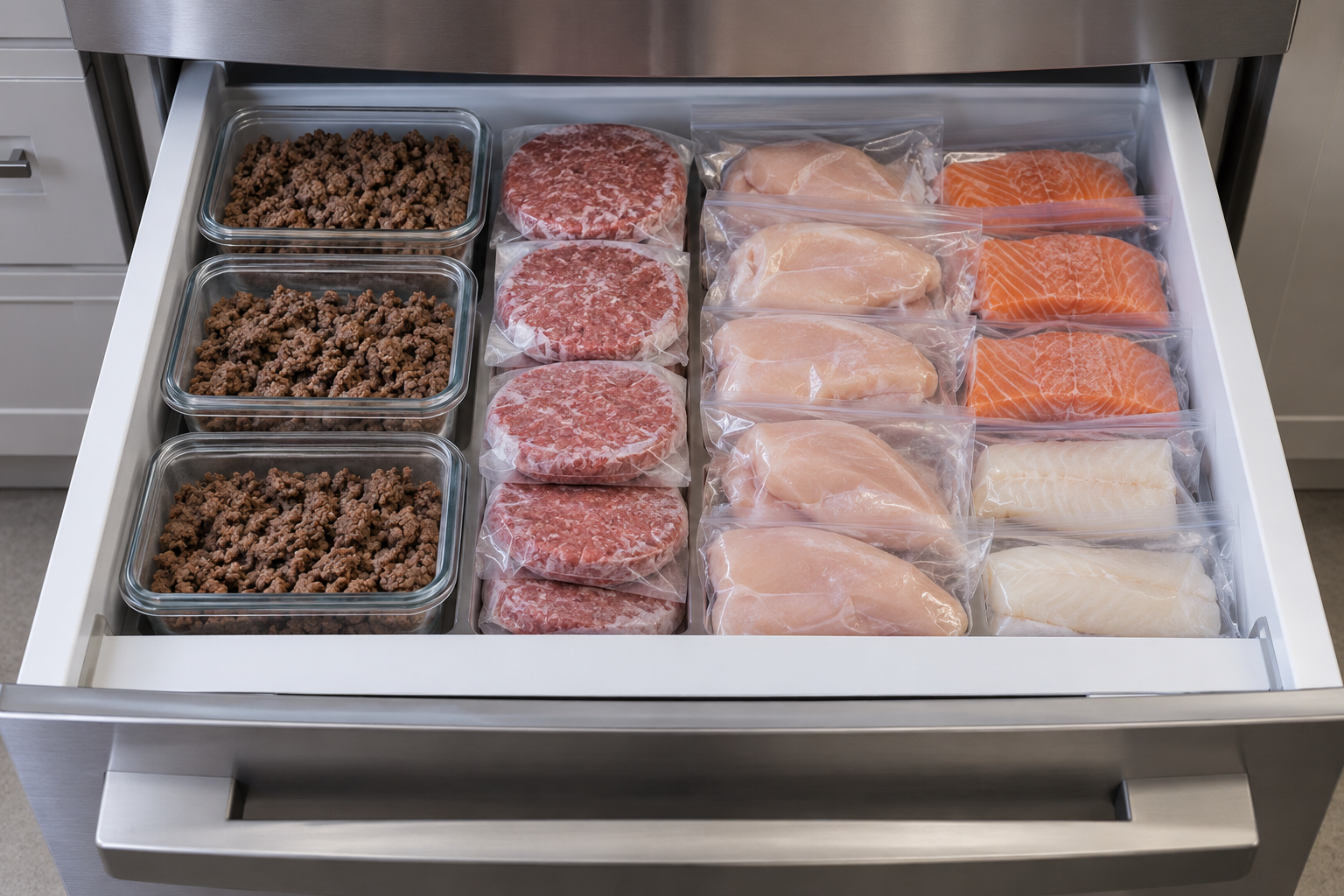
Eating mostly animal products is a straightforward decision and a genuinely different set of daily habits, and most of the friction people run into has nothing to do with the food itself. It’s logistics: what to buy, how to prep it, what a realistic week actually looks like, what happens at a restaurant. This category is built entirely around that logistics layer. The full food list covers what actually qualifies; everything here covers what to actually do with it.
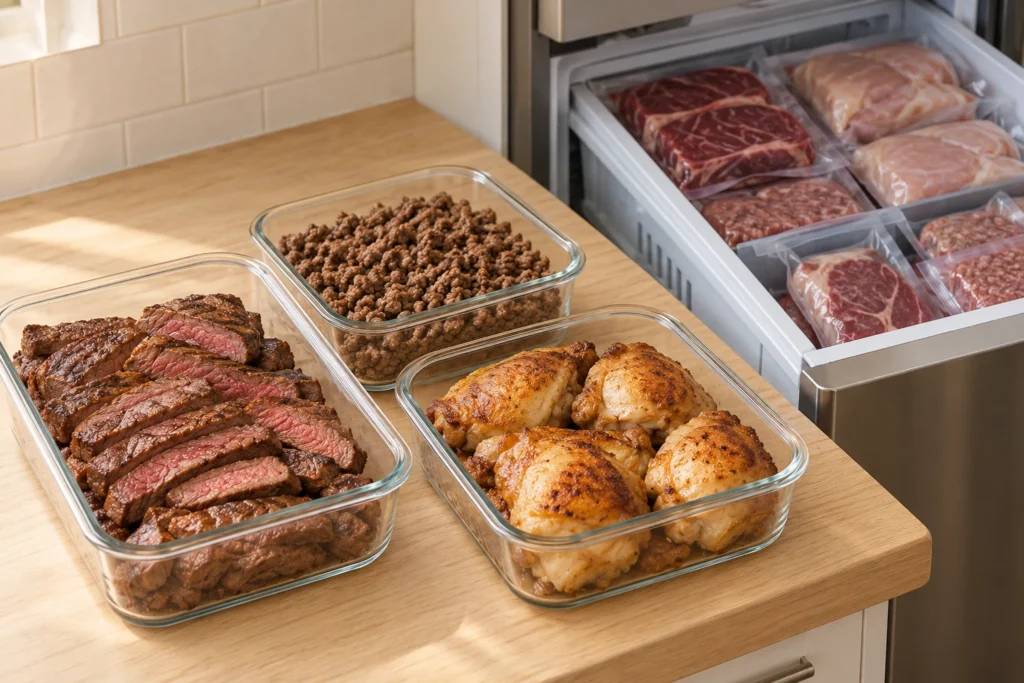
The systems that make the rest of this easy
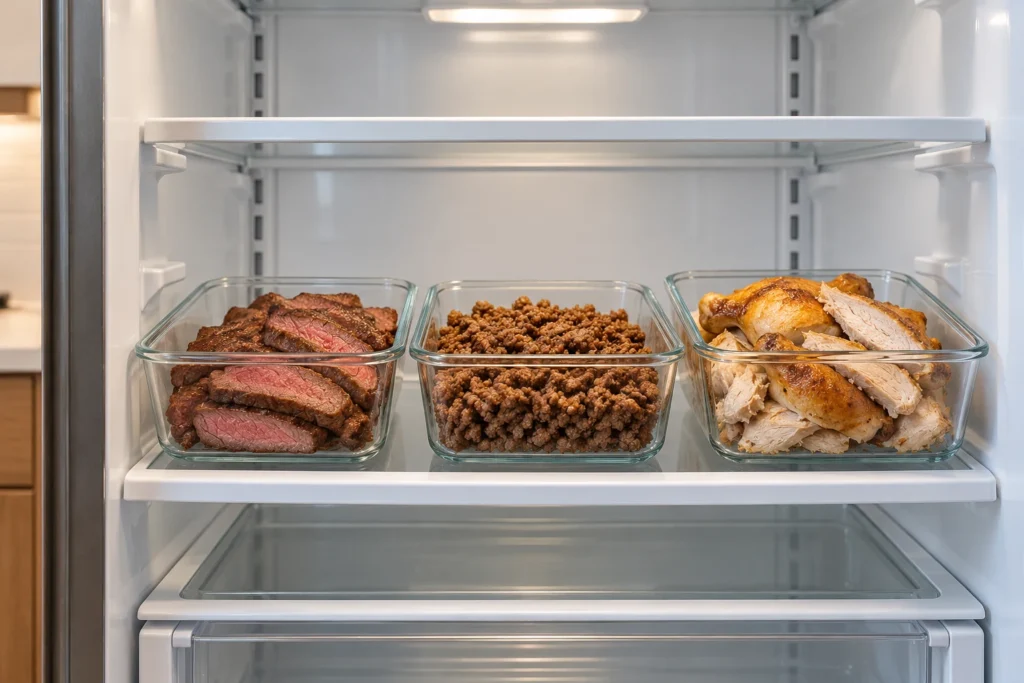
One prep day, a week of meat and the carnivore freezer system are the two foundational posts in this category, and nearly everything else here assumes one or both are already in place. A single prep session that turns raw cuts into ready-to-eat portions, backed by a freezer actually organized to support it, is what makes a busy weekday simple instead of a daily decision made from scratch. A week of meat without eating the same thing twice is the variety layer on top of that system, proof that batch-cooking and genuine variety aren’t actually in conflict.
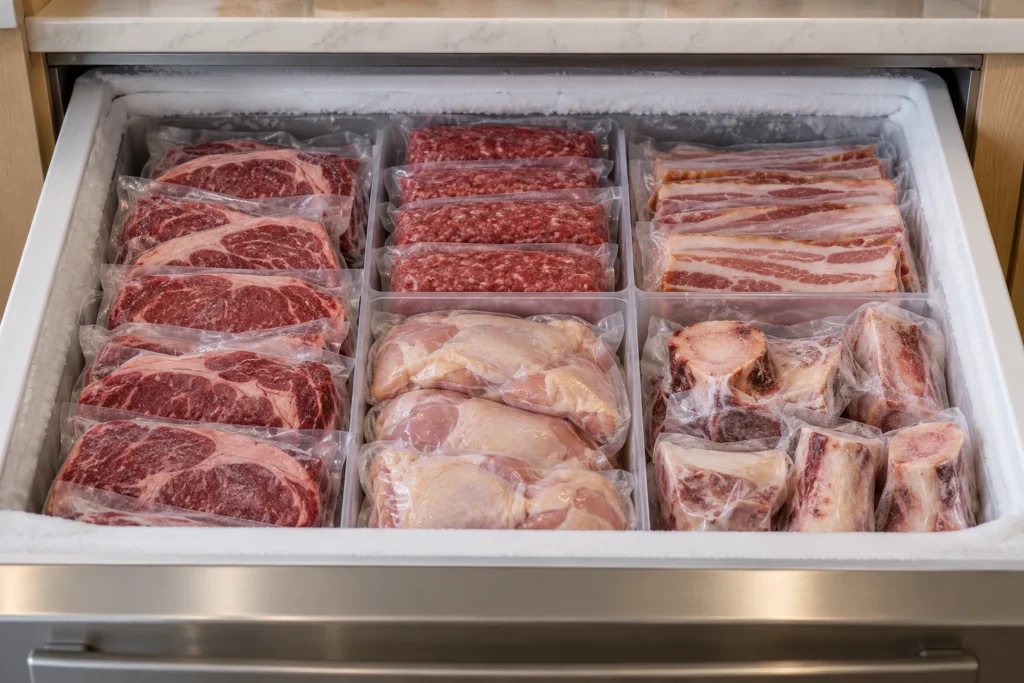
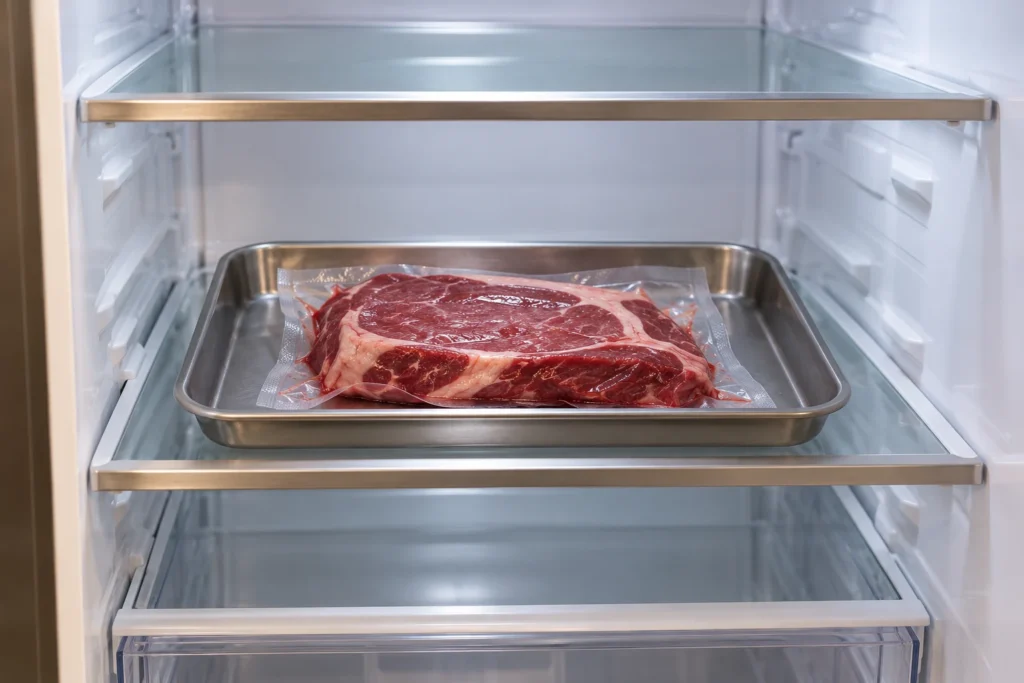
Putting it into an actual day or week
A day of eating this way, concretely walks through what a realistic day actually looks like meal by meal, and a practical 7-day starter plan extends that same structure across a full week with a real shopping list attached. Eating this way on a real budget covers the cost side directly, including the specific staples that keep a week affordable without cutting corners on real food.
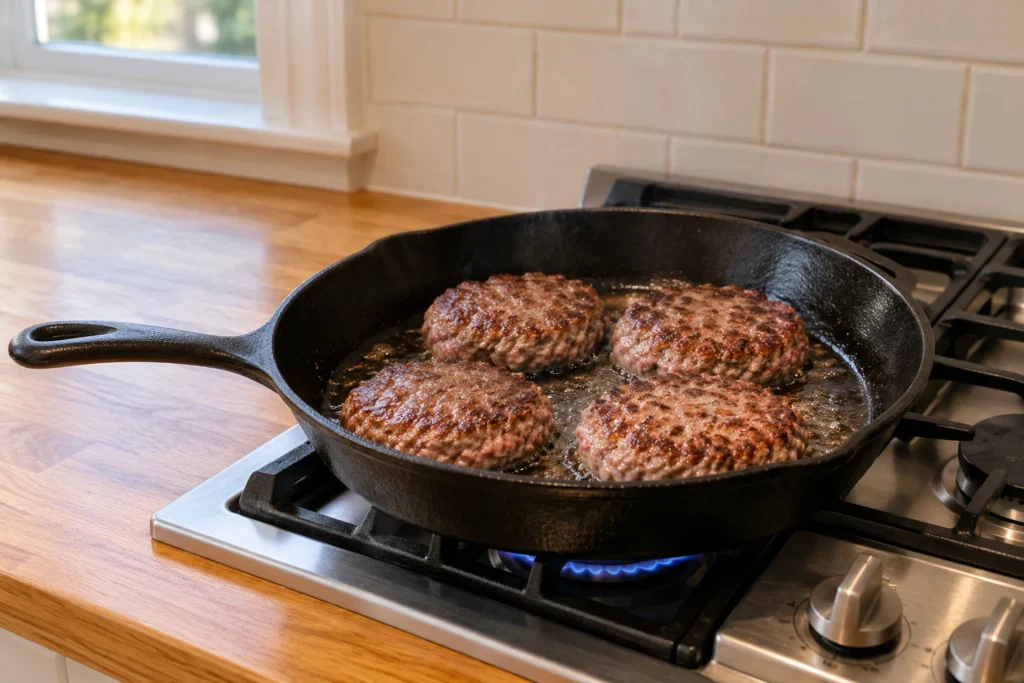
The situations that don’t fit neatly into a meal plan
Eating out without overthinking every menu covers restaurants, fast food, and social situations, the places a meal plan doesn’t reach. How many meals a day actually works addresses a genuinely open question with no single correct answer, just real tradeoffs between one, two, and three meals depending on schedule. Salt and minerals: why you might want more than usual covers a specific, commonly reported adjustment, framed as a practical, food-based pattern rather than a medical claim.
Why this is treated as a routine, not a diet
Most of what’s written about eating mostly animal products online treats it as a program with rules to follow and outcomes to chase. This category treats it as a routine instead, closer to how someone builds a habit around grocery shopping or laundry than how someone follows a medical protocol. That distinction matters practically: a routine adapts to a bad week, a busy schedule, or a specific restaurant without falling apart, while a rigid program treats any deviation as a failure. Every post in this category is built around that more flexible, more sustainable framing.

Mistakes that show up early and derail the whole routine
- Skipping the prep day and cooking from scratch every single meal. This is the single fastest way to make the whole routine feel like too much work within the first couple of weeks.
- Treating every deviation as a failure. A busy week, a travel day, or a meal eaten mostly out of convenience doesn’t undo the routine; it’s just one day within it.
- Under-eating in the first week or two. A plate that used to include a large portion of rice or pasta leaves a real gap in total food volume if the protein portion doesn’t grow to fill it.
- Narrowing down to the same two or three items out of habit. This is what makes the routine boring, not anything inherent to eating this way.
What ties all of this together
| Question | Where to look |
|---|---|
| What should I actually buy? | The full animal-product food list |
| How do I make a normal week manageable? | The prep day and freezer system posts |
| What does a realistic day or week look like? | The day-of-eating and 7-day plan posts |
| What happens outside my own kitchen? | Eating out and meal frequency |
| What’s this actually going to cost? | The real-budget post |
Where to start
Anyone genuinely new to this should start with the food list, then the prep-day system, in that order: knowing what to buy and having a reliable way to turn it into ready meals solves most of the early friction before it becomes a reason to quit. The 7-day plan is the natural next step once those two pieces are in place, with the budget, eating-out, and meal-frequency posts worth returning to as specific situations actually come up, rather than reading all at once before starting.
This is practical lifestyle and logistics guidance, not medical or nutrition advice, and it makes no claims about health outcomes. Anyone with specific dietary needs or a medical condition should talk to their own doctor before making significant changes to how they eat.
Visual steps
