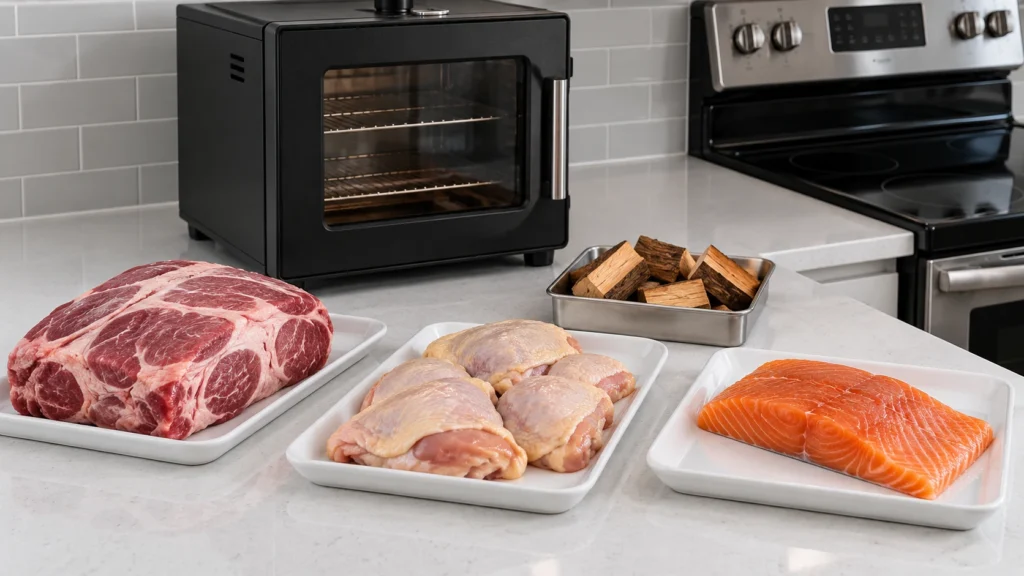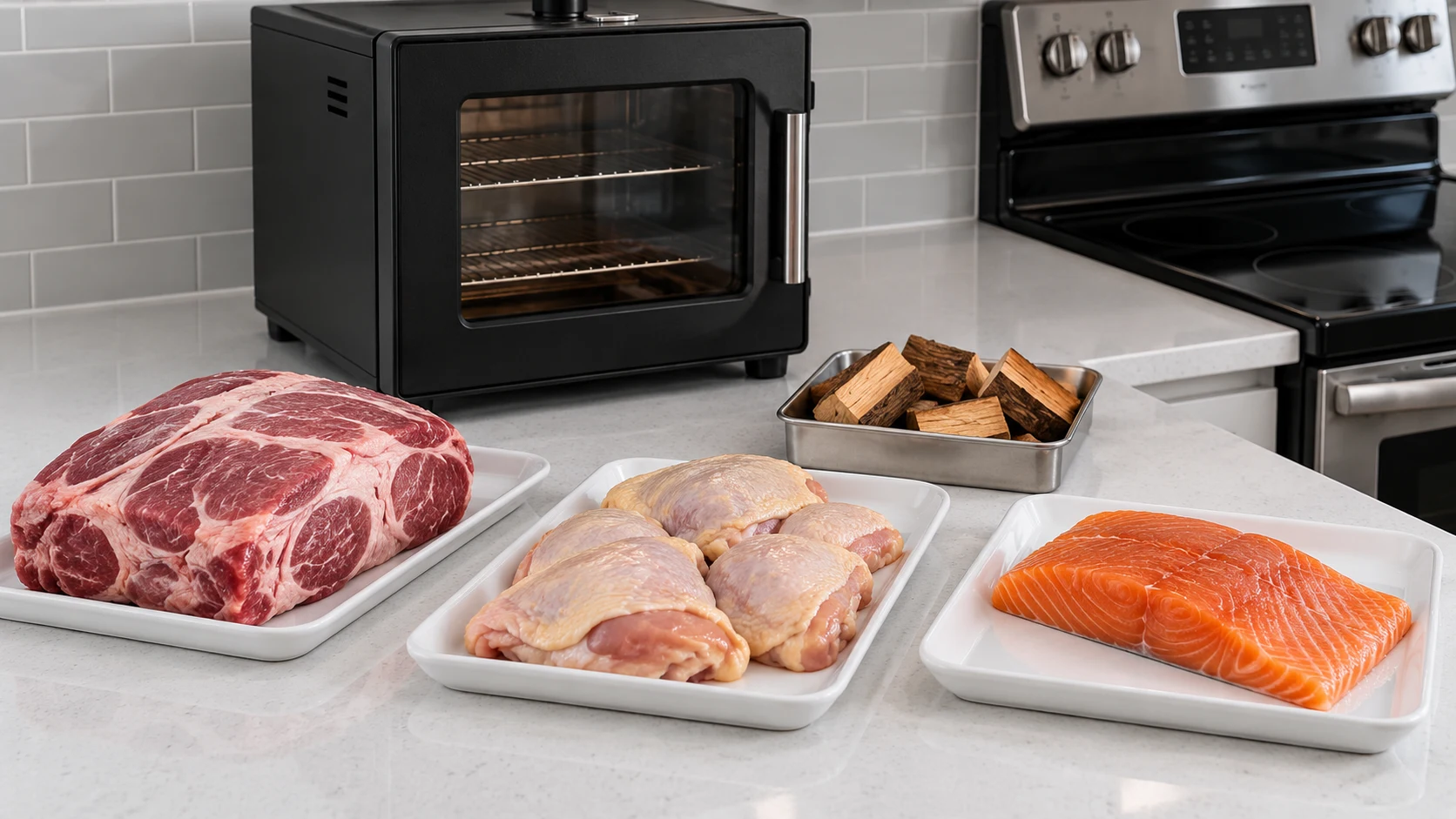
Most smoking guides spend their time on temperature and timing, and for good reason. But once you have a smoker running steady and you understand the basics of managing heat, the wood itself becomes the biggest variable left on the table. Two people can run the same smoker at the same temperature for the same number of hours and end up with completely different results, because one used mesquite and the other used apple. This is not about how to smoke. It is about which wood to put in the smoker and why it matters as much as it does.
What wood is actually doing when it smokes
Wood is made mostly of cellulose, hemicellulose, and lignin. When wood burns cleanly, cellulose and hemicellulose break down into simple compounds that contribute some flavor but burn off quickly. Lignin is the slower-burning, denser part of the wood, and it is responsible for most of the smoky flavor you taste. As lignin breaks down under heat, it releases phenolic compounds, including guaiacol and syringol, which are the molecules behind that classic smoky, slightly sweet, slightly medicinal smell and taste.
The ratio of lignin to cellulose, along with the wood’s natural sugar and resin content, is what makes one species taste different from another. Hickory has a dense, lignin-heavy structure that produces a strong, assertive smoke. Fruit woods like apple and cherry burn with more sugar content and less lignin intensity, producing a lighter, sweeter result. None of this requires a chemistry background to use well. It just explains why swapping wood changes more than people expect.
The main wood categories and what they actually taste like
Hickory is the wood most people picture when they think of barbecue. It produces a strong, bacon-like, slightly sweet smoke that can dominate a dish if used heavily. It is forgiving on thick cuts that cook for many hours, like pork shoulder or brisket, because the meat has time to absorb the smoke without it turning bitter. Used on something delicate like chicken breast or fish, it can overwhelm the meat in under an hour.
Mesquite burns hot and fast, and its smoke is the most intense of the commonly available woods. It has a sharp, earthy flavor that some people describe as almost tar-like when overused. Mesquite is the wood most responsible for the complaint “my smoked food tastes bitter,” because it goes from pleasant to acrid faster than any other common wood. It works best in small amounts, or mixed with a milder wood, and suits quick-cooking cuts like steak or thin cuts of beef rather than an all-day smoke.
Oak sits in the middle. It burns long and steady, with a medium smoke intensity that does not announce itself the way hickory or mesquite does. This makes it a safe default for long cooks, especially brisket, where pitmasters want hours of consistent heat without a smoke flavor that fights the meat.
Apple, cherry, and peach are the fruit woods, and they share a mild, sweet smoke with a slight fruitiness that is noticeable but never sharp. Cherry also tends to give poultry and pork skin a reddish tint, which is a cosmetic effect rather than a flavor one. These woods suit poultry, pork ribs, and fish, where a heavier wood would compete with the meat instead of supporting it.
Pecan is a milder, sweeter relative of hickory. It gives some of the same nutty character without the intensity, which makes it a middle option for people who find straight hickory too strong but want more presence than a fruit wood offers.
Maple produces a mild, slightly sweet smoke, lighter than oak and closer to the fruit woods in strength. It works well on poultry and vegetables and rarely overpowers anything it touches.
Wood comparison at a glance
| Wood | Smoke intensity | Best paired with | Typical burn |
|---|---|---|---|
| Hickory | Strong | Pork shoulder, ribs, brisket | Long, steady |
| Mesquite | Very strong | Steak, quick-cooking beef | Hot, fast |
| Oak | Medium | Brisket, long cooks of any meat | Long, steady |
| Pecan | Medium-mild | Pork, poultry | Long, steady |
| Apple | Mild, sweet | Poultry, pork ribs, fish | Moderate |
| Cherry | Mild, sweet | Poultry, pork, beef (as an accent) | Moderate |
| Maple | Mild | Poultry, vegetables | Moderate |
Matching wood to the meat you are actually cooking
Beef, especially brisket, can carry a strong wood without being overwhelmed, since the long cook time and thick fat cap buffer the meat from the smoke somewhat. Oak and hickory are the standard choices here, with mesquite reserved for shorter cooks like a smoked tri-tip or steak rather than a twelve-hour brisket.
Pork, whether shoulder, ribs, or loin, pairs well with almost anything, which is why hickory became associated with barbecue in the first place. Fruit woods are just as valid here and give a lighter, sweeter result that some people prefer on ribs specifically.
Poultry is where wood choice matters most, because chicken and turkey have a milder flavor to begin with and a shorter cook time to absorb smoke. A heavy wood like hickory or mesquite can leave poultry tasting bitter on the skin before the meat itself is even cooked through. Fruit woods, pecan, or maple are the better match, and this is also where a mix, like apple with a small amount of hickory, tends to work better than either wood alone.
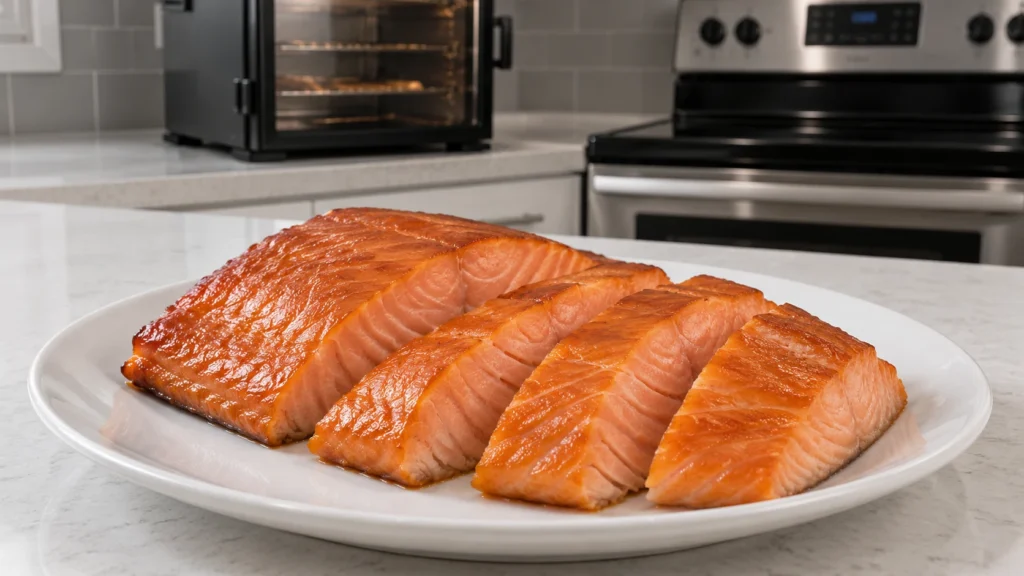
Fish and shellfish need the lightest hand of all. A mild fruit wood or alder is standard for salmon and other fish, since fish cooks fast and has delicate natural flavor that a strong wood will flatten rather than complement.
Chunks, chips, pellets, and logs are not interchangeable
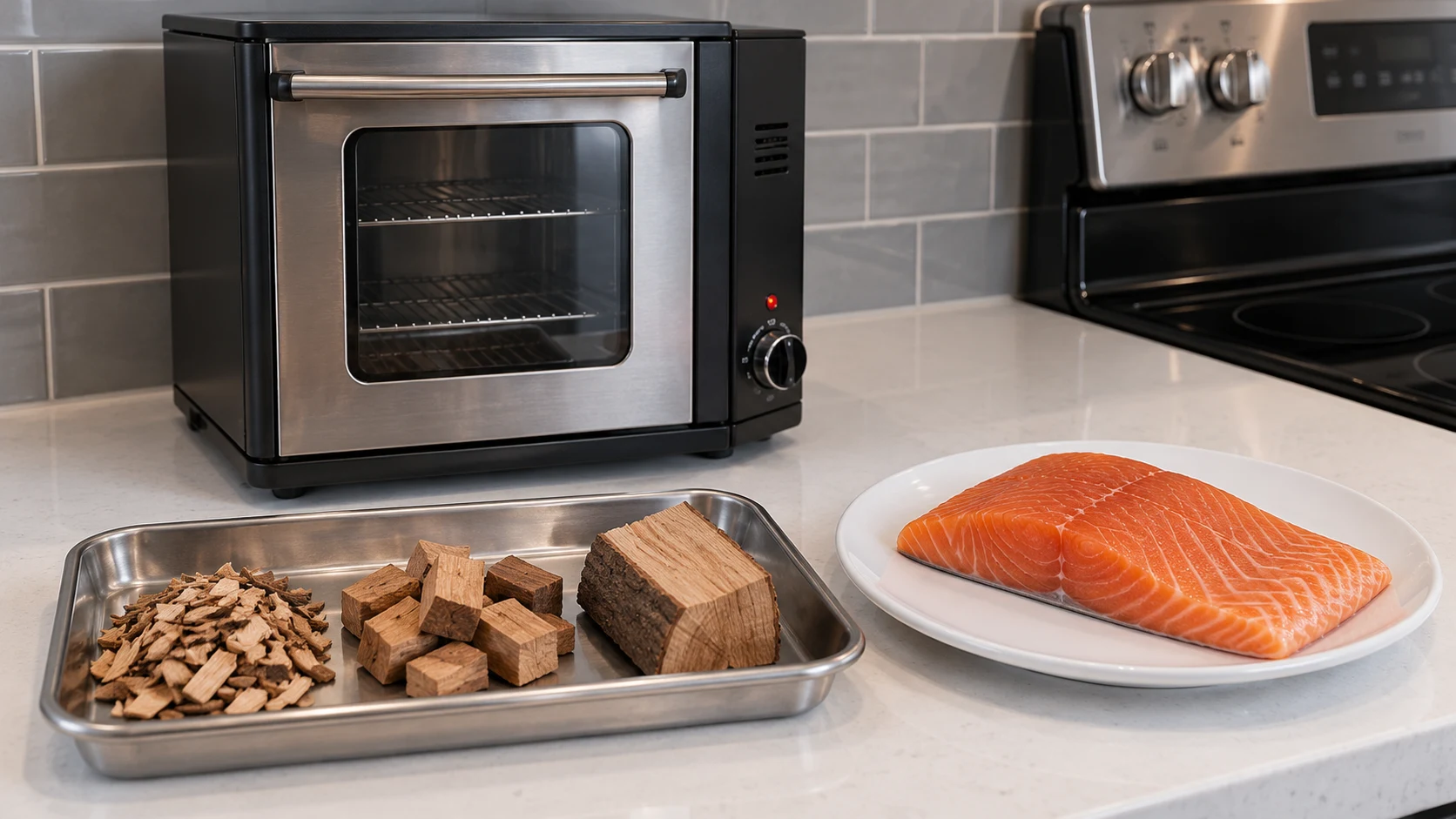
Wood chunks, roughly fist-sized pieces, are the standard for charcoal and offset smokers. They burn slowly and smolder for a long time, which makes them easier to manage over a multi-hour cook without constant refilling.
Wood chips burn fast and are better suited to shorter cooks or gas and electric smokers with a dedicated chip tray. Because they burn through quickly, they need to be replenished more often, and soaking them in water before use is a common but largely cosmetic step. Soaked chips mostly produce steam for the first few minutes rather than extra smoke, since wood does not absorb much water in a short soak.

Wood pellets are compressed sawdust with no additional binders in food-grade pellets, and they are made specifically for pellet smokers, which use an auger to feed them into a firepot automatically. They burn efficiently and give consistent smoke output, which is part of why pellet smokers are popular with people who want less hands-on fire management.
Whole logs are mainly used in offset smokers built for wood-only fires, where the log itself is the heat source as well as the smoke source. This takes more skill to manage than chunks or pellets, since the fire needs to be built and fed correctly to avoid temperature swings.

Seasoned wood versus green wood
Moisture content changes how any wood burns, regardless of species. Freshly cut, or “green,” wood can hold forty percent or more of its weight in water, and that water has to boil off before the wood can burn cleanly. Until it does, the fire spends its energy producing steam and thick, heavy smoke instead of the thin blue smoke that actually tastes good. Properly seasoned wood, air-dried for several months to a year depending on the species and climate, burns hotter and cleaner because there is far less water left to fight through.
Commercially sold smoking chunks and chips are usually seasoned or kiln-dried already, which is one reason they are a safer default for anyone unsure about moisture content. If you are cutting and storing your own wood from a fruit tree or an oak that came down in a storm, give it real time to dry in a covered, ventilated space before using it, and split it so more surface area is exposed to air. Wood that still feels heavy for its size, or that hisses and pops heavily when it hits the fire, has not dried enough yet.
Mixing woods instead of choosing just one
Blending two woods is a standard way to get a middle-ground flavor rather than committing fully to one extreme. A common combination is a strong wood used sparingly alongside a mild one used as the base, which gives some depth without the risk of the strong wood taking over. Oak as a steady base with a smaller amount of hickory added partway through a long cook is a typical brisket approach. Apple or cherry mixed with a small amount of hickory is a common choice for ribs, giving some sweetness alongside a more familiar barbecue character.
There is no fixed ratio that works for everyone, since smoker design, airflow, and personal taste all affect the outcome. A reasonable starting point is to use the milder wood as most of the fuel and add the stronger wood in small handfuls partway through the cook, tasting or checking the smoke color as you go, rather than mixing a large batch up front and hoping it balances out.
Regional pairings worth knowing
Wood choice is not purely a flavor preference. It also reflects what grew locally near the barbecue traditions that popularized it. Central Texas brisket is tied to post oak because that is the wood that was available and plentiful in the region, not because oak is objectively the only correct choice for beef. Memphis and Carolina-style pork barbecue leans on hickory for the same reason: it was the common hardwood on hand. Knowing this history is less important than what it implies, which is that there is no single “correct” wood for a given meat. The pairings described earlier in this article are starting points based on how intensity matches cook time and fat content, not rules carved into the meat itself. Once you understand why oak suits a long beef cook and why a fruit wood suits quick poultry, you can reasonably substitute based on what you have access to.
Wood you should never put in a smoker
Softwoods like pine, cedar, fir, spruce, and redwood contain high levels of resin and sap. Burning them produces thick, acrid smoke loaded with volatile compounds that give food a harsh, chemical taste and are not something you want to inhale repeatedly or eat. Extension services that cover home smoking and grilling, including Clemson Cooperative Extension, specifically advise against using softwoods for smoking food for this reason.
Treated lumber, painted or stained wood, and wood of unknown origin, including most pallets, are also off limits. Pressure-treated lumber can contain chemical preservatives that release toxic fumes when burned, and painted or finished wood carries whatever is in that coating straight into the smoke. If you do not know exactly what a piece of wood is and how it was treated, it does not belong in a smoker.
How to tell if you are using too much
The color and thickness of the smoke coming off the fire tells you more than the type of wood does. Thin, almost transparent blue-gray smoke means the wood is burning cleanly and the flavor it produces will be balanced. Thick, white or gray smoke billowing out means the fire is smoldering rather than burning properly, and that kind of smoke is what leaves food with a bitter, sooty coating rather than a pleasant smoky flavor.

If food consistently comes out tasting harsh or bitter regardless of cook time, the usual causes are too much wood added at once, wood that is too green or too wet, or not enough airflow to let the fire burn hot and clean. Adding a small amount of wood steadily over the course of a long cook, rather than loading the smoker up front, generally produces a more balanced result than any single wood choice can fix on its own.
It also helps to separate two different problems that get blamed on wood choice but are not actually about the wood at all. A bitter, sooty exterior with a pale or underdone interior usually points to temperature control, not wood type, since the fire never got hot enough to burn clean before the surface absorbed too much smoke. A bitter flavor throughout the meat, even when the exterior looks fine, is more likely a wood or airflow issue. Changing species before ruling out temperature just hides the real problem under a different wood.
If you can only keep one wood on hand
Most people do not want to stock five species of wood for occasional weekend cooking, and a single reasonable default covers most situations. Oak is the safest all-purpose choice: medium intensity, a long and steady burn, and a flavor that pairs acceptably with beef, pork, and poultry without overwhelming any of them. It will not be the single best choice for any one meat, since a fruit wood will always suit poultry slightly better and hickory will always read as more traditional on pork, but it will not ruin anything either, which matters more for someone still learning how their specific smoker behaves.
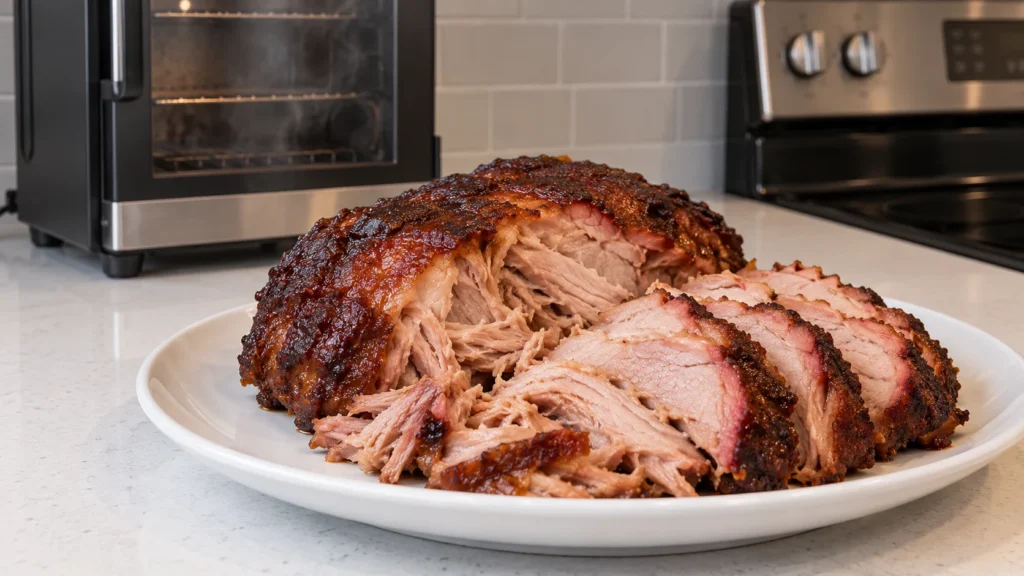
Once oak, or whatever your base wood is, stops being the limiting factor and you are consistently hitting clean thin blue smoke and steady temperatures, that is the point where branching out to hickory for pork, mesquite in small doses for steak, or a fruit wood for poultry and fish starts to produce a noticeably different result rather than just a different label on the same outcome. If you are still getting comfortable with the basics of running a smoker, start with the first thing to smoke if you have never used a smoker before worrying about wood selection at all. And if brisket is the cook you are working toward, wood choice matters far less than getting temperature and time right first.
Visual steps