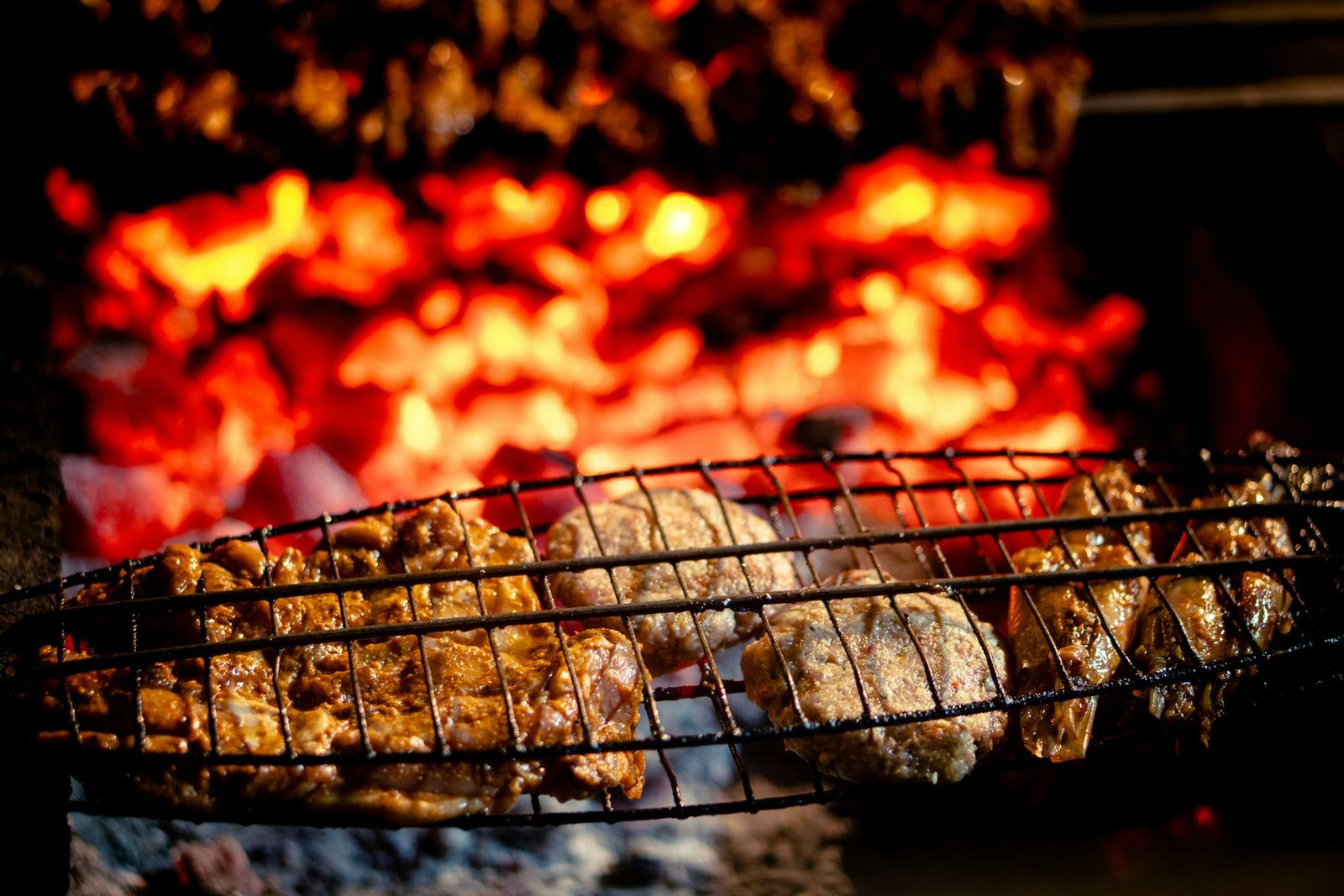
The most useful thing you can do to a grill is leave half of it empty. It feels wrong, giving up cooking space on purpose, but a grill with a hot side and a cool side solves most of the problems that make grilling frustrating. Build your fire on one side only, or light just half your burners, and you have two zones: direct heat for browning, indirect heat for everything else. That single setup quietly fixes four separate failures.
It fixes burnt outsides and raw insides
The most common grill disaster is a piece of meat charred on the outside and raw in the middle, because a single blazing surface cooks the exterior far faster than the heat can reach the center. Two zones let you separate the two jobs. Sear over the direct side for color, then move the meat to the cool side and let it come up to temperature gently with the lid down, roasting rather than scorching. Thick chops, bone-in chicken, and anything more than an inch or so thick stop being a gamble.
It gives flare-ups somewhere to run
Fat drips, flames leap, and suddenly dinner is coated in acrid soot. Over a fully lit grill there is nowhere to escape. With a two-zone fire, the cool side is a safe harbor: when flames flare, you simply move the food away from the fire until they die down, then move it back. The problem that ruins so much grilled meat becomes a non-event because there is always somewhere with no fire underneath.
It keeps sauce from burning
Most barbecue sauces are full of sugar, and sugar burns fast over direct heat, turning bitter and black long before the meat is done. This is why sauced ribs and chicken so often char. The two-zone answer is to cook over indirect heat and apply sauce there, or only move sauced food over the flame briefly at the very end to set it. The cool side lets sugar caramelize slowly instead of scorching, which is the difference between glossy and burnt.
It turns your grill into an oven
With the lid down and the food on the unlit side, a two-zone grill behaves like an oven, surrounding the food with steady, indirect heat. That opens up everything that does not want to sit directly over flames: a whole chicken, a rack that needs a long gentle cook, a roast you want to bring up slowly before a final sear. The empty half of the grill is what makes this possible. Without it, you only have one setting, and it is too hot for most of what you actually want to cook.
Give up the space
One setup, four problems solved: even cooking, flare control, unburnt sauce, and an oven when you need one. All it costs is half the grate, and you were probably burning things on that half anyway. Build the fire on one side, keep the other clear, and grilling stops being a scramble to pull food off before it chars.