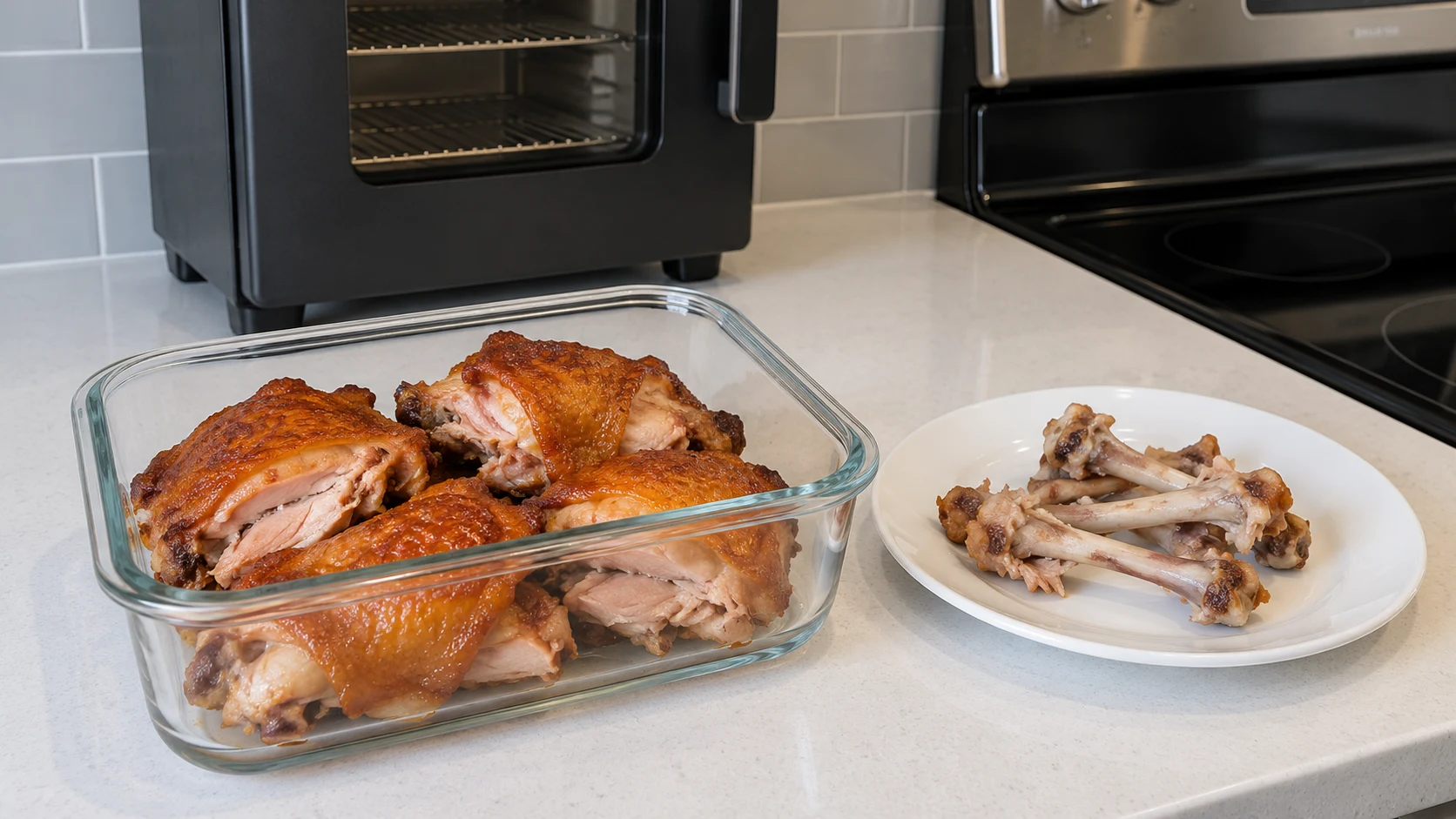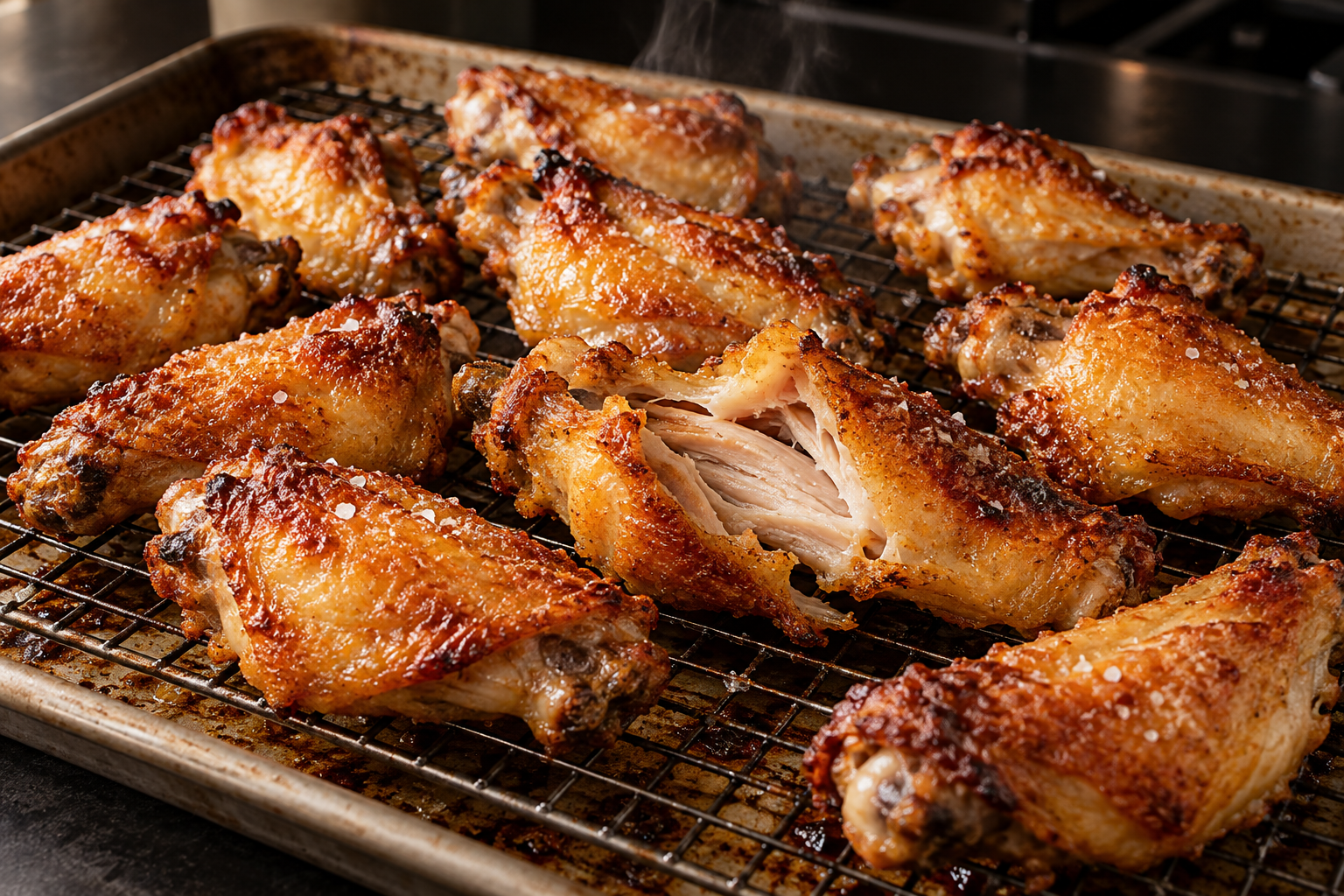
Soggy wings are not bad luck. Chicken skin carries water and fat, and trapped moisture keeps it flexible long after the meat starts cooking. Crisp wings come from controlling that moisture before the heat, leaving space around every piece during the cook, and protecting the skin after it has browned. Salt, chicken, heat, and patience are enough.
The three-stage crisping plan
| Stage | Useful move | Problem it prevents |
|---|---|---|
| Before | Dry, salt, and refrigerate uncovered on a rack | Surface water delaying browning |
| During | Use strong heat with space between pieces | Wings steaming in trapped moisture |
| After | Rest uncovered and serve promptly | The crisp skin softening again |
Before: make the skin feel dry
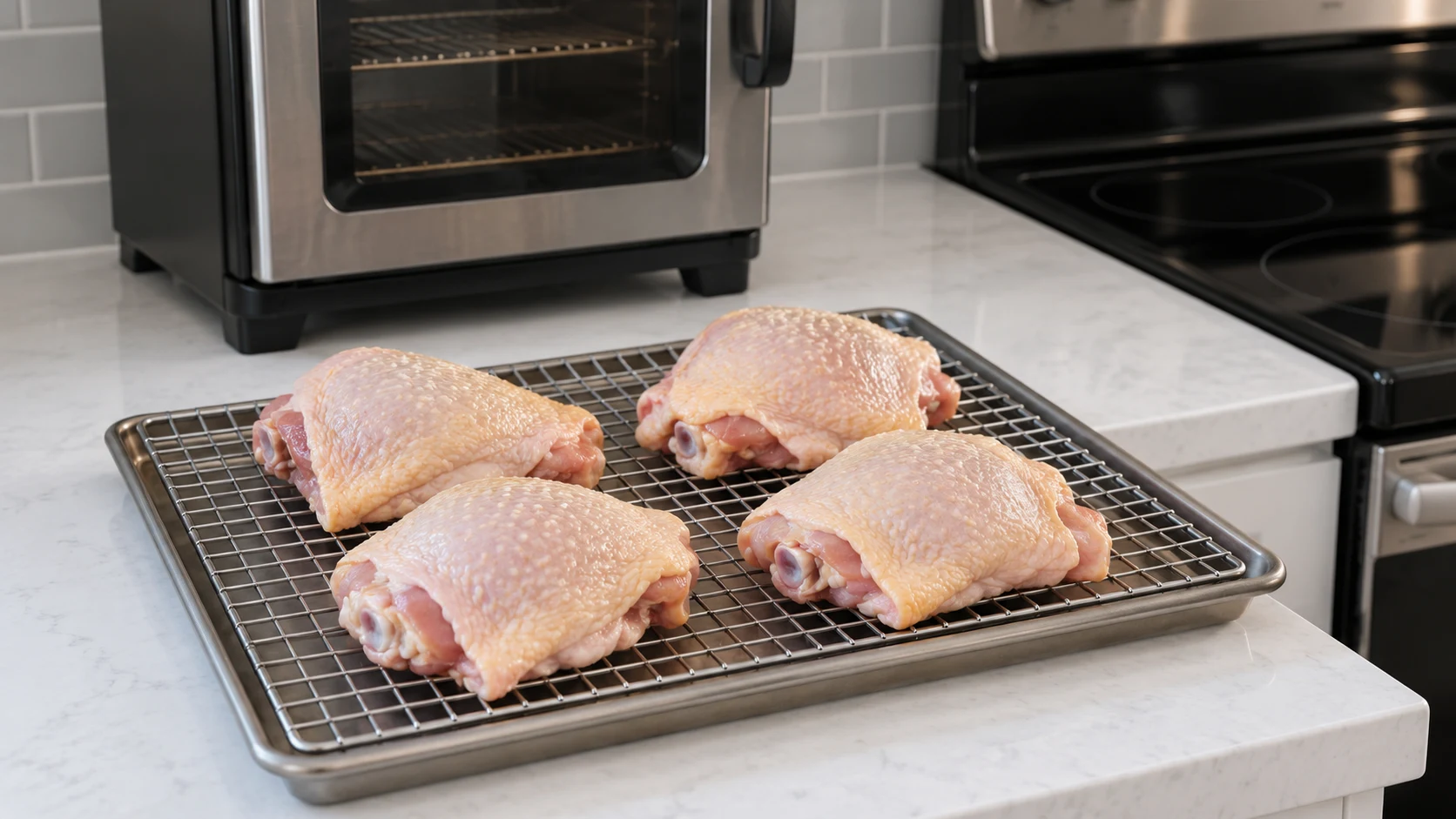
Pat every wing thoroughly dry. Better still, set the wings on a rack over a tray, salt them evenly, and refrigerate them uncovered for several hours or overnight. Cold circulating air dehydrates the skin while the salt seasons the meat. Before cooking, blot any remaining wet patches. The outside should feel dry and slightly tacky rather than glossy.
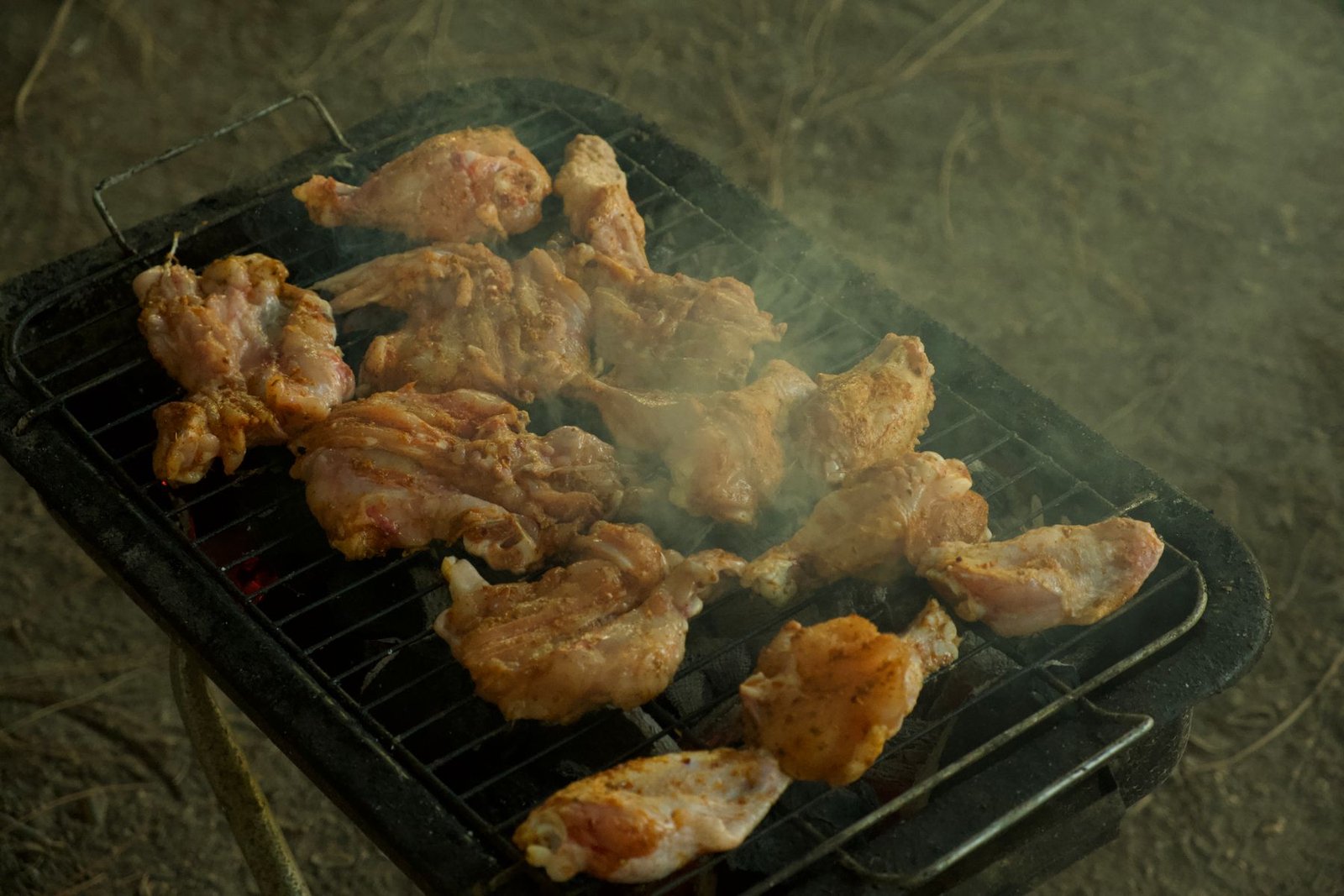
This is the same moisture problem that stands between a steak and a real brown crust. Heat cannot brown the surface efficiently until free water has boiled away. Removing some of it in the refrigerator gives the skin a head start.
During: heat cannot fix crowding
- Arrange wings in one layer with visible gaps between them.
- Use a rack when roasting so hot air can reach the underside.
- Keep rendered fat from pooling around the skin.
- Turn only when needed so the surface has time to brown.
- Cook in batches rather than filling every centimetre of the tray.
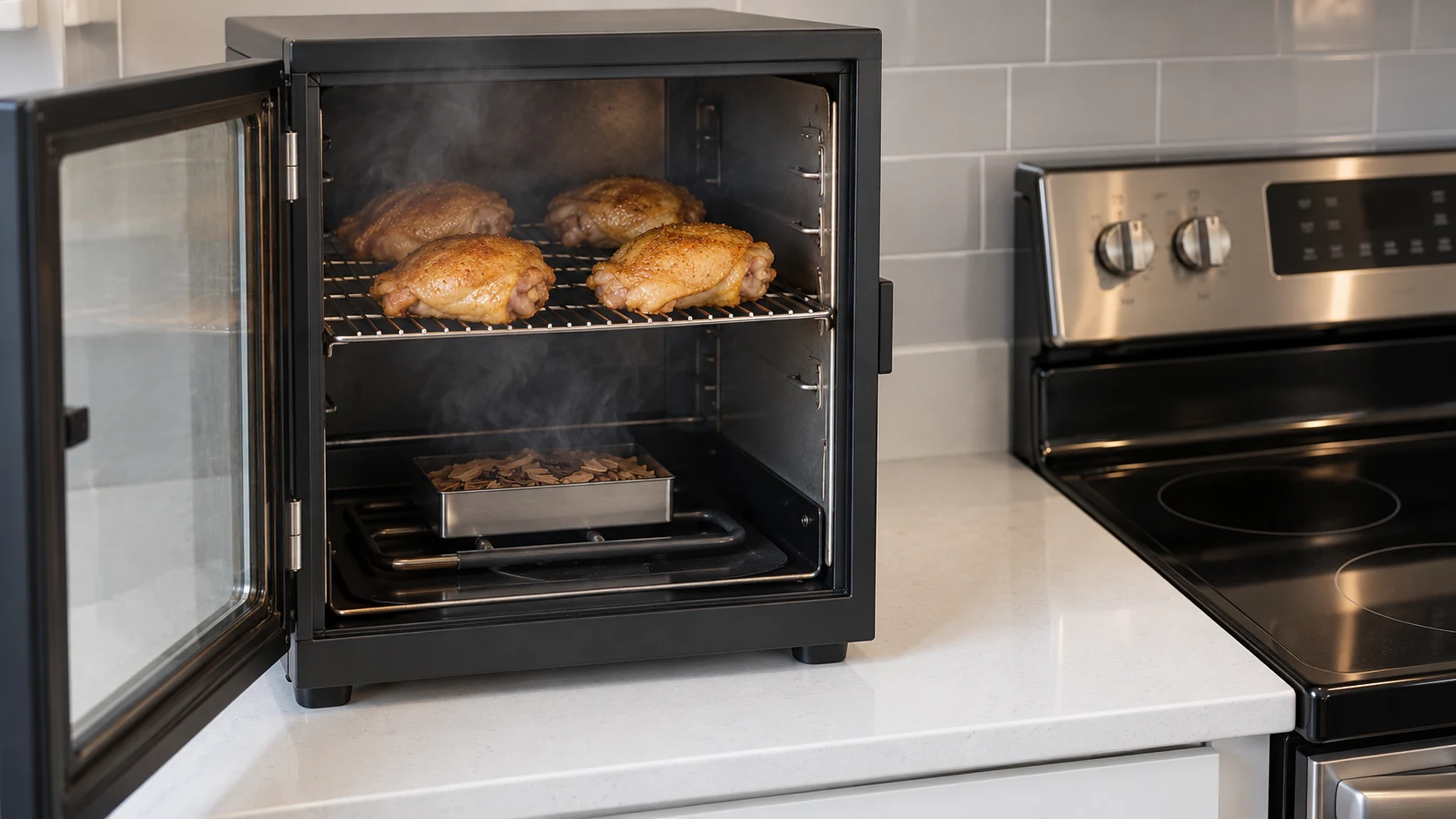
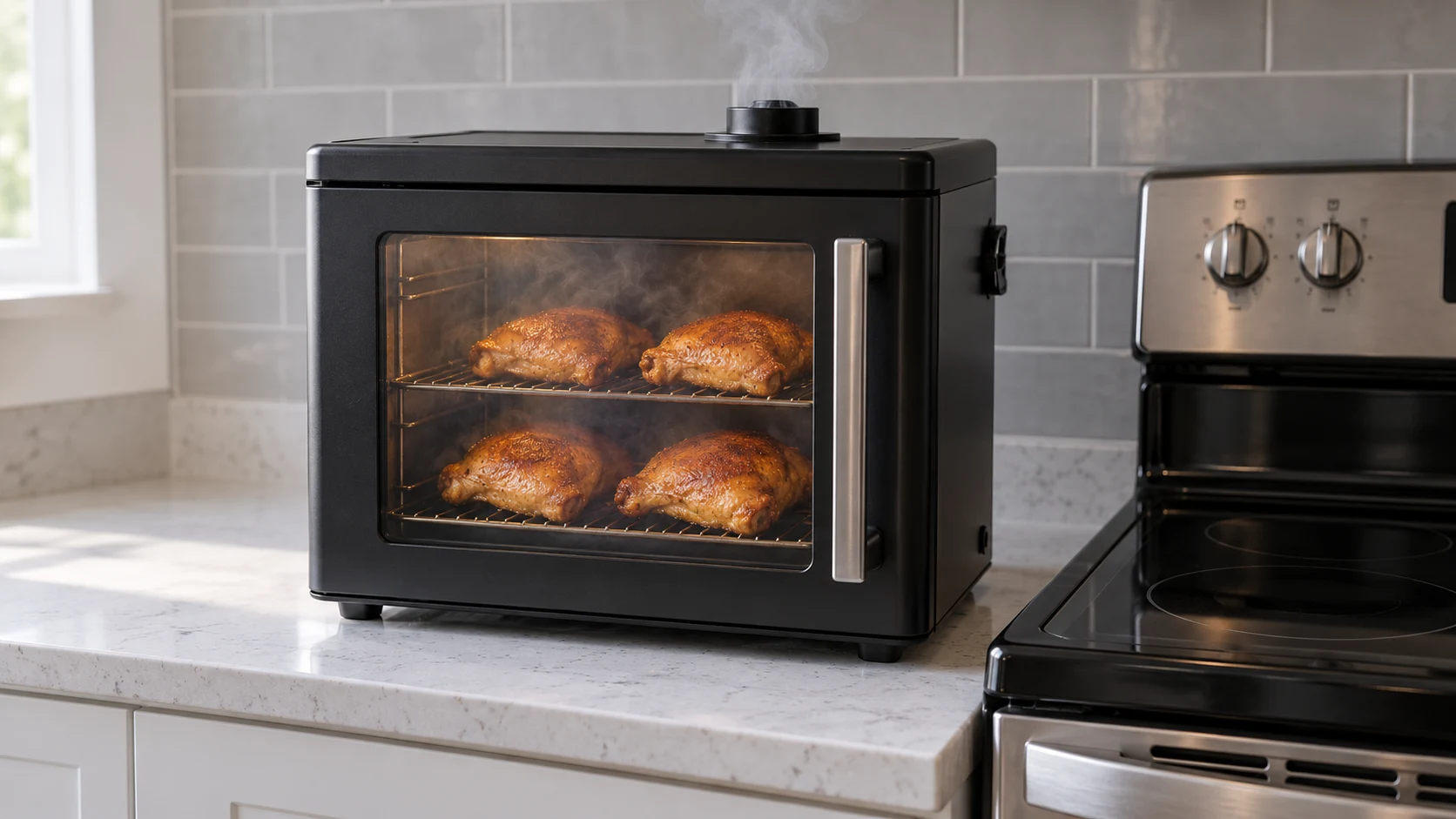
Whether the heat comes from an oven or an air fryer, escaping steam needs somewhere to go. Crowded wings create a humid pocket and cook one another gently. Spacing makes each piece behave like an individual roast. If the tray is small, a second batch will usually beat one overloaded batch.
If the skin is still soft, diagnose the moisture
- Pale all over: the heat was too gentle or the wings went in wet.
- Brown on top, soft below: rendered fat pooled under the pieces.
- Crisp edges, soft centres: the tray was crowded or the pieces touched.
- Crisp from the heat, soft on the plate: the finished wings were stacked or covered.
Change one variable on the next batch instead of adding more ingredients. A drier start, wider spacing, or a rack usually fixes the actual problem and keeps the chicken flavour at the centre.
Use temperature for safety, texture for the finish
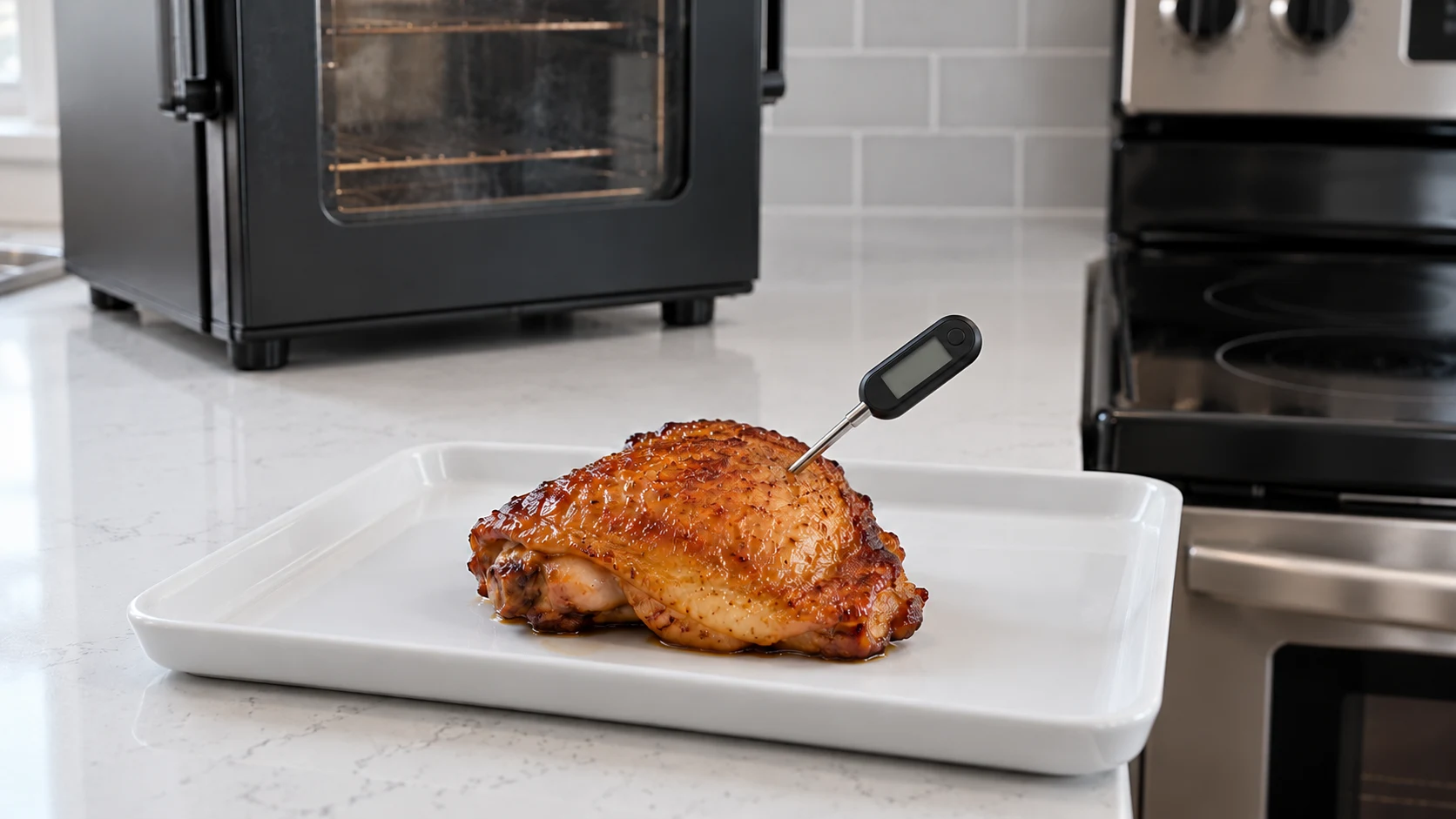
USDA guidance sets 165°F as the safe minimum for wings and all other poultry. Check the thickest section without touching bone. Wings often become more tender above that point because their connective tissue has had more time to soften, but the exact finish is a texture choice after the safe minimum has been confirmed.
After: protect what you built
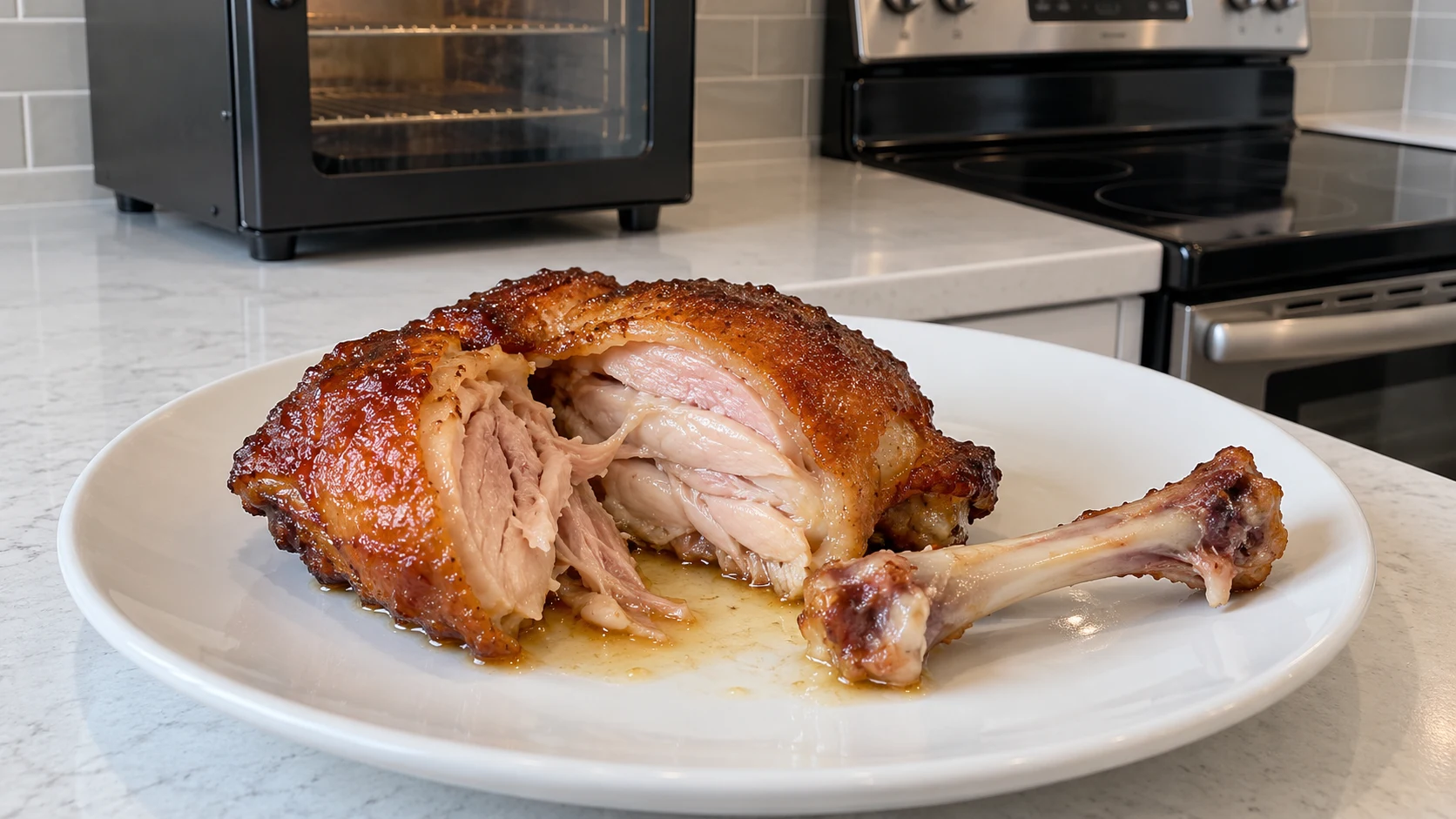
Move finished wings to a clean rack instead of stacking them in a bowl, where rising steam softens the lower pieces. Serve promptly with salt, warm tallow, or their own rendered juices if they need a final touch. Crisp skin is temporary by nature; the goal is to carry it from the heat to the plate without trapping it in moisture again.
Food-safety source: USDA Food Safety and Inspection Service thermometer guidance. Chicken wings should reach at least 165°F.