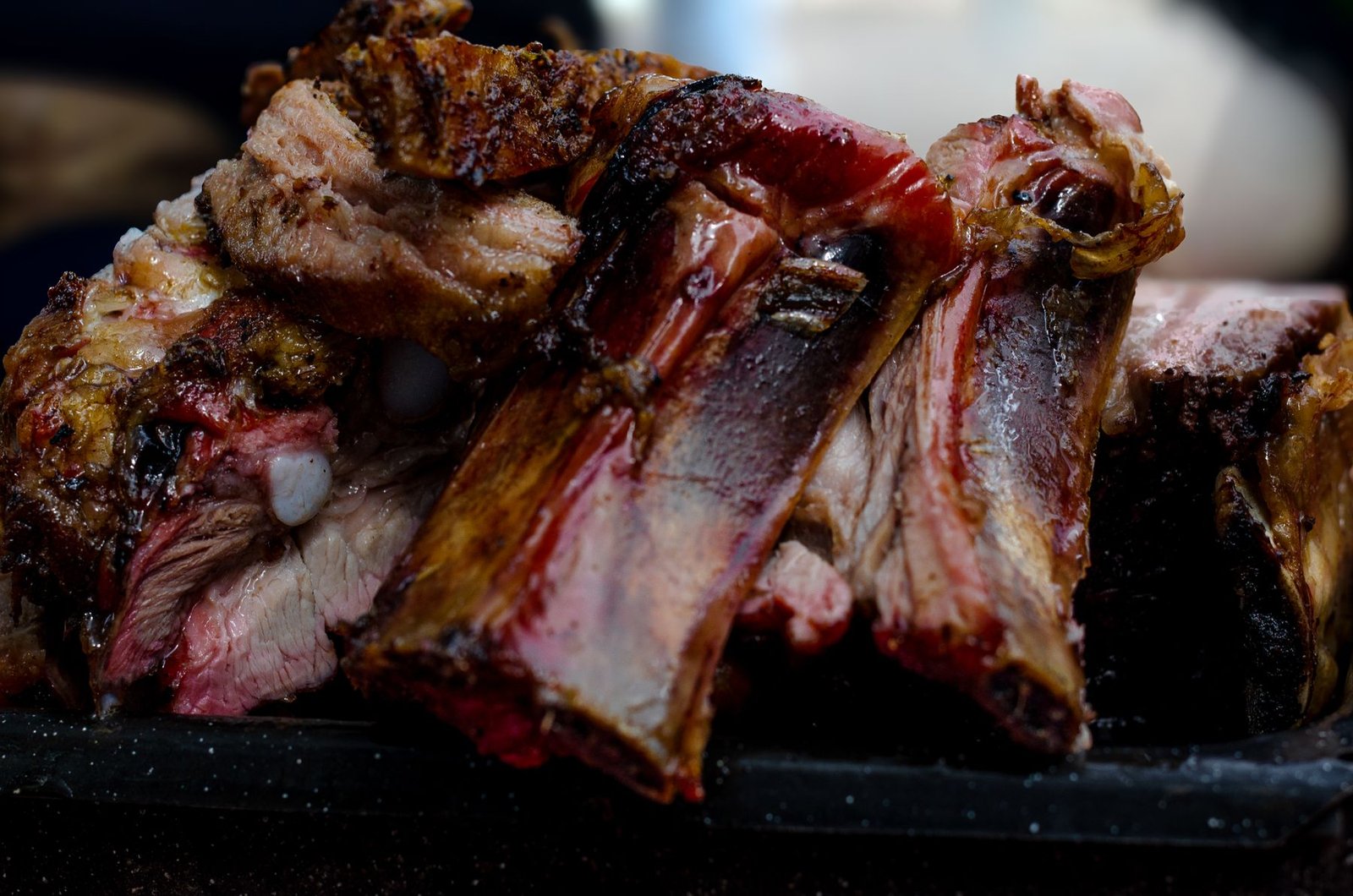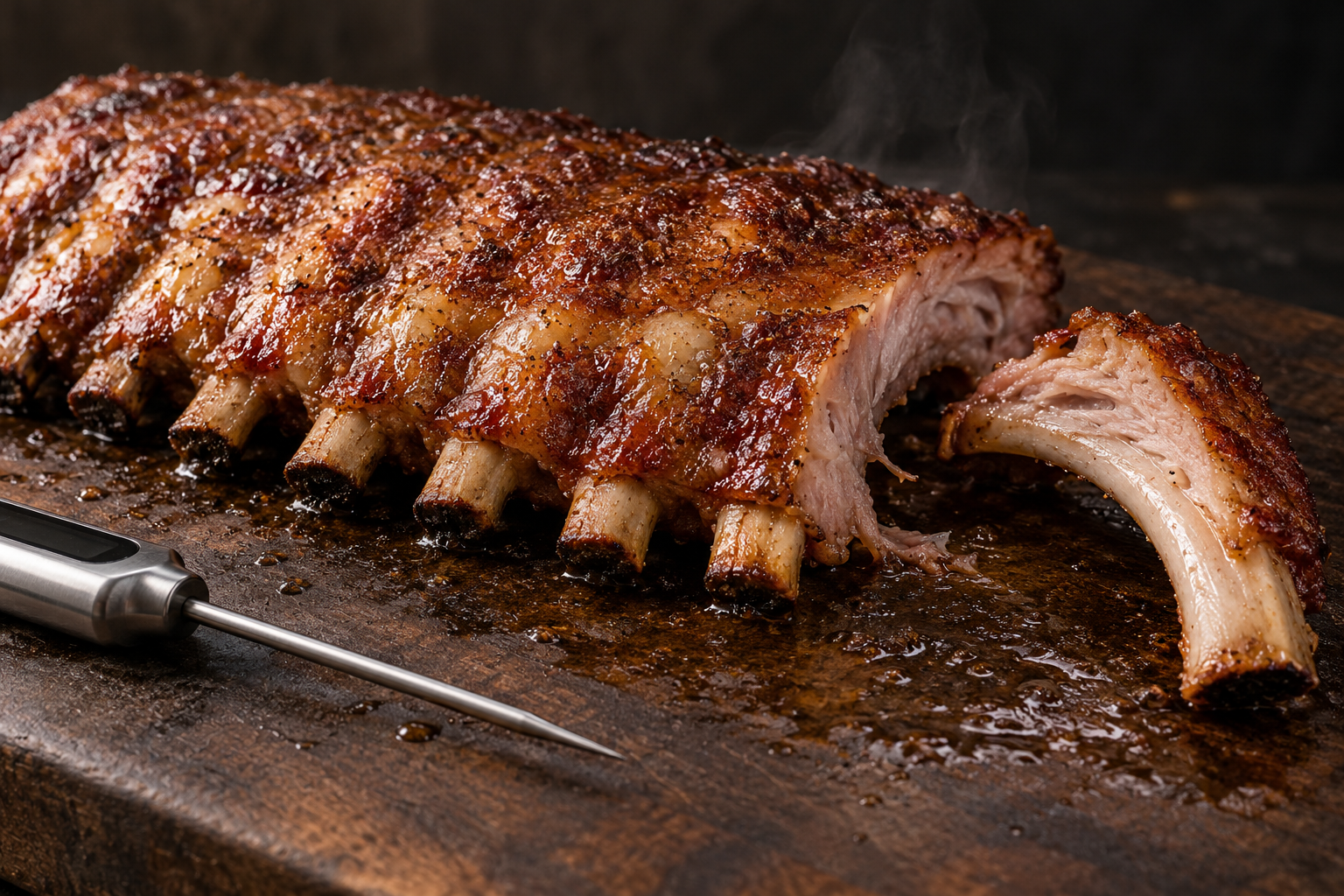
Ribs do not finish on a schedule, which is why recipes that promise a rack in exactly three hours set you up to fail. Two racks of the same weight can be ready an hour apart depending on how meaty they are, how your oven or grill actually runs, and how much connective tissue they started with. The rack itself will tell you when it is done, in several ways, and every one of them beats a timer. Learn to read them and you can stop guessing.
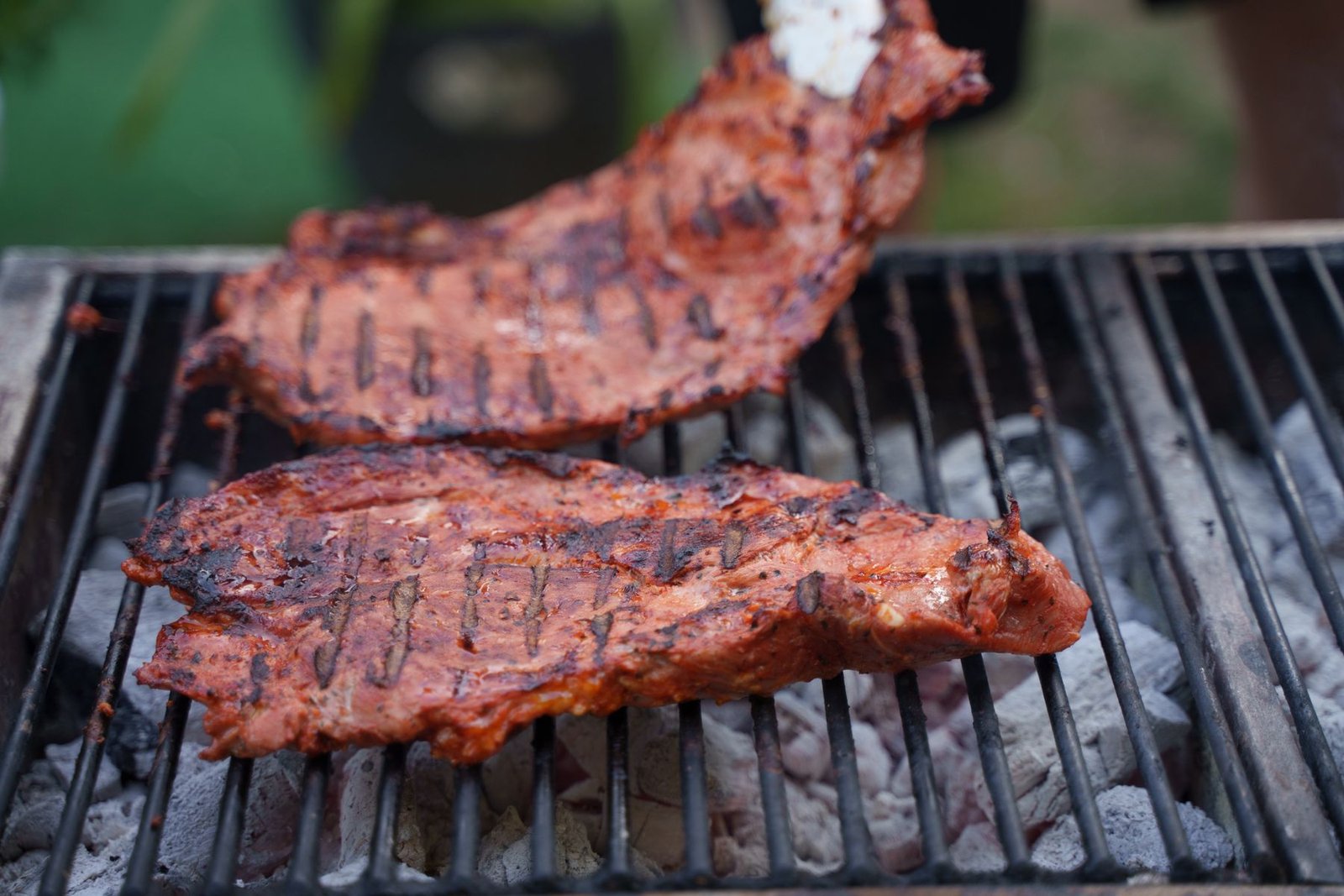
The bend test
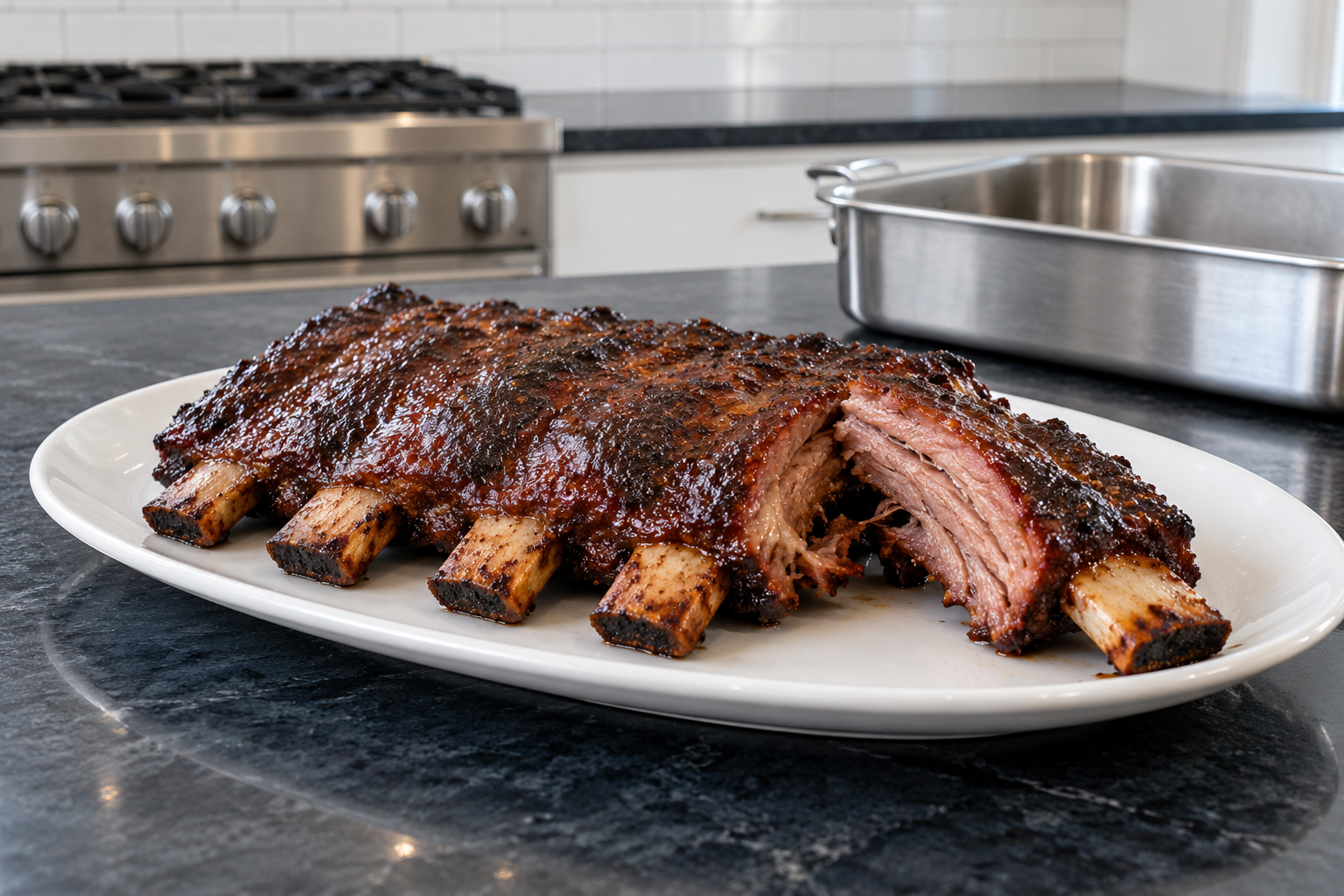
Pick the rack up with tongs from one end and let it hang. A rack that still has work to do stays stiff and holds its shape. A finished rack droops under its own weight and the surface between the bones starts to crack and split open. If you can bounce it gently and the meat looks like it wants to tear apart, it is there. This is the fastest read you have, and it takes two seconds without any tools.
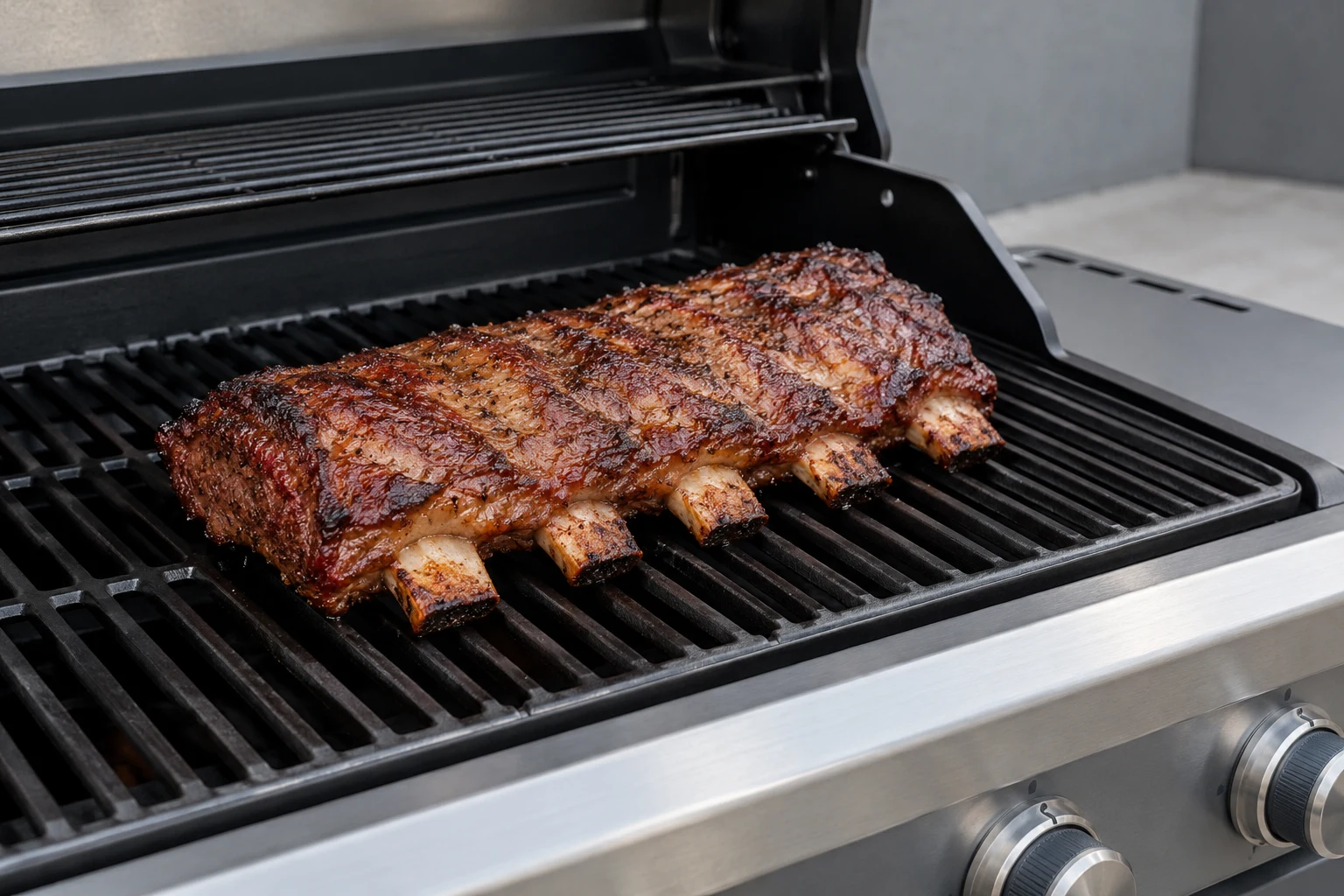
The probe or toothpick test
Slide a toothpick, a skewer, or an instant-read probe into the meat between two bones. When the ribs are done, it goes in and pulls out with almost no resistance, the way a probe slides through softened butter. If it drags or catches, the connective tissue has not finished breaking down and the ribs need more time. This test is more precise than the bend and works well when a rack is hard to lift, like a big one on a crowded grill.
Bone pull-back and the twist
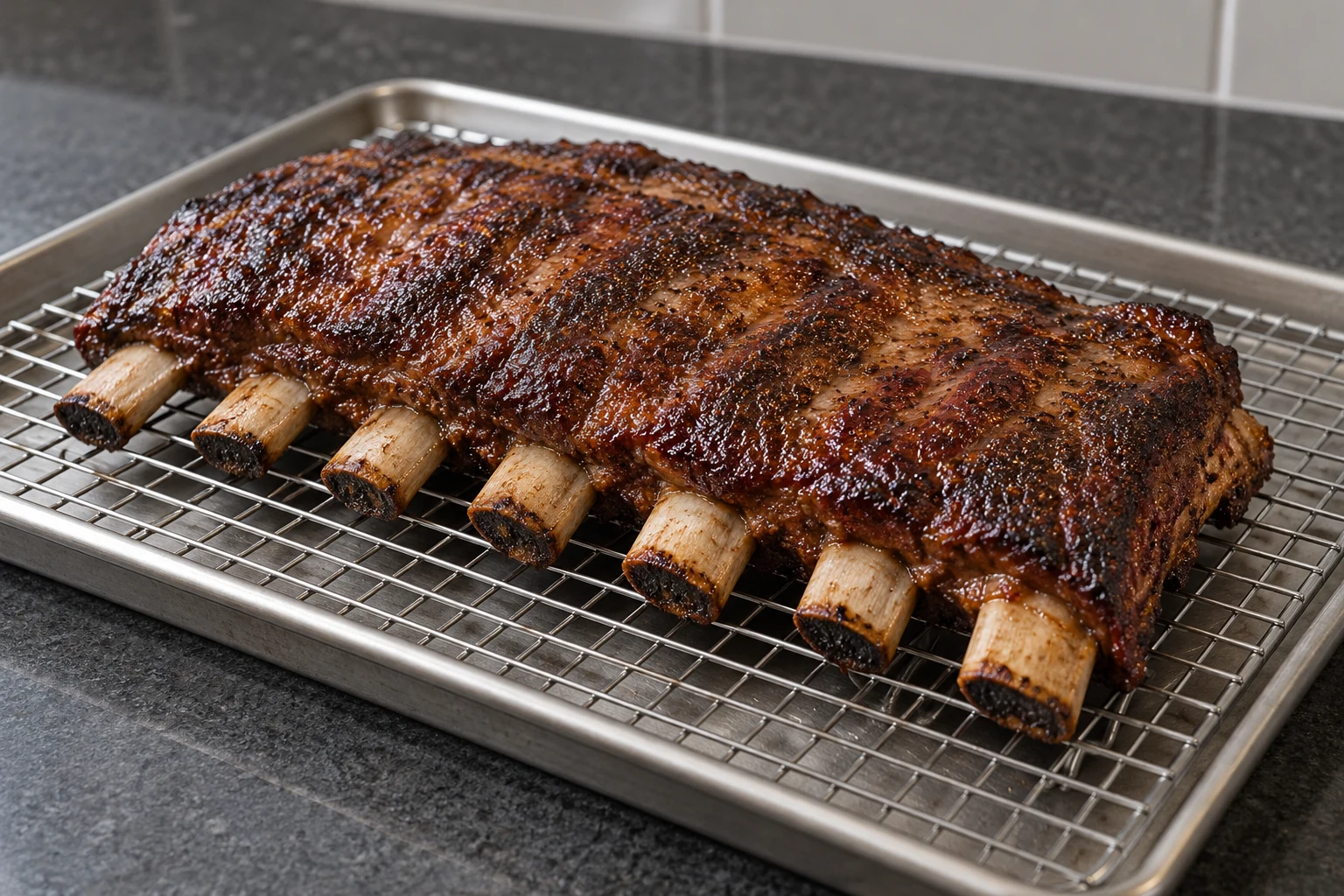
As ribs cook, the meat shrinks back from the ends of the bones, exposing anywhere from a quarter inch to more. Visible bone tips are a good sign the rack is getting close, though on their own they are not proof. The surer version of the same idea is the twist: take hold of one bone in the middle of the rack and turn it. On a finished rack it rotates freely and feels like it would slip out of the meat with a little coaxing. On an underdone one it is still locked in place.
Why the clock lies
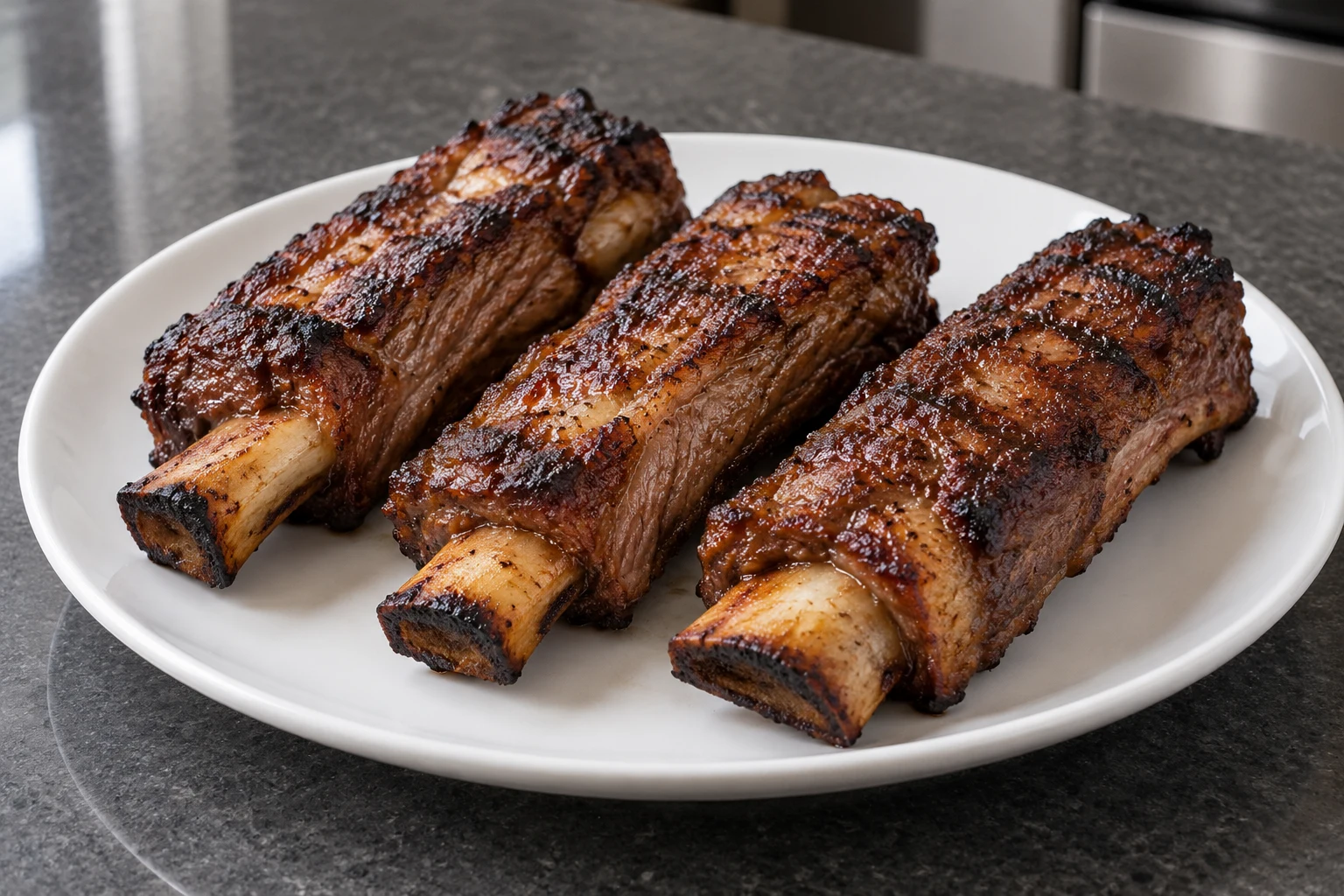
All of these tests are really reading the same thing: whether the collagen holding the rack together has turned soft. That conversion depends on temperature and time working on however much connective tissue a particular rack happens to have, and none of those variables are the same from rack to rack. Ribs are safe long before they are good, the same way other tough cuts are; the USDA considers pork safe at 145°F, but ribs are not tender until they climb far higher, up where the connective tissue finally gives. A timer cannot see any of that. Your hands and eyes can.
Trust the rack
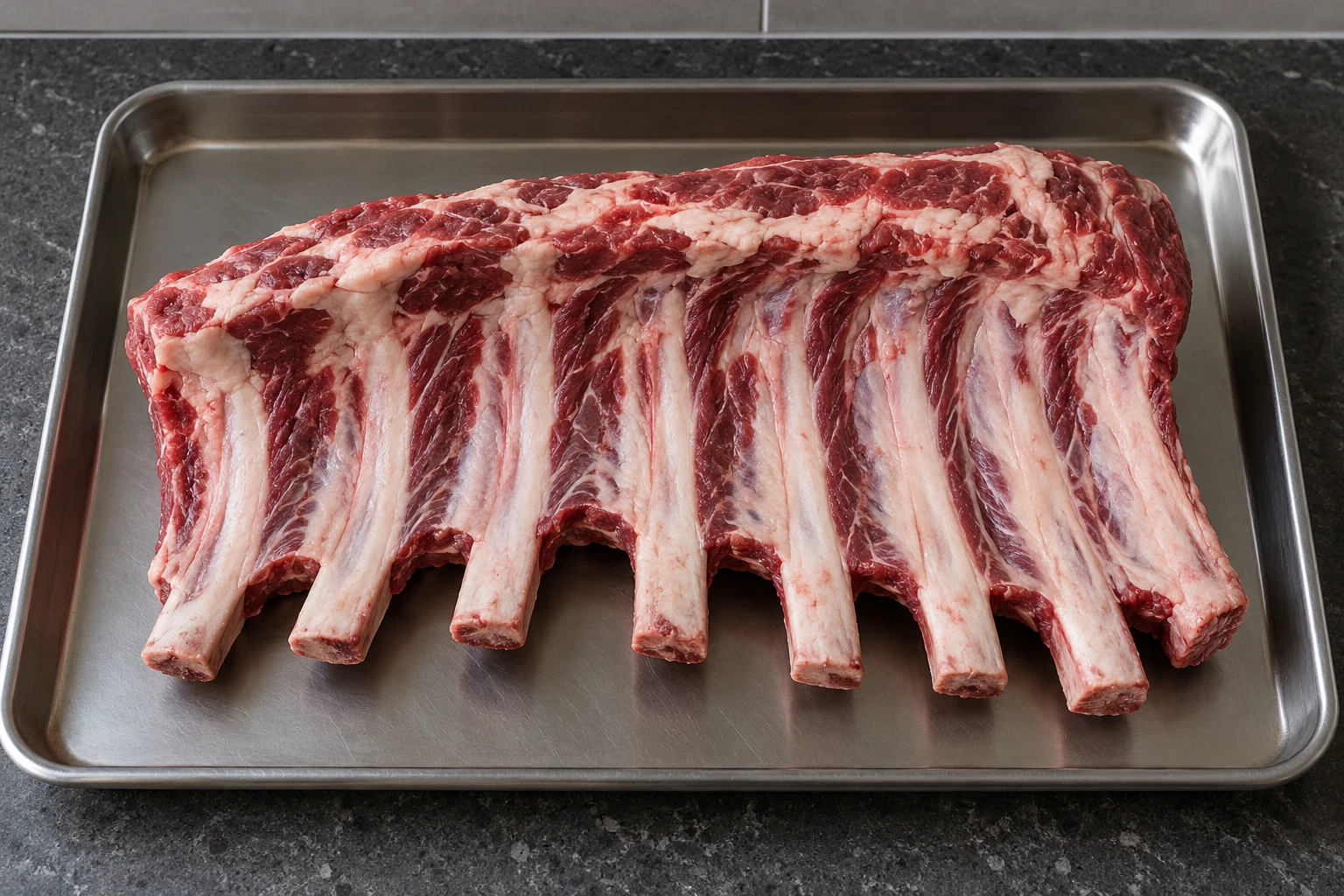
Use a recipe’s time as a rough window, then start checking. Bend the rack, probe between the bones, twist one and see if it turns. When two or three of those line up, the ribs are ready, whatever the clock says. Pull them by the tells, not the timer, and you will stop serving ribs that are either tight and chewy or fallen to mush.
The 145°F safe minimum for pork is USDA Food Safety and Inspection Service guidance. The higher temperatures ribs reach for tenderness are about texture, not safety, and the doneness tests here are standard practice rather than a tested recipe.