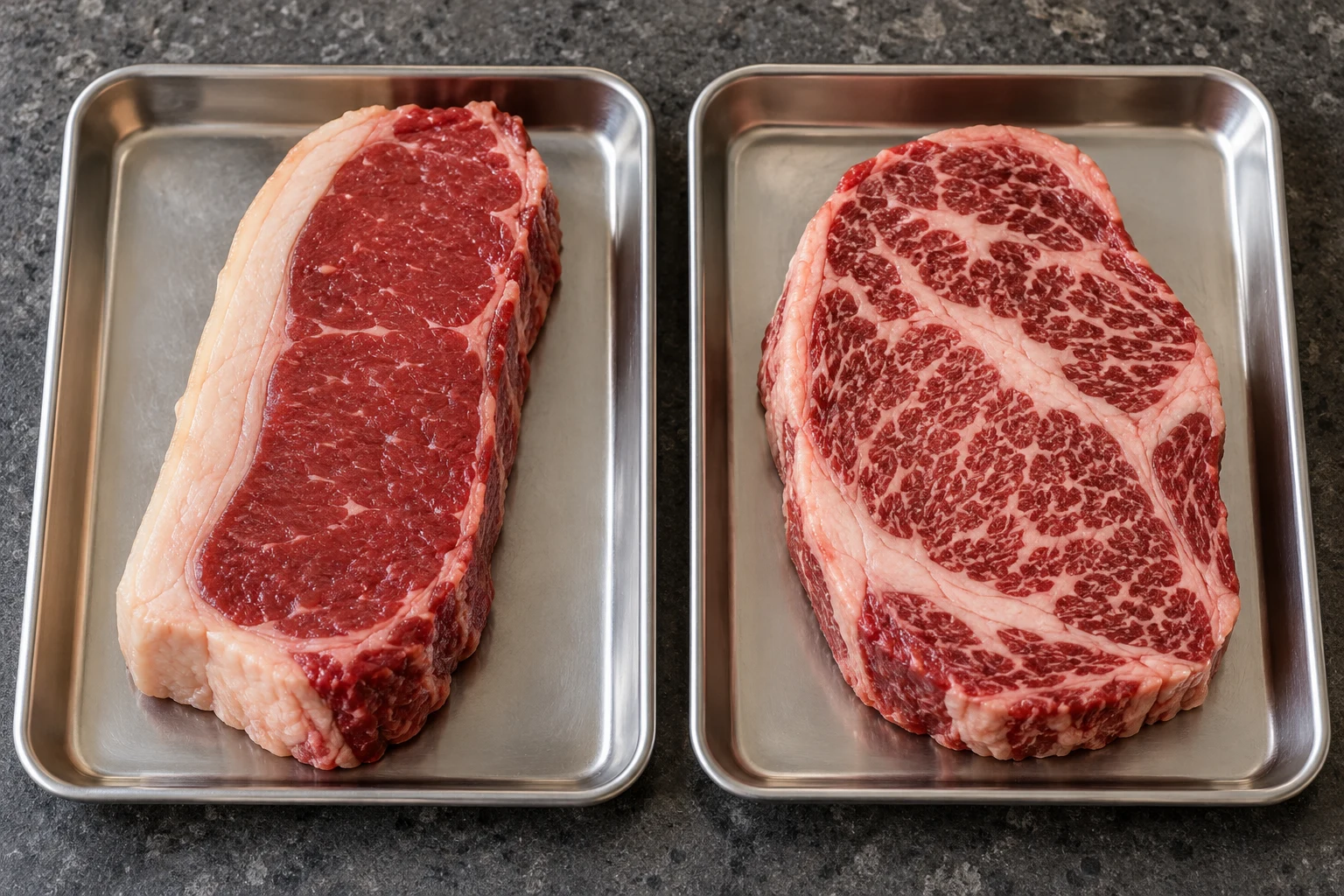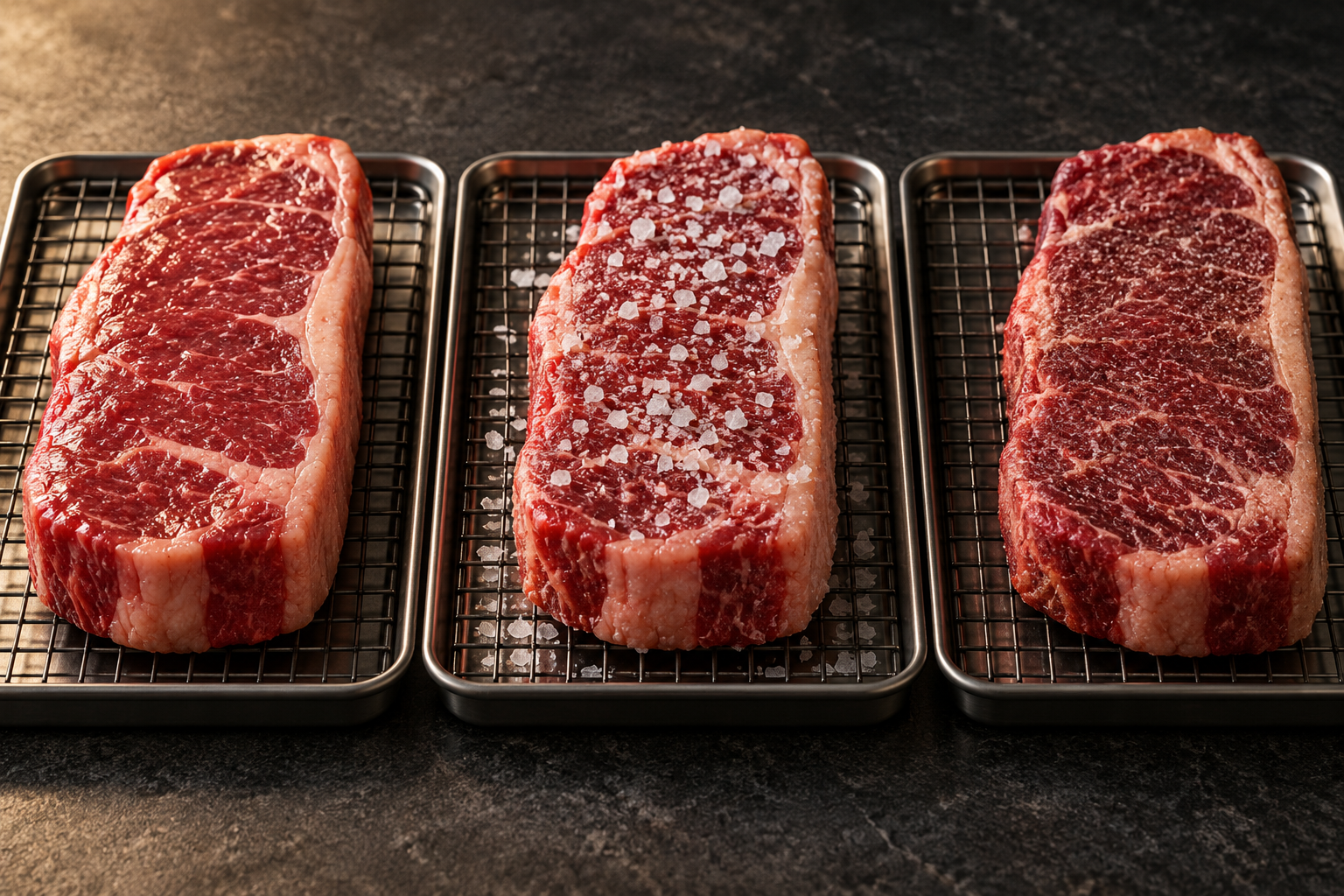
The biggest upgrade to how meat tastes is often not more salt. It is earlier salt. Most last-minute seasoning stays close to the surface and can leave that surface damp at the exact moment it needs to be dry. Salting is really two decisions, how much and when, and the clock usually makes the larger difference.
What happens after the salt lands
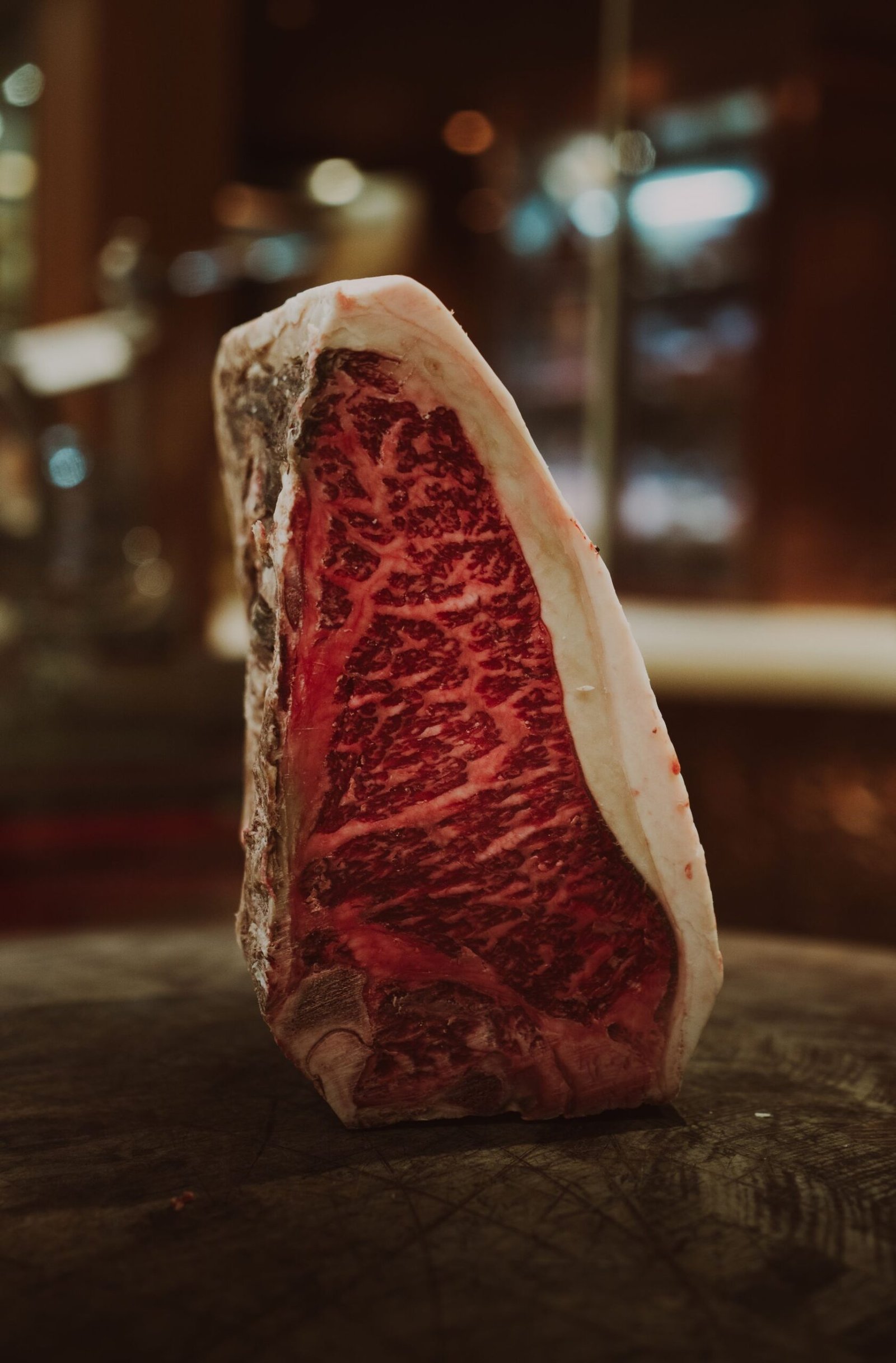
Salt first draws a little moisture from the meat. That moisture dissolves the crystals into a concentrated brine. Given enough time in the refrigerator, the seasoned liquid moves back into the meat instead of remaining as beads on the outside. The result is more even seasoning and, when the meat rests uncovered, a drier exterior that is better prepared for a hard brown crust.
Choose one useful timing window
| Time available | What to do | Why it works |
|---|---|---|
| Overnight | Salt and refrigerate uncovered on a rack | Deepest seasoning and the driest surface |
| One to several hours | Salt now and keep the meat cold | Enough time for surface moisture to be reabsorbed |
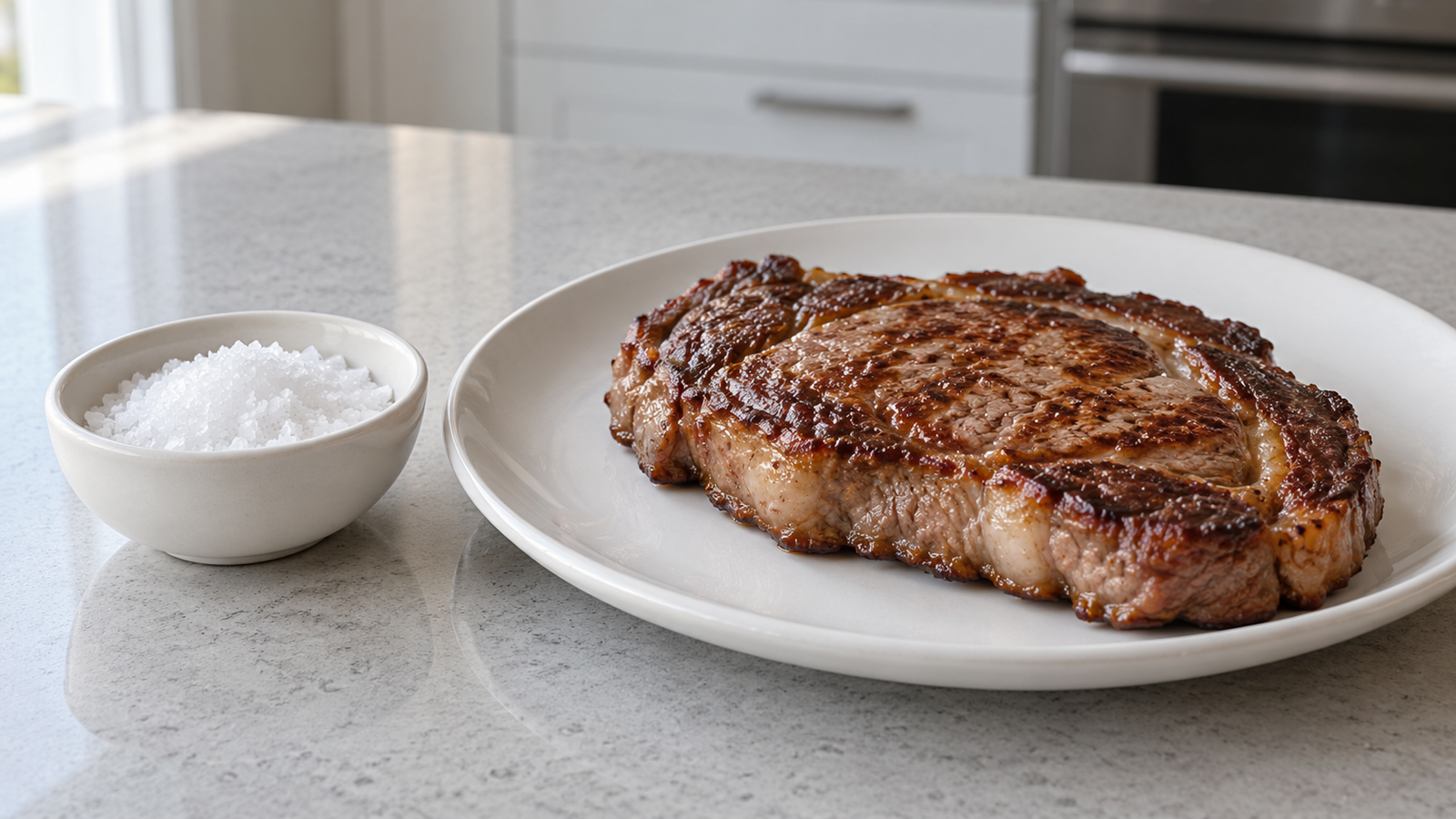
| Cooking immediately | Salt just before the meat meets the heat | The surface has little time to become wet |
| Five to thirty minutes | Wait, dry the surface, then cook | This is the awkward wet stage |
The middle window is the common trap. Salt has begun pulling water outward, but the liquid has not had time to move back in. If dinner cannot wait, blot the meat thoroughly before it reaches the pan. Do not add another layer of salt simply because the first one is no longer visible.
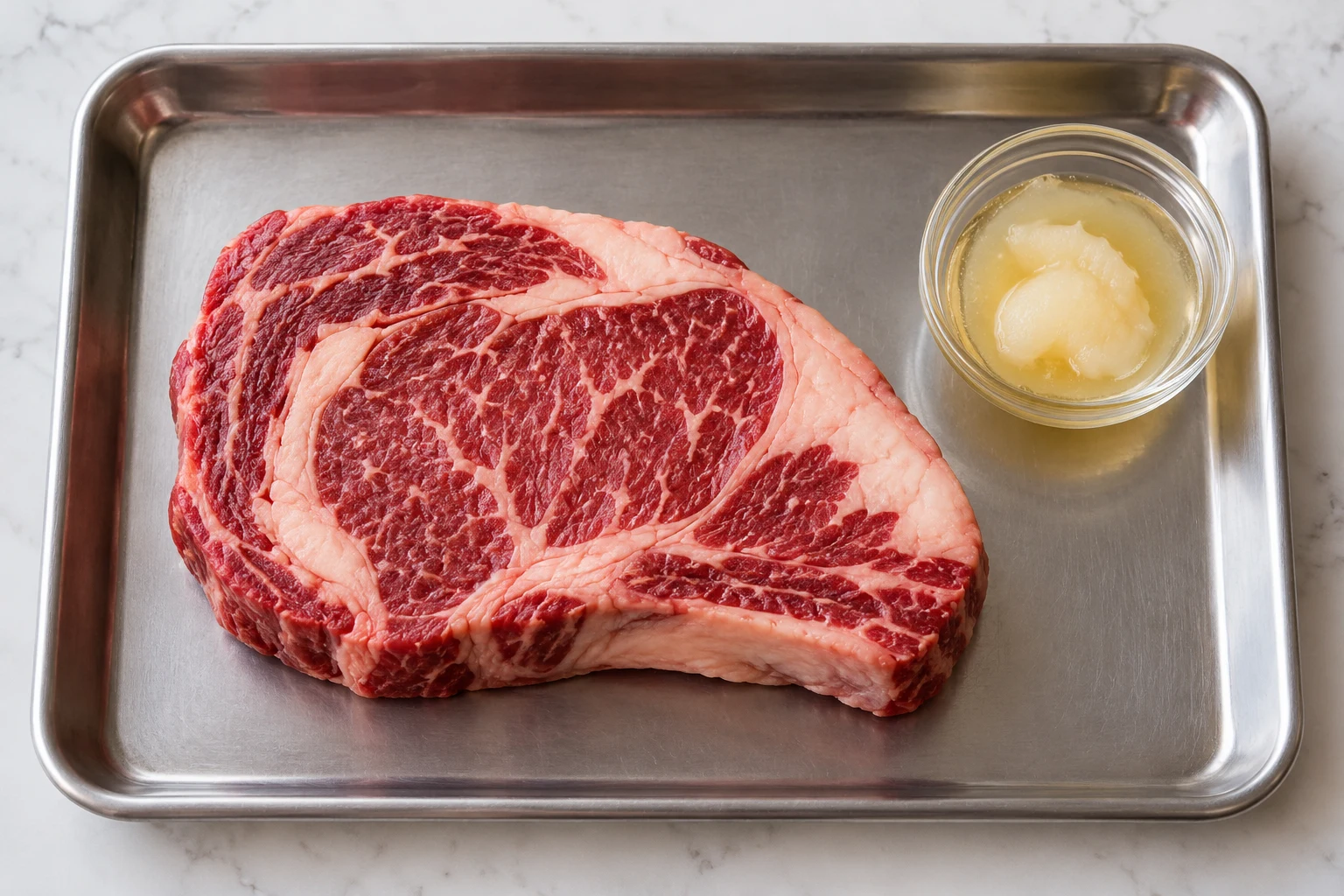
Match the hand to the cut
A thick roast has much more unseasoned interior than a thin chop. A steak can carry salt across two broad faces, while ground meat distributes it through every bite. That is why one dramatic “cover it until it looks right” rule cannot fit every piece of meat. Use a lighter hand on thin cuts and ground meat, then season thicker pieces evenly across all exposed surfaces.
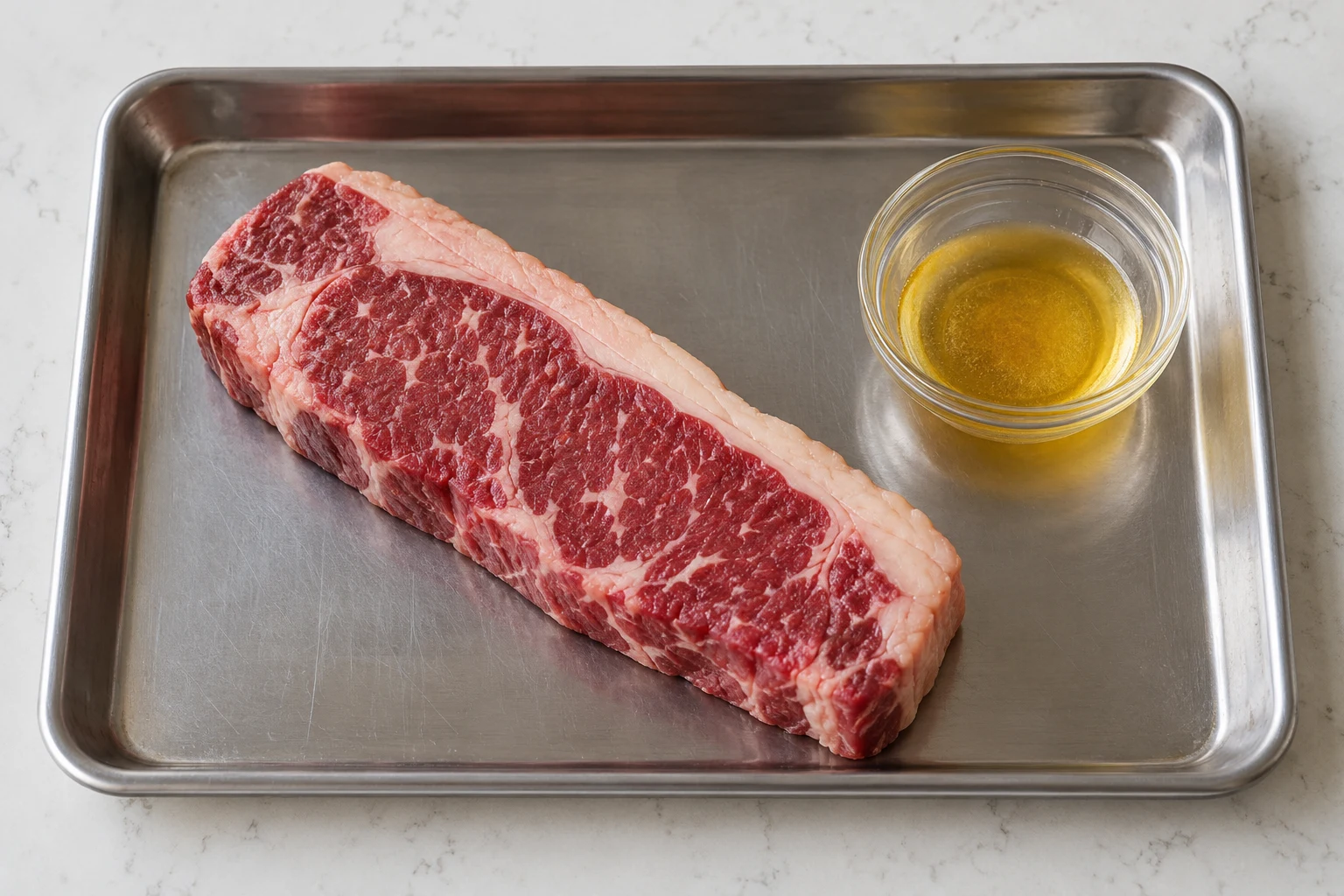
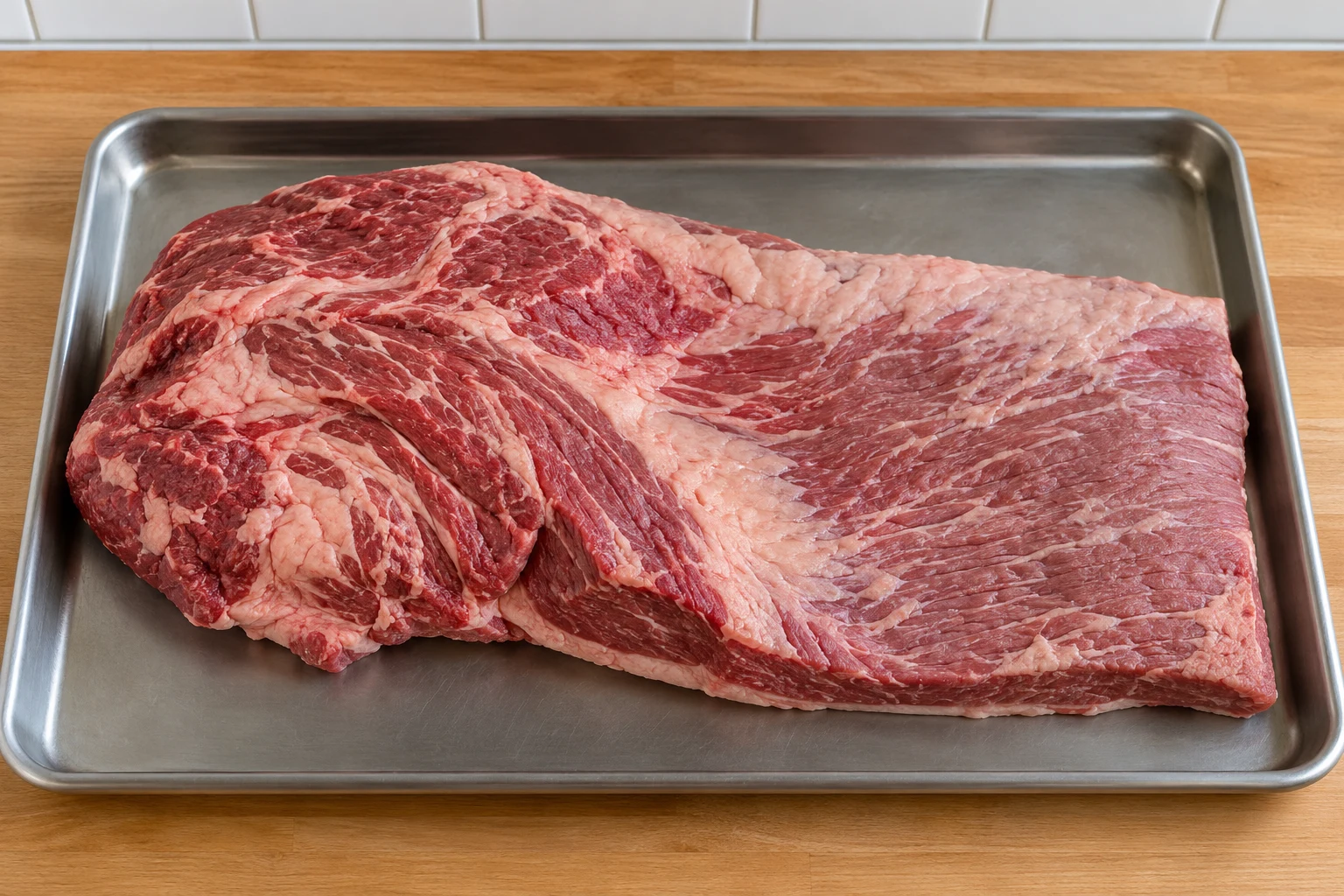
- Salt from a consistent height so the layer is even.
- Turn the meat and season every broad face, not only the presentation side.
- Use less on cured or pre-seasoned meat because salt is already present.
- Write down what worked for a repeat purchase instead of guessing again.
Build the habit before the recipe
Salt the next meal when you put away the groceries, or do it before bed. Set the meat on a rack over a tray and leave room for cold air to move around it. The following day, the outside should look dry rather than slick. Pat away any remaining moisture, then cook without adding an automatic second dose.
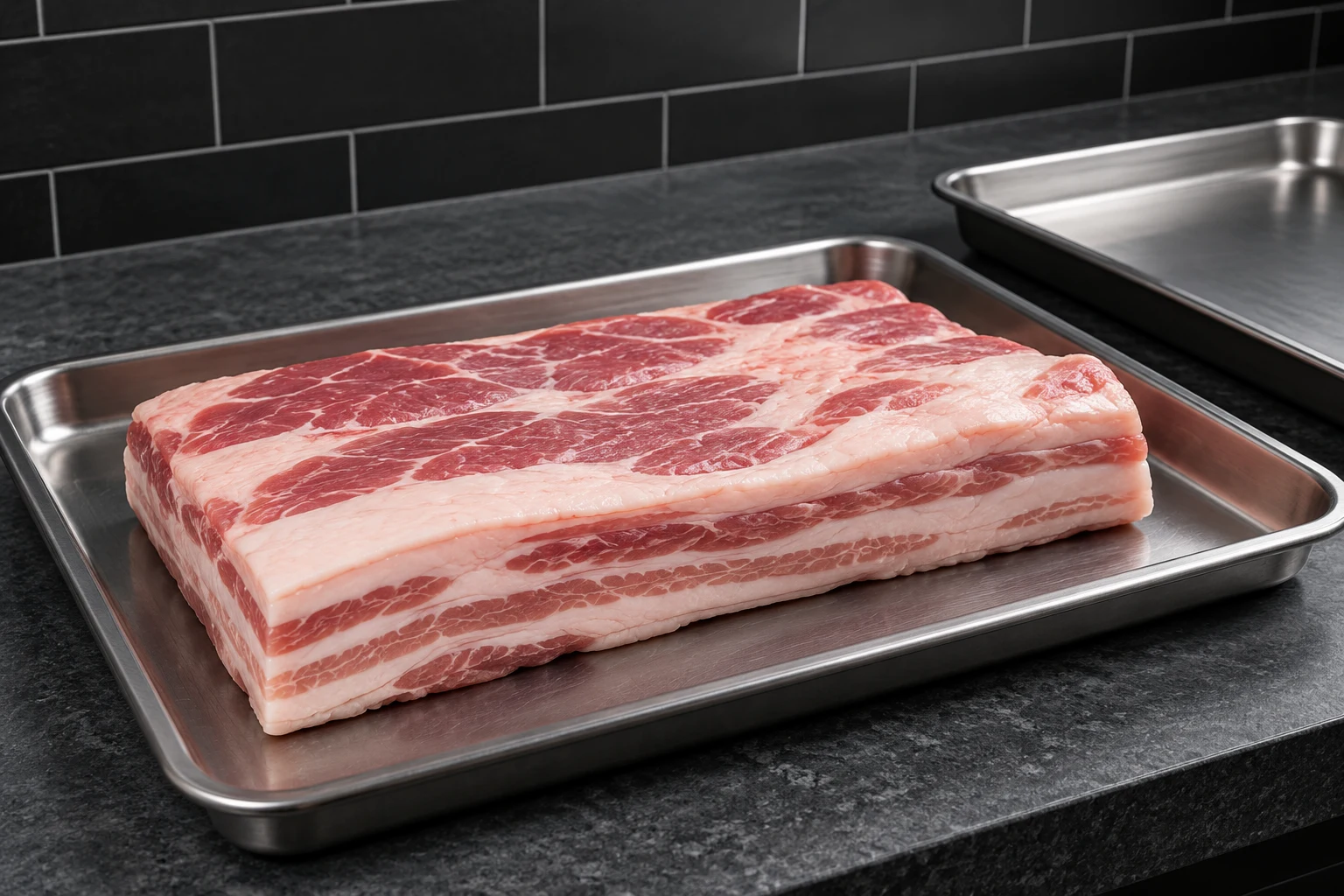
If you forgot, nothing is ruined. Dry the meat, salt it, and move directly to the heat. The useful rule is simple: salt well ahead or immediately before cooking. Once that timing becomes automatic, seasoning gets more even and browning gets easier without adding a single unrelated ingredient. The clock becomes a quiet part of the cooking method.