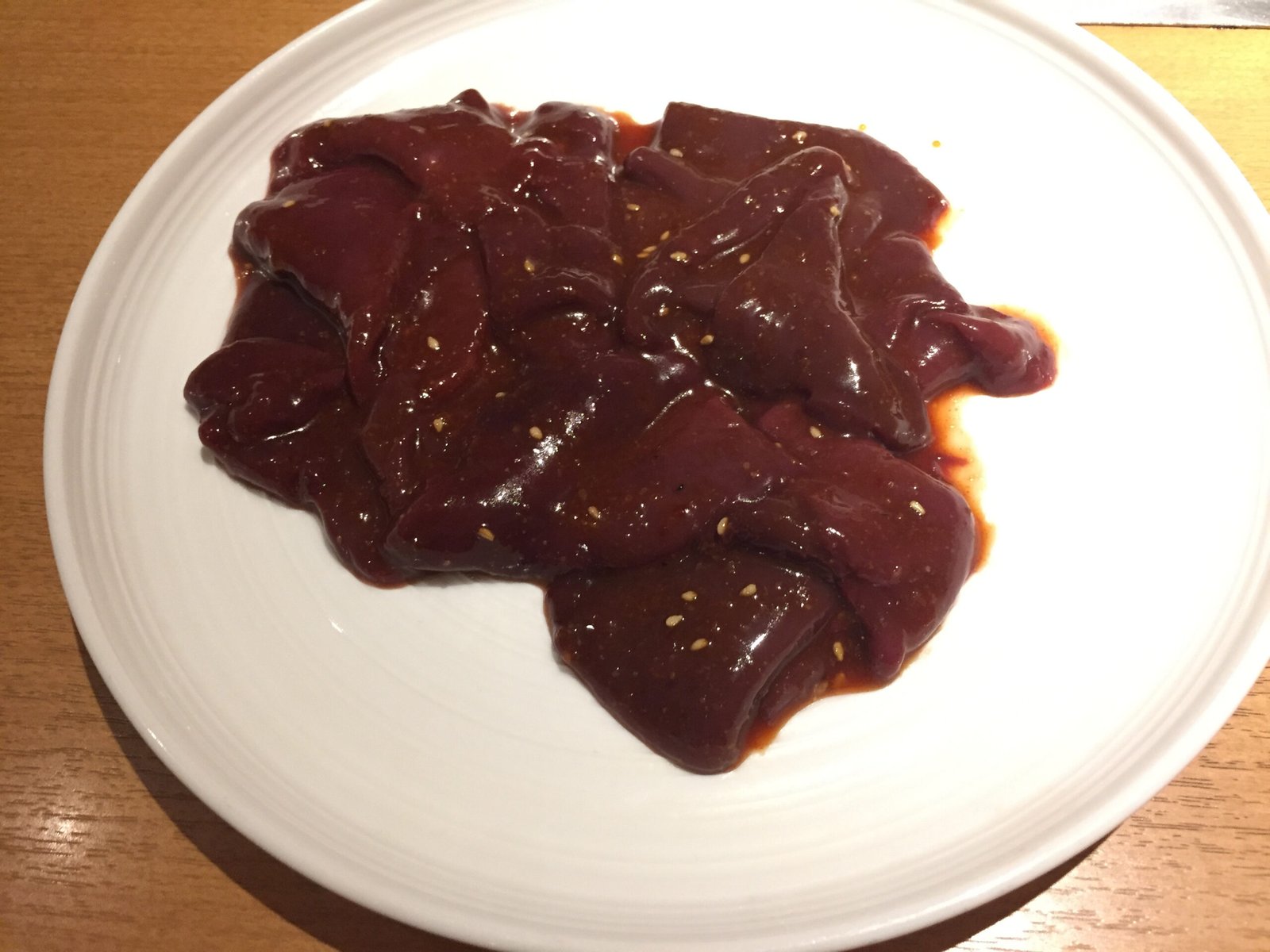
Most people who say they hate liver have only ever eaten it ruined. Grey all the way through, cooked until it turned chalky and metallic, served without anything to balance it. Beef liver is cheap, quick, and genuinely good when it is handled with a little care, and almost everything that makes it unpleasant comes from two avoidable errors: skipping the soak, and cooking it too long. Fix those and it becomes a fast weeknight thing rather than a childhood grievance.
The short method
Slice the liver thin, no more than about half an inch, and soak the slices in milk for anywhere from twenty minutes to a couple of hours in the fridge. Drain and pat them completely dry, then season with salt and pepper. Get a heavy pan properly hot with a little fat, and lay the slices in without crowding. Sear one to two minutes a side, until browned outside and just barely cooked through, then take them out. Onions cooked slow and sweet in the same pan while the liver soaks are the traditional partner, and they are traditional because they work. That is the whole thing.
Why the milk soak matters
The soak is the step people skip and then regret. Milk draws out some of the blood and the sharp, mineral bitterness that raw liver carries, mellowing the flavor without stripping it. Twenty minutes helps; an hour or two helps more. You do not need to do anything to the milk, and you do not keep it afterward; it has done its job pulling the harshness out. If liver has ever tasted aggressively iron-heavy to you, this single step is most of the fix.
Why thin slices and a hot pan
Liver has a narrow window between raw and overcooked, and thin slices plus high heat are how you stay inside it. A thin piece browns on the surface before the center has time to go past done, which is exactly what you want. A thick slab, or a cooler pan, leaves the liver sitting in the heat long enough to tip over into that grainy, chalky texture that gives the whole thing its bad reputation. Dry slices are part of this too: surface moisture steams instead of sears, so patting them dry after the soak is not optional if you want real color.
The line you are cooking to
Pull the liver the moment it is just cooked through, still faintly rosy at the very center as it rests, firm but not hard to the touch. Every extra thirty seconds past that point costs you texture and pushes the flavor toward the metallic. Liver keeps cooking briefly after it leaves the pan, so err on the side of taking it out a touch early rather than a touch late. Overcooked liver cannot be walked back; underdone liver just needs another moment.
A low-stakes way in
If you are unsure whether liver is for you, start small and cheap: a single portion, well soaked, thinly sliced, hot and fast, with a pile of sweet onions and something acidic on the side. Cooked that way, it is tender, savory, and nothing like the version most people are carrying in their memory. Judge it on that plate, not on the one you were served as a kid.
This is a description of standard technique and the reasoning behind it, not a tested recipe. Cook organ meats until done to your satisfaction and follow general food-safety practice for handling raw offal.