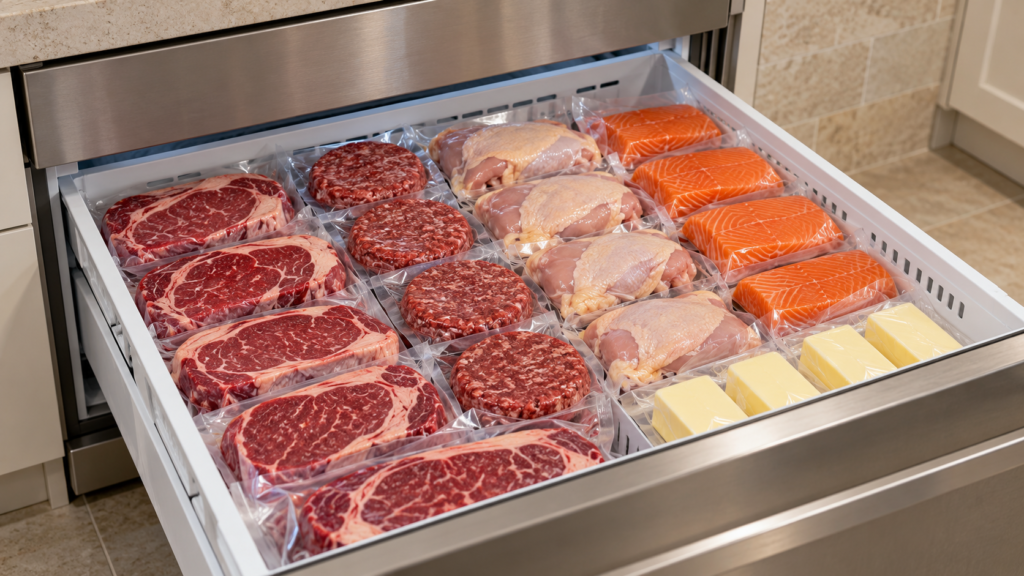
A freezer full of meat can still leave you with nothing to cook. The usual problem is not a shortage of food. It is a pile of anonymous packages: ground beef behind ribs, chops trapped under a roast, and several cuts that all require more thawing time than dinner allows. The answer is not buying a larger freezer or building a complicated inventory. It is giving every package one job before it goes cold.
A useful carnivore freezer should answer three questions in ten seconds: what is ready first, what needs thawing next, and what is being saved for a slower cook. When that information is visible, a freezer stops being long-term parking and becomes a quiet part of the weekly cooking system. This guide builds that system around meat, animal fat, stock, and the actual decisions that make dinner happen.
Build the freezer around cooking speed
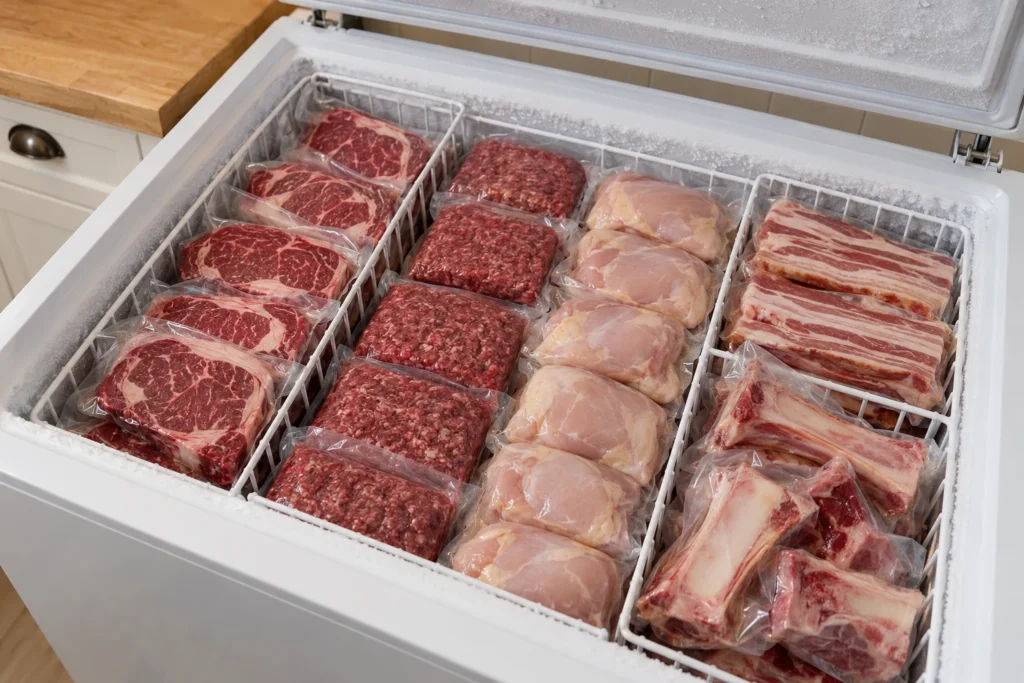
Start by sorting meat according to the amount of notice it needs, not according to the animal or the price on the package. A steak, thin chop, ground meat, and small chicken portion can become dinner with little planning. A shoulder, brisket-style cut, rack of ribs, whole bird, or large roast needs a different kind of day. If those two worlds live together without a system, the fast cuts disappear under the slow cuts and every meal becomes a thawing problem.
| Freezer zone | Keep here | What it solves |
|---|---|---|
| Cook tonight | Ground meat, thin steaks, chops, wings, small portions | Fast decisions when the day is already moving. |
| Thaw next | Thicker steaks, larger chicken portions, roast slices, cooked meat | A simple handoff to the refrigerator for tomorrow. |
| Plan a cook | Ribs, shoulders, whole birds, large roasts, marrow bones | Slow projects that deserve enough time and space. |
| Reserve | Stock, rendered fat, special cuts, deep backup portions | Stops the best pieces from being used by accident. |
The zones do not require bins with perfect labels. A shelf, one side of a drawer, or a row of upright packages is enough. The point is that fast meat stays reachable and long-cook meat stays intentional. If a freezer is small, divide the available space by function before you divide it by animal.
Portion meat before it becomes a frozen block
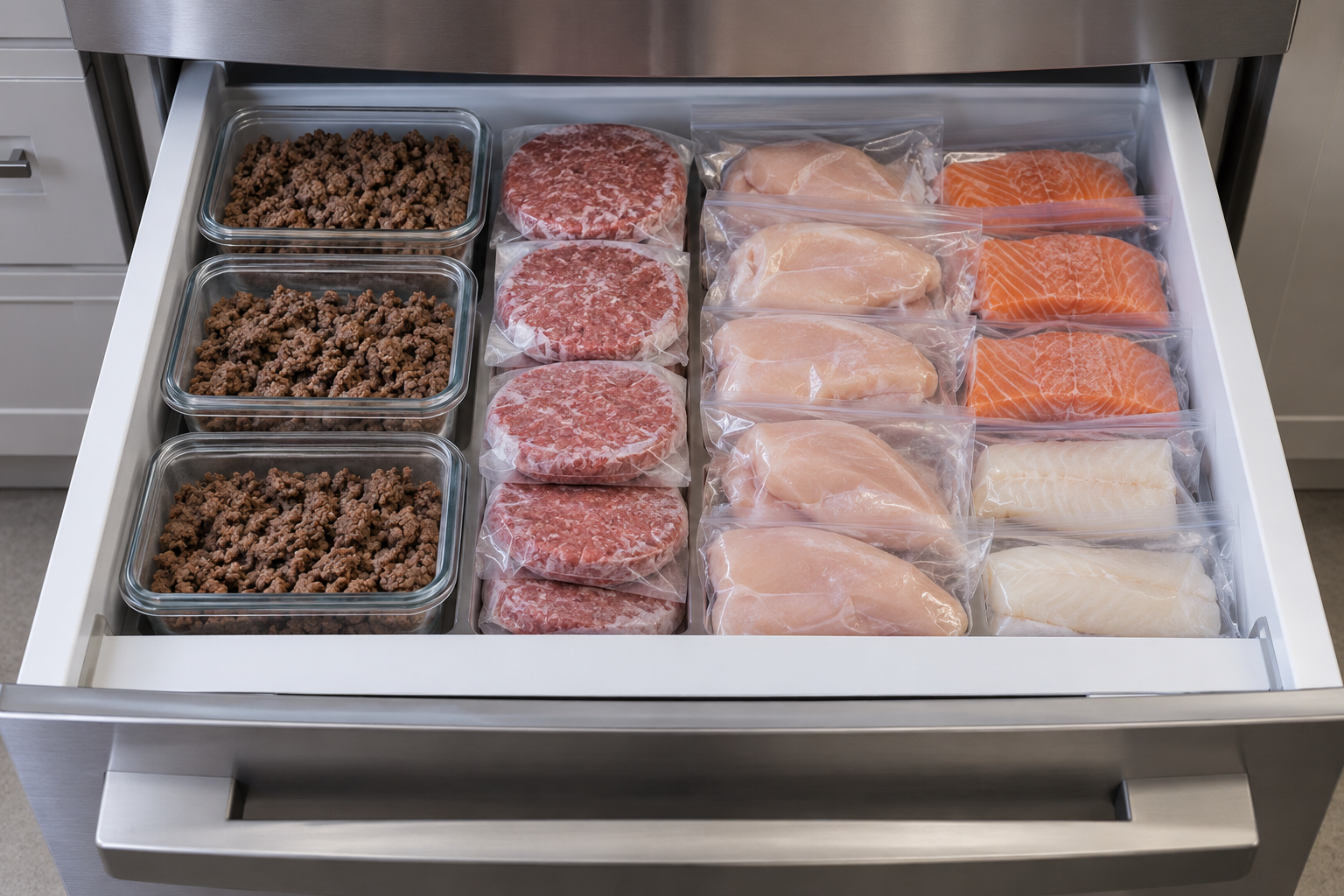
The least useful package is the one that contains far more meat than you want to cook and cannot be separated without thawing the whole thing. Portion bulk meat while it is still easy to handle. Pack ground meat in thin, flat squares. Separate steaks with freezer-safe material inside a larger package. Split chicken into the number of pieces you actually cook at once. Divide a large roast only when the cut and your cooking plans make that worthwhile.
- Ground meat: flatten it to an even thickness so it freezes quickly and can thaw predictably.
- Steaks and chops: pack one or two pieces per meal, not a stack that has to be thawed all together.
- Cooked meat: use portions sized for one reheat, with enough collected juices to protect the texture.
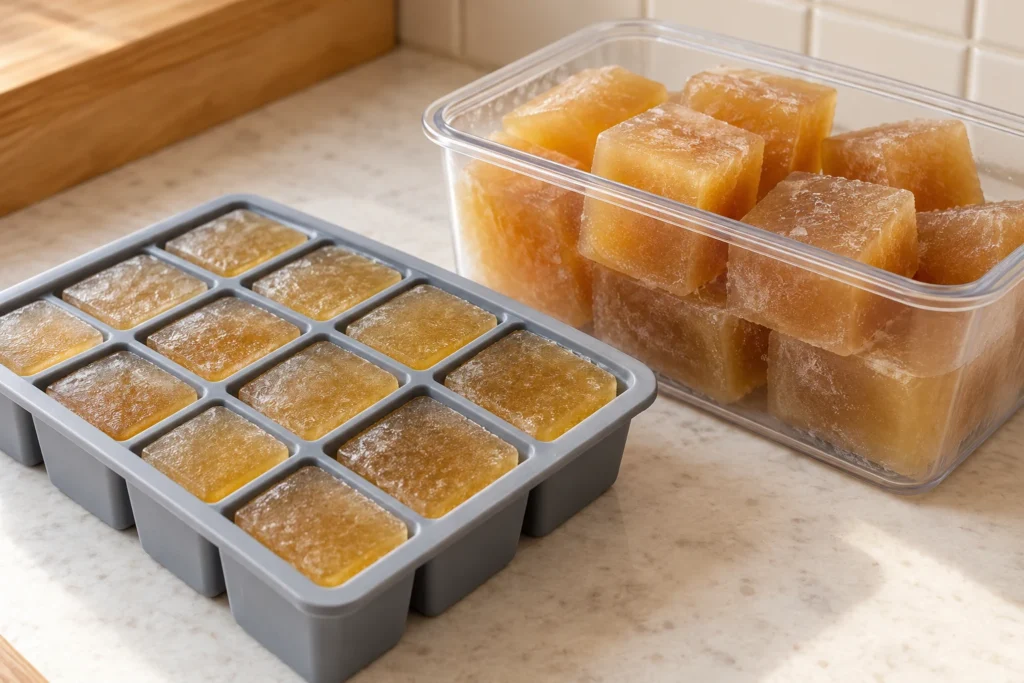
- Stock and drippings: freeze in modest amounts that can be used without committing to a giant container.
Flat packages also make the freezer easier to read. Stand them vertically like files after they freeze solid. You can see the labels, pull one package without lifting a frozen pile, and notice immediately when the fast-cook zone is running low. A little work on the purchase day removes the most annoying part of a meat-heavy week: having good food that is somehow unusable at six o’clock.

Use a label that earns its space
A label needs only four facts: cut, amount, date, and intended route. Write “beef chuck — 1.5 lb — Aug 8 — slow cook” or “cooked chicken — two portions — Aug 8 — reheat.” That last note matters. It tells the next version of you whether the package belongs in a pan, a low oven, a grill, or a patient cook.
Skip labels that try to record every detail. A long ingredient list or a sentimental description will not help when you are holding a package with cold hands. The label should be readable from the front of the freezer and useful before the package is opened. If you buy several similar cuts, add one distinguishing word: thin, thick, bone-in, cooked, or stock.
Keep one thaw queue, not a daily emergency
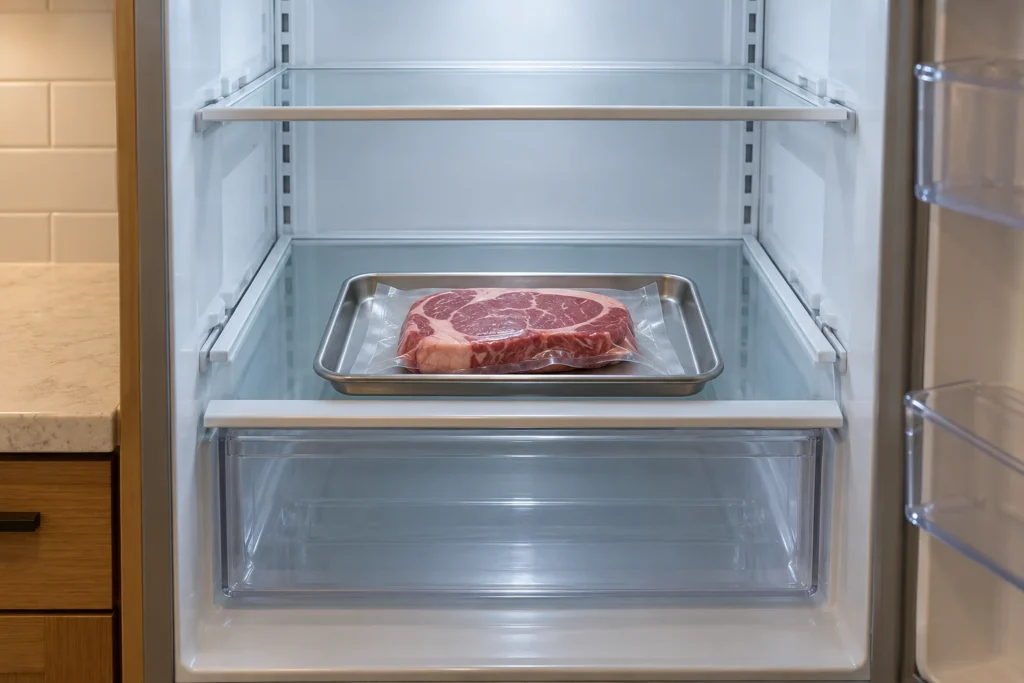
The refrigerator is the bridge between your freezer and dinner. Each evening, look at the next day and move one appropriate package from the thaw-next zone to a tray or shallow container in the refrigerator. That is the whole thaw queue. You do not need to plan every meal for a month. You need one reliable tomorrow.
For a thick steak or a small roast, that move may need more lead time. For ground meat or a thin chop, the window is shorter. The useful habit is checking early enough that the fast-cook zone remains a choice rather than a rescue. Keep the thawing package contained so its juices cannot travel, and cook it once it is properly thawed according to the cut and its handling guidance.
When plans change, do not treat the thaw queue as a failure. Cook the meat and store it as portions, or return it to the freezer only when it has thawed safely in the refrigerator and still looks like a good future meal. A flexible system is better than a rigid calendar because real schedules move.
Buy variety by texture and method
A carnivore freezer becomes boring when every package produces the same bite. The fix is not complicated recipes. It is buying across four texture lanes: quick-searing cuts, slow-cooking cuts, ground meat, and bone-rich or fat-rich pieces. A steak does a different job from a shoulder. Wings do a different job from ground beef. A small container of rendered fat can save a lean cut without turning the freezer into a collection of sauces and side dishes.
| Lane | Examples | Useful rhythm |
|---|---|---|
| Fast and browned | Steaks, chops, lamb chops, wings | Use when you want crust and a short cook. |
| Slow and rich | Chuck, shoulder, ribs, brisket-style cuts | Use on days when time can do the work. |
| Loose and versatile | Ground beef, ground lamb, ground pork | Use when you need a fast pan and flexible portioning. |
| Deep reserve | Stock, marrow bones, heart, liver, rendered fat | Use to change the texture or enrich a leaner meal. |
Keep one or two choices from each lane rather than accumulating every interesting package you see. The best freezer is not a museum of rare cuts. It is a small range of cuts you know how to cook well, stored in a way that puts the right one within reach.
Do a five-minute reset after every large cook
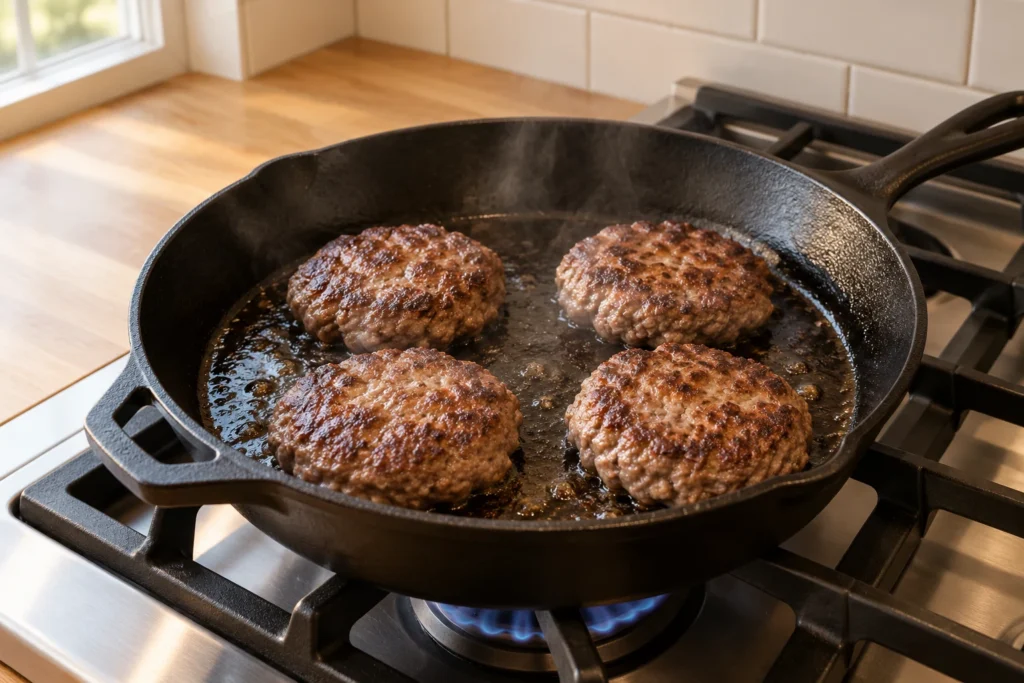
A long cook can either create several excellent meals or create one huge container nobody wants to face. After cooking a roast, chicken, ribs, or a pan of ground meat, make the decision immediately. Serve the first meal. Portion the rest. Put the next one or two meals in the refrigerator. Freeze the portions that will not be used in time. Label them while the cooking day is still clear in your mind.
This is how the freezer begins to work for you. Instead of only holding raw meat, it holds ready future meals with a clear finish line. A properly packed cooked portion can rescue a busy night without asking you to start over from raw meat.
Set a practical depth for each lane
There is no prize for owning forty dinners you cannot identify. Give each lane a simple depth target. Keep several fast portions for ordinary nights, one or two slow cuts for the next open cooking window, and a small reserve of ground meat or cooked portions for a schedule that changes without warning. When one lane drops low, replenish that lane rather than buying whatever looks impressive at the counter.
This stops duplication. You do not need five shoulders because they were on sale if the freezer already has three slow cooks waiting. You may need more fast portions if every weeknight starts with the same thawing scramble. The freezer becomes easier to shop for when the empty space has a name and a purpose.
The 30-minute setup
- Pull out every package and group it by cooking speed.
- Choose one place for cook tonight, thaw next, plan a cook, and reserve.
- Move the oldest useful packages to the front of their zone.
- Label any package that cannot answer cut, amount, date, and route at a glance.
- Set one package in the refrigerator for tomorrow before you close the door.
That is enough. A good freezer system does not need a spreadsheet to work. It needs visible food, honest portions, and one next decision. Build those into the freezer and the meat you already bought starts behaving like a plan.
Storage reference: Health Canada safe food storage guidance explains refrigerator and freezer temperature targets and storage windows. This article focuses on planning and organization rather than a tested recipe.
Visual steps